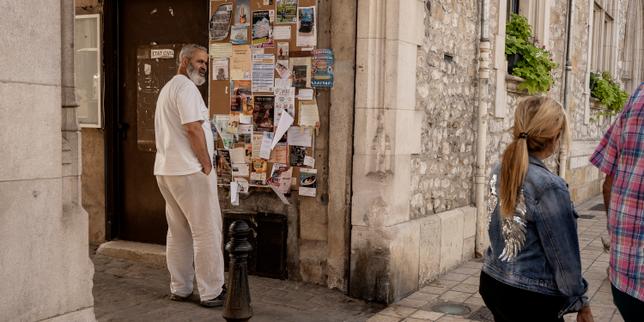
Walk through any market town in the eastern part of the Seine-et-Marne department, and you'll hear the same quiet realization on repeat. The traditional right-wing networks that once ran these rural hubs and suburban fringes like clockwork are losing their grip. Longstanding conservative strongholds, historically loyal to the RPR, UMP, and later Les Républicains, are watching their voter bases bleed out toward the Rassemblement National. It's not a sudden explosion overnight. It's a slow, grinding erosion that local mayors and party cadres have watched unfold ballot after ballot.
If you want to understand why France's traditional political architecture is crumbling outside the Paris ring road, look right here at the 77. This department mixes sprawling logistics hubs, agricultural flatlands, and commuter towns where residents feel utterly disconnected from decision-makers in Paris. When public services thin out and local commerce struggles, voter loyalty shifts fast.
The Anatomy of a Conservative Collapse
For decades, the political right enjoyed predictable dominance across these semi-rural constituencies. Mayors kept tight control of town halls through local associations, personal networks, and tangible municipal investments. Those days are gone. Local officials who spent their careers flying the flag of traditional gaullism now admit privately that they don't recognize their own electorates.
The numbers tell a clear story. During recent national and European elections, the RN carved deep routes through areas that used to deliver comfortable margins for center-right candidates. Voters aren't just registering a protest vote anymore; they're building a permanent electoral habit.
Why did this happen so fast? It comes down to a few hard realities:
- The Commuter Squeeze: Thousands of residents leave before dawn for grueling commutes into Paris, returning late to towns where local amenities are disappearing.
- The Security and Public Service Gap: Police stations close, local post offices vanish, and healthcare deserts expand. Every institutional retreat fuels a profound sense of abandonment.
- The Erosion of Local Mediation: Traditional party machines relied on community pillars who knew every family. As those generations retired, replacements failed to connect with younger, more precarious workers.
Life on the Ground in the 77
Spend an afternoon talking with local business owners in towns like Provins or Coulommiers, and you'll catch the fatigue. People feel squeezed between rising living costs and stagnant local wages. They look at the national political class and see a permanent disconnect.
When a factory closes or a bus line gets cut, nobody blames Paris abstractly anymore—they point straight at the ruling parties of the day. The traditional right failed to convince working-class families that their interests were protected in a globalized economy. Meanwhile, the populist right tailored a straightforward message focusing on purchasing power, security, and local identity. That message hits home when you're staring at an empty high street on a Saturday afternoon.
What Comes Next for the Traditional Right
The local conservative establishment is caught in a brutal trap. If they move further right to stop the bleeding of votes, they alienate moderate urban voters. If they stay put, their core base keeps defecting.
Rebuilding trust won't happen through slick campaign slogans or recycled party manifestos. It requires an honest reckoning with why millions of suburban and rural citizens feel like strangers in their own neighborhoods. Until traditional political actors address the fundamental economic insecurity driving voters away, districts across the Seine-et-Marne will keep rewriting the electoral map on their own terms.