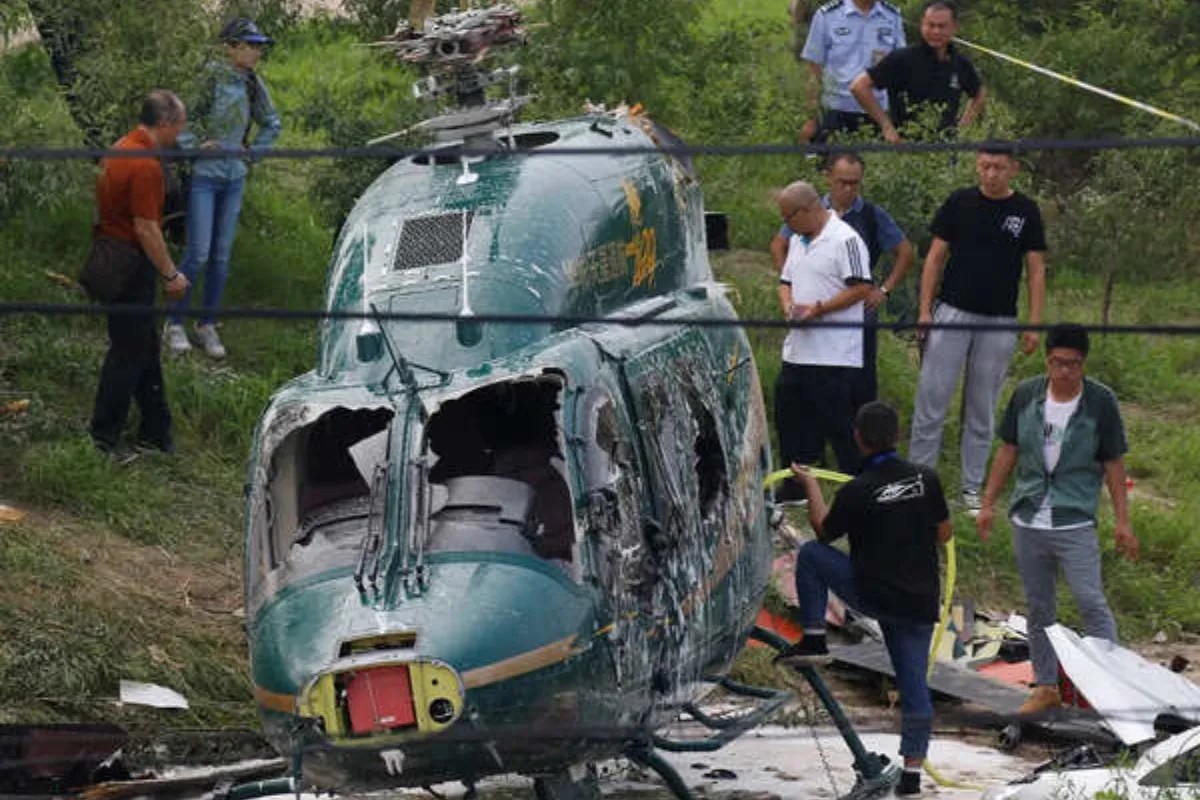
A mid-air crisis involving a Saudi Aramco aviation asset demands immediate scrutiny regarding safety protocols and mechanical oversight within the world's most valuable oil producer. While initial local reports point toward isolated mechanical failure or sudden atmospheric changes in the Gulf region, industry reality tells a more complicated story about high-utilization logistics. For an energy giant that relies heavily on a seamless rotorcraft network to ferry personnel across sprawling desert fields and offshore rigs, any hardware loss signals deep operational strain.
The immediate fallout goes beyond a single aviation incident. It exposes the fragile nature of industrial transport networks operating under relentless production pressure. When an oil supermajor pushes for maximum capacity, the support infrastructure—specifically the specialized aviation wings—bears the brunt of the load.
The High Pressure Logistics of Offshore Energy Support
Moving thousands of engineers, inspectors, and specialized technicians daily requires a military-grade schedule. Saudi Aramco operates one of the largest corporate fleets of helicopters globally, utilizing twin-engine aircraft engineered to handle extreme heat and corrosive maritime environments. These are not luxury transports; they are working buses flying through abrasive sandstorms and high-salinity air.
Airframes operating in the Persian Gulf face unique environmental degradation. Fine particulate sand enters turbine engines, accelerating compressor blade erosion despite advanced filtration setups. At the same time, high humidity combined with ambient salt speeds up galvanic corrosion on aluminum and composite interfaces. Maintenance teams fight a constant war against geography. When scheduling windows tighten to meet production quotas, the margin for error in scheduled preventative maintenance drops significantly.
The True Cost of Downtime on Offshore Platforms
Offshore platforms operate on razor-thin chronological margins. A delay in transporting a single specialist to an offshore platform can stall a drilling operation, costing hundreds of thousands of dollars per hour. This economic pressure trickles down directly to the hangar floor.
Aviation managers face a permanent dilemma. They must balance the absolute mandate of flight safety against the relentless demands of the extraction schedule. When a component shows borderline wear, the temptation to clear the aircraft for "one more run" before a full overhaul increases dramatically when a multi-million-dollar extraction operation hangs in the balance.
Beyond the Official Mechanical Failure Narrative
Early official statements almost always cite sudden mechanical anomalies or unforecasted weather shifts. This explanation is convenient, clean, and rarely tells the whole story. Modern commercial-grade helicopters utilized in corporate energy fleets feature redundant hydraulic lines, dual engine configurations, and sophisticated automated flight control systems designed precisely to prevent single-point failures from becoming catastrophic events.
To understand a total hull loss, investigators must look past the broken component and examine the systemic chain of events leading to the failure.
- Supply Chain Backlogs: The global aerospace supply chain remains deeply fractured. Parts that used to take forty-eight hours to arrive at a hangar in Dhahran now take weeks, forcing fleet operators to manage tight components near their absolute life limits.
- Pilot Fatigue Overlooked: Corporate shuttle routes are notoriously repetitive. Flying back and forth between desert airstrips and offshore pads multiple times a day creates a distinct brand of cognitive fatigue that slows reaction times during sudden emergencies.
- Aviation Subcontracting Pressures: While Aramco maintains a core internal fleet, a growing reliance on third-party wet-lease agreements introduces highly variable maintenance cultures into the broader operational mix.
The Blind Spots in Modern Flight Data Tracking
Telemetry systems track engine parameters, rotor RPM, and structural stress loads in real-time. Yet, data streams frequently fail to capture the subtle cultural shifts inside a maintenance hangar or cockpit. A culture that subtly discourages pilots from writing up minor discrepancies because it disrupts the flight line will never show up on a digital maintenance log until it is too late. The real risk lies in the unrecorded compromises.
The Structural Reality of Corporate Oversight
National oil companies occupy a unique space where corporate governance intersects with state priority. Every flight hour logged by the aviation wing directly correlates with national economic output. This reality alters how internal investigations operate compared to independent civil aviation authorities.
When an incident occurs within a closed state corporate ecosystem, the flow of granular technical data to international safety bodies is tightly controlled. This lack of transparency can hinder broader industry learning. If global operators cannot analyze the specific metallurgy failures or flight control anomalies discovered in the sands of the Eastern Province, the global fleet remains vulnerable to the exact same failure modes.
Why Fleet Groundings Remake Regional Energy Logistics
A serious incident often forces a temporary or selective grounding of specific airframe types across the entire fleet. If a specific class of medium-lift utility helicopter is benched for emergency inspections, the logistics network fractures immediately.
Alternative transport methods like marine crew boats are slow. Moving personnel by sea introduces entirely different safety hazards, including dangerous open-water transfers via basket lines in rough seas. The sudden shift in transit methods compromises efficiency and spreads operational risk to other transport sectors, proving that an aviation crisis is never contained strictly within the airspace.
The Immediate Mandate for External Audits
Relying on internal safety boards to diagnose systemic logistics failures creates an inherent conflict of interest. True operational resilience requires independent, third-party international aviation experts to evaluate not just the wreckage, but the entire corporate operational culture from the top down.
Hangar management systems must be decoupled from production targets. Maintenance directors require absolute, unappealable authority to ground any aircraft showing minor telemetry anomalies, completely free from the threat of corporate blowback regarding missed oil production metrics. Until safety metrics are weighted entirely separate from corporate profitability indexes, the systemic pressures driving logistics networks toward their physical limits will remain active beneath the surface. The mechanics on the ground know this reality intimately, and the data eventually reflects it.