The sea does not care about borders. It only knows depth, current, and the relentless, rhythmic pulse of the tide. But on a Tuesday afternoon, miles off the coast, the horizon looks different. It is heavy.
Elias, a captain who has spent thirty years navigating the thin margins between international waters and sovereign claims, watches the radar screen. It is an old habit, a twitch in his left eye that activates whenever the signal changes character. Usually, the screen is a constellation of friendly blips—trawlers, tankers, the slow, predictable heartbeat of global commerce. Today, the screen is screaming.
The diplomats in rooms with thick carpet and hushed voices have stopped talking. They sat for weeks, their pens hovering over agreements that never quite materialized, their words drifting into the ether like smoke. Now, the talking is over. The United States government has signaled its intent to choke off the lifeblood of Iranian port access, turning the high seas into a wall of steel.
For a man like Elias, this is not a headline. It is a logistical nightmare with human consequences.
Imagine a ship named the Seraphina. She is a container vessel, a leviathan of rust and ambition, currently sitting low in the water. Her hold is filled with the mundane—electronics, car parts, seasonal fabric—the kind of goods that keep city shelves stocked and businesses afloat. Elias knows the crew. He knows the cook, who makes a coffee so bitter it could wake the dead, and the deckhands who hum songs from home while chipping away at the constant encroachment of salt. They are not combatants. They are simply workers, caught in the friction between two superpowers that have forgotten how to listen.
When the order comes down, the sea becomes a different place. The freedom to roam, a concept we take for granted when we track our packages across the globe, vanishes.
This decision to block ships is a desperate move, a maneuver born from the failure of dialogue. It is what happens when patience is weaponized. When the talks collapsed—when the negotiators finally stood up from their tables and walked out, leaving nothing but cold coffee and signed-nothing documents—the calculus shifted. The stakes are no longer about policy. They are about the velocity of the world economy and the localized shockwaves that follow a sudden, absolute silence.
Consider the physics of the blockade. It is an invisible fence, erected not with wire, but with the threat of overwhelming force. It forces the captain of the Seraphina to make a choice: turn around, losing thousands of dollars and vital cargo, or press forward into a zone of immense, unpredictable risk.
I have stood on those decks. I know the feeling of the wind whipping across the bow, the overwhelming sense of isolation that hits you when you realize you are three hundred miles from the nearest friend and ten feet from a potential catastrophe. You begin to question everything. Was that shadow on the radar a trick of the light, or the prow of a cutter? Is the radio silence a malfunction, or an exclusion zone? Fear is not a panic; it is a cold, slow solidification of the marrow.
The official line from Washington is simple: national security. It sounds clean. It sounds responsible. But for the people on the water, national security translates into a terrifying game of chicken. If you are a freighter captain, you are the pawn. You are the piece being moved across a board where the players are miles away, insulated by geography and title.
History is littered with these moments. We see them whenever nations decide that the cost of communication is higher than the cost of confrontation. The blockade is the ultimate expression of the failure to find common ground. It is the diplomatic equivalent of a door slammed so hard the frame cracks.
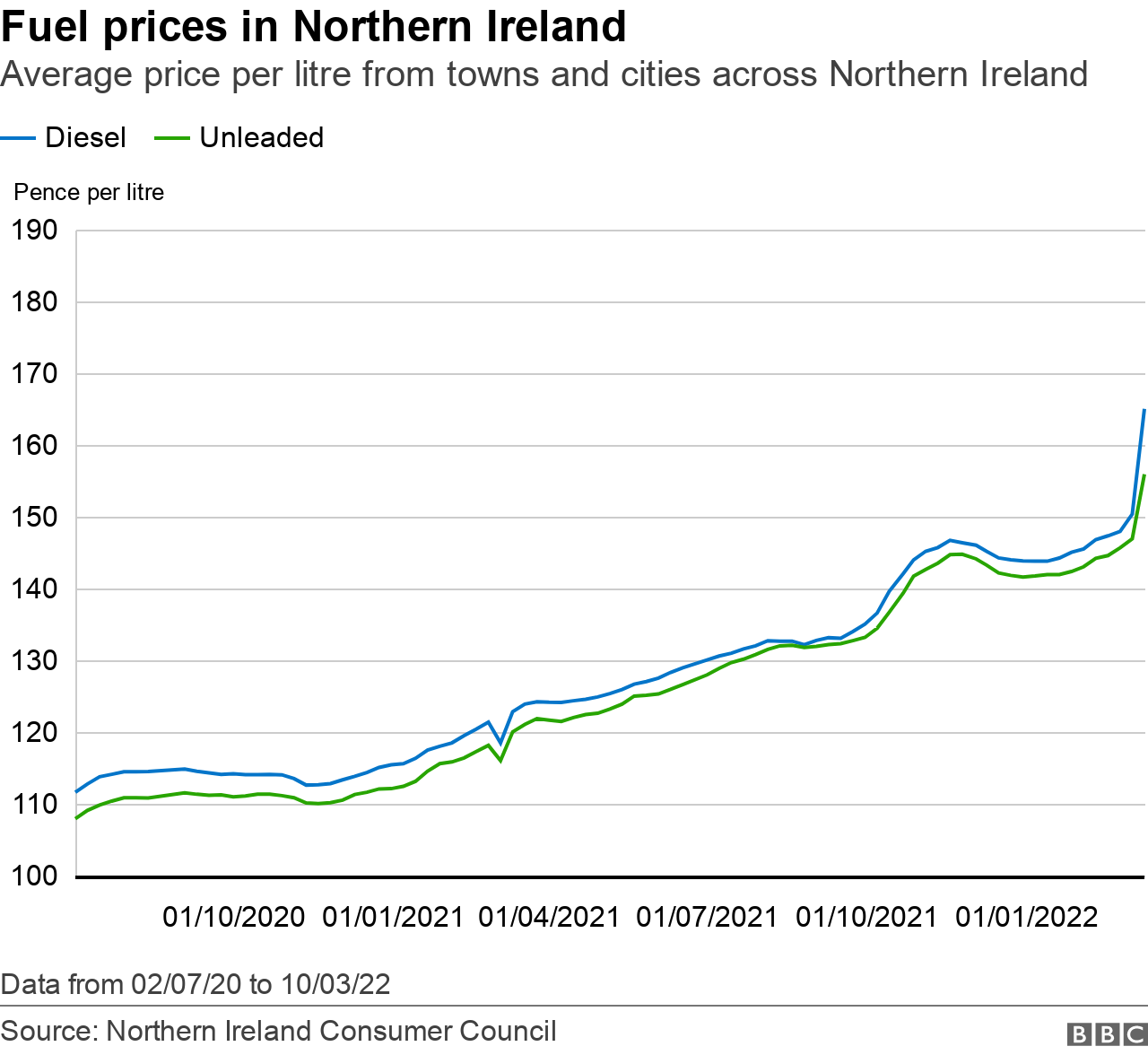
But the world does not stop because a port closes. Goods find new, more expensive, and more dangerous paths. The price of fuel climbs. Insurance premiums for vessels in the region skyrocket, a hidden tax on every consumer who thinks they are disconnected from these events. We are all passengers on the Seraphina, whether we realize it or not.
The reality of these sanctions is a web of unintended consequences. When you prevent a ship from docking, you are not just hurting a state-run entity. You are disrupting the supply chain for hospitals, for farmers, for families. You are creating a scarcity that hits the most vulnerable first. It is a blunt instrument used in a situation that demands a scalpel.
I remember watching a cargo vessel drift near the Strait of Hormuz, lights extinguished, trying to minimize its silhouette against the moonlit water. It was a ghost ship. It was trying to survive in a region where the rules of engagement were rewritten every morning. That, to me, is the true cost of this diplomatic collapse. It is the erosion of the idea that the oceans are a shared space, a global highway that belongs to everyone and no one.
When the talks fail, the burden shifts to the individual. It falls on the captains who must navigate in the dark. It falls on the families waiting for the cargo to arrive. It falls on the people who have to reconcile the logic of the state with the reality of their own survival.
There is a strange, haunting beauty to the ocean at night. The stars are so bright they seem to vibrate, and the water is a flat, infinite expanse of obsidian. In that silence, the political maneuvers in distant capitals feel like nothing more than whispers in a hurricane. But the tension is real. The threat of steel against hull is a physical weight.
We are drifting into a time where the bridges are being burned, one by one. The blockade is just the latest fire. And as the smoke rises, obscuring the horizon for men like Elias, we have to wonder what happens when the sea is no longer a place of transit, but a barrier.
The radar pings again. The Seraphina alters course. Another turn, another day of burning fuel in a holding pattern, waiting for a signal that may never come. The ocean continues its ancient, indifferent work, indifferent to the lines we draw upon its surface, even as we stake our lives on them. The water is deep, the night is long, and for those out on the swell, the silence is the loudest thing of all.