You can buy an arsonist for three thousand pounds in crypto. That is the chilling takeaway from the Old Bailey case that just wrapped up in London. Two young men are heading to a British prison after setting fire to properties linked to Prime Minister Keir Starmer. They did not have a political grudge. They did not even know who owned the buildings. They were simply broke, desperate, and completely manipulated by a faceless handler on Telegram.
The details coming out of Counter Terrorism Policing London are wild. Roman Lavrynovych, a 22-year-old Ukrainian national living in Sydenham, got a sentence of seven years. His partner in the scheme, 27-year-old Romanian national Stanislav Carpiuc from Romford, got two years. They were hired by a mysterious Russian-speaking account using the handle El Money. The handler wanted things set on fire. He wanted it filmed. He wanted it on the news.
This isn't old-school espionage. It is low-cost, crowd-sourced chaos. Western intelligence agencies are struggling to map this out because it doesn't look like traditional state-sponsored subversion. It looks like a gig-economy transaction. If you can order a pizza on your phone, apparently you can order a firebombing too.
The Timeline of a Cheap Sabotage Campaign
The attacks happened over a few chaotic nights in May 2025. It started on May 8, when a Toyota Rav4 once owned by Starmer went up in flames in Kentish Town. That was just the warm-up act. On May 11, the front door of a north London property previously managed by Starmer was set alight. Residents were inside sleeping.
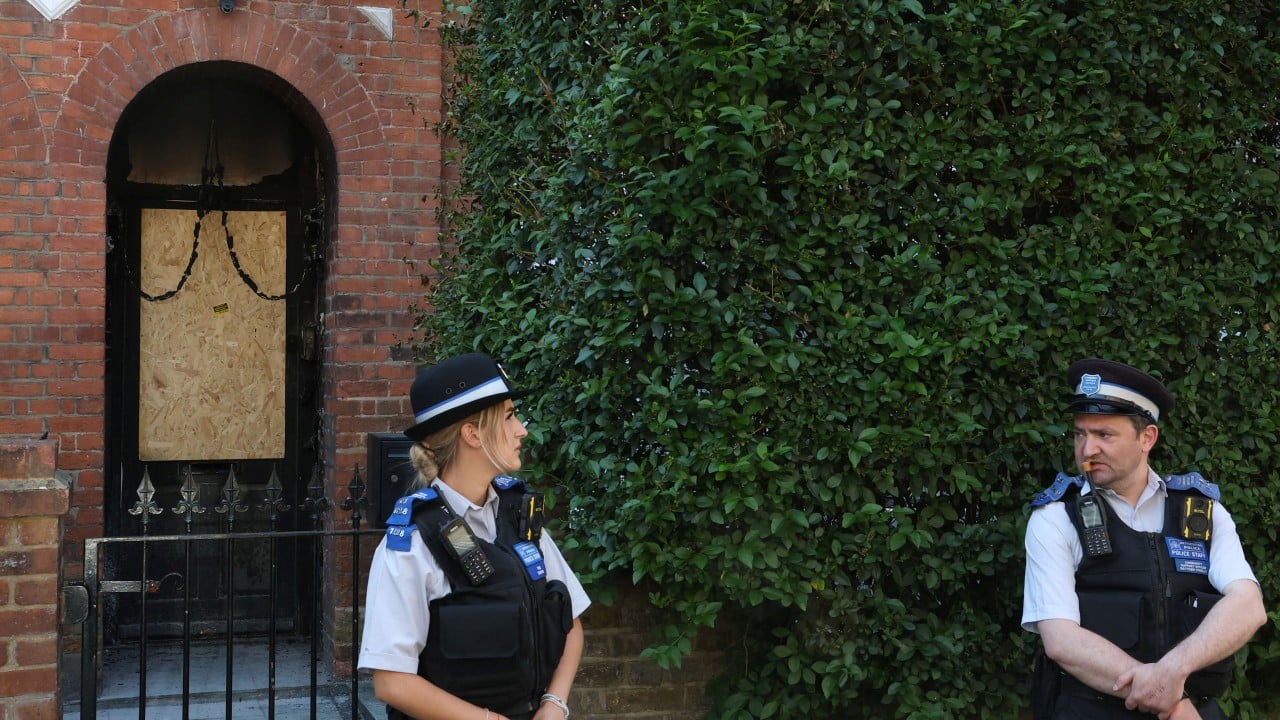
The most terrifying strike came in the early hours of May 12. A fire broke out at Starmer’s former home in Kentish Town. His sister-in-law and her family were living there at the time. Imagine waking up at midnight to your front door melting because some kid wanted a crypto payout.
Attack 1: May 8, 2025 – Toyota Rav4 torched in Kentish Town
Attack 2: May 11, 2025 – Front door targeted in North London
Attack 3: May 12, 2025 – Starmer's former family home set ablaze
The police caught them fast. Lavrynovych was arrested on May 13 at his home after detectives spotted him on CCTV. They found a petrol can with his DNA. They found his trainers stained with the white spirit used to start the fires. They even tracked down B&Q security footage of him buying the chemicals. Carpiuc was nabbed a few days later on May 17, sitting in the departure lounge at Luton Airport, waiting for a flight to Romania.
The Useful Idiots of the Digital World
Mr Justice Garnham didn't hold back during the televised sentencing at the Old Bailey. He called Lavrynovych a "useful idiot" who acted without question. The judge pointed out that Lavrynovych agreed to carry out a mindless piece of arson for money, proving he was easily bought. Lavrynovych claimed he didn't know the houses were occupied, but the judge threw that out. You only have to look at a London street to know people live there.
His defense lawyer, James Scobie KC, painted a sad picture of a complete footsoldier. He described his client as naive, gullible, and unthinking. The real tragedy here hits on a geopolitical level. Lavrynovych is Ukrainian. His home country is locked in a brutal war with Russia. Yet, here he was, taking orders from a Russian speaker to destabilize the capital of the country protecting his homeland.
Scobie talked about the immense shame Lavrynovych’s family feels back in Ukraine. He has to go back there one day. When he does, he will return to a nation that views him as a traitor who unwittingly helped the enemy.
Carpiuc was the money man. His lawyer, Shahid Rashid, argued that Carpiuc was just trying to realize the cryptocurrency. He claimed Carpiuc wasn't even keeping the money for himself. He wanted to help a friend secure cash for a father's medical treatment. Desperation makes people do stupid things, but helping a Russian asset burn down homes in London crosses a line that a two-year prison sentence barely covers.
How the Cyber Recruitment Trap Works
The mechanics of this plot show how modern foreign interference operates. Commander Helen Flanagan from Counter Terrorism Policing London highlighted this as a recurring trend. Anonymous online accounts promise big money for criminal acts.
The handler, El Money, sent over 320 messages to Lavrynovych on Telegram starting in September 2024. He spoke Russian, while the boys spoke Ukrainian. He offered £3,000 in cryptocurrency. The conditions were simple: set the fire, film it, and make sure it hits the media.
This tells us exactly what the Kremlin, or networks linked to it, actually want. They don't just want destruction. They want propaganda. They want Western societies to look unstable, unsafe, and fractured. By forcing these stories into the British press, they create panic.
The terrifying part is that the police found no evidence these guys knew they were hitting the Prime Minister's properties. They were just given addresses. It was blind, randomized chaos bought on the cheap. If the target can be the Prime Minister, it can be anyone.
The Real Threat of Digital Proxy Warfare
Keir Starmer commented on these types of operations during a G7 summit, noting that the UK deals with Russian proxy attacks every single day. The strategy shifts the risk away from state agents. Moscow doesn't need to send trained spies with fake passports to poison people anymore. They just find vulnerable, broke young men on encrypted apps.
This gig-worker model of terrorism gives the hostile state plausible deniability. Investigators admit that proving a direct link to the Kremlin is incredibly tough. That is why Lavrynovych was charged with reckless arson instead of treason or national security offenses. The legal system is built for traditional warfare, not decentralized digital manipulation.
We need to change how we think about online safety and recruitment. Young people looking for quick cash online are being targeted by sophisticated psychological operations. They think they are pulling off a minor insurance scam or a petty vandalism gig. In reality, they are tools for geopolitical subversion.
Protecting Yourself from Online Exploitation
You won't find these handlers using their real names. They hide behind generic wealth-themed avatars and handles like El Money. If you or anyone you know gets approached online with offers of fast cash for weird tasks, you need to recognize the red flags immediately.
- Vague Instructions with High Payouts: If someone offers thousands of dollars for simple tasks like filming a location, buying chemicals, or taking photos of infrastructure, it is a trap.
- Encrypted App Insistence: They will always try to move the conversation to Telegram, Signal, or WhatsApp, telling you to delete messages instantly.
- Cryptocurrency Exclusivity: If they refuse standard bank transfers and demand crypto wallets, they are hiding their tracks from international law enforcement.
The Met Police made it clear that these criminals rarely get paid what they are promised anyway. El Money told Lavrynovych to flee the UK right after the fires, leaving him to get caught by CCTV while the handler vanished into the digital ether.
This case should serve as a massive warning. The frontline of modern conflict isn't just a physical border thousands of miles away. It sits right in the palms of our hands, waiting in our chat feeds.