Russia is aggressively expanding its energy footprint in Southeast Asia to establish itself as a dominant "third power" capable of balancing United States and Chinese influence. By offering highly subsidized civilian nuclear technology, liquefied natural gas (LNG), and deep-market infrastructure investments, Moscow is positioning its state-owned monopolies like Rosatom and Zarubezhneft as indispensable partners for energy-starved developing economies. However, this strategic push faces deep structural obstacles. Western sanctions, severe maritime logistics bottlenecks, and fierce infrastructure competition from Beijing mean that Russia is more likely to remain an opportunistic alternative supplier than a true systemic counterweight in regional geopolitics.
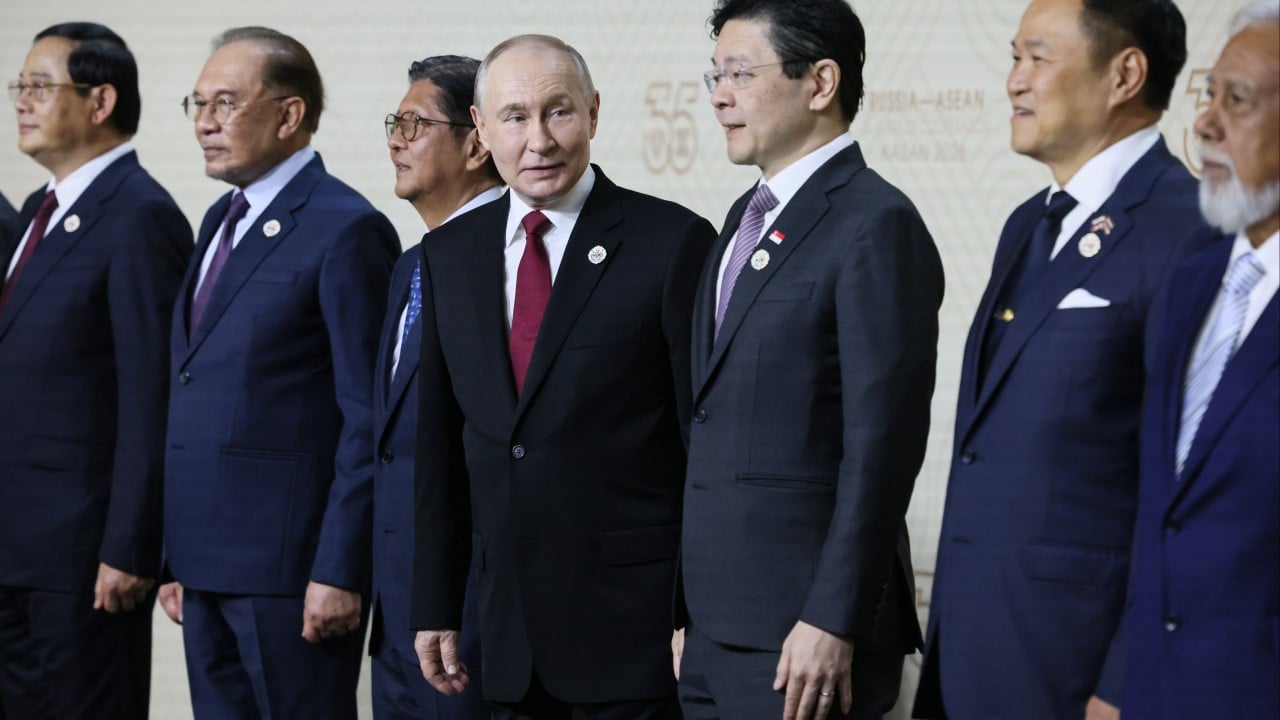
The recent flurry of high-level diplomacy tells part of the story. At the mid-June ASEAN-Russia Commemorative Summit in Kazan, Moscow secured a sweeping joint declaration pledging to turn energy cooperation into a strategic pillar. Behind the standard diplomatic language lies a concrete, commercial offensive driven by necessity. Cut off from traditional European markets, Moscow needs to anchor its hydrocarbons and engineering services in the world’s fastest-growing economic corridor. You might also find this similar coverage useful: The Fatal Error of Blaming Human Drivers for Rail Disasters.
The Nuclear Hook
The most significant element of this campaign is not oil, but atomic energy. While Western lenders have spent decades backing away from funding large-scale nuclear infrastructure due to political and environmental liabilities, Moscow has run in the opposite direction.
Rosatom has positioned itself as the only global entity providing a full-lifecycle package. It handles everything from uranium enrichment and reactor construction to lifelong waste disposal and regulatory training. Furthermore, the Russian state frequently finances up to 85 percent of these astronomical capital expenditures with low-interest, long-term state loans. As discussed in recent coverage by NBC News, the results are widespread.
For governments trying to balance explosive industrial demand with emission reduction targets, this package is incredibly appealing.
- Indonesia: Jakarta is moving toward a definitive agreement with Rosatom to construct a fleet of floating nuclear power plants (FNPPs). These mobile units, designed to generate 70 to 100 megawatts each, are perfectly suited for Indonesia’s archipelagic geography, offering power to isolated industrial hubs without requiring expansive, fragile mainland grids.
- Vietnam: Prime Minister Le Minh Hung recently revived the long-dormant Ninh Thuan 1 nuclear power plant initiative. Hanoi is prioritizing two massive Russian-designed reactors capable of feeding 2,400 megawatts directly into its manufacturing centers.
- Laos and Myanmar: Both nations have signed formal roadmaps with Rosatom, transitioning from academic research agreements to practical preparatory frameworks for small modular reactors (SMRs).
This creates an incredibly sticky, multi-decade dependency. A nation that buys a Russian reactor relies on Russian engineers, proprietary fuel rods, and specialized technical support for sixty to eighty years. It is the ultimate vehicle for long-term geopolitical leverage.
Hydrocarbon Realities and Sanctions Friction
Beyond the atom, Moscow is capitalizing on regional anxieties over volatile global energy markets. The shockwaves of recent international conflicts have sent crude prices fluctuating wildly, leaving energy-importing Southeast Asian states desperate for predictable, discounted supply. Indonesia, Malaysia, and Vietnam have openly expanded dialogue regarding Russian LNG and joint exploration blocks on Vietnam's continental shelf through Zarubezhneft.
Yet, this trade runs directly into the buzzsaw of international finance.
The Western-led sanctions regime on Russian banking makes large-scale energy transactions exceptionally difficult. While Moscow and certain ASEAN members have attempted to bypass the US dollar by shifting trade to local currencies or experimenting with alternative financial networks, the mechanism remains clunky and limited. Southeast Asian commercial banks, heavily integrated into global financial networks, are deeply terrified of secondary sanctions. Consequently, major regional infrastructure players routinely hesitate to execute payments, leading to lengthy project delays.
Logistics present another major hurdle. Transporting pipeline gas from Siberian fields to the South China Sea is physically impossible. Russia must rely on maritime shipping routes, exposing its supply lines to significant transit costs and geopolitical chokepoints. While China enjoys direct overland pipelines from Russia, Southeast Asian buyers must wait for tankers to navigate lengthy oceanic routes, destroying much of the cost advantage Russia promises.
The Shadow of Beijing
The fundamental flaw in Moscow's "third power" aspiration is the overwhelming presence of China. Southeast Asian capitals view a true third power as an independent actor that can offer an authentic escape from the paralyzing bipolar competition between Washington and Beijing. Russia cannot fulfill this role because its economic survival depends directly on China.
+-------------------------------------------------------------+
|              THE SOUTHEAST ASIAN ENERGY TRIANGLE             |
+-------------------------------------------------------------+
|                                                             |
|   UNITED STATES                                  CHINA      |
|   - Financial backing                     - Overland lines  |
|   - Security ties                         - Massive capital |
|   - NuScale projects                      - Regional proxy  |
|         \                                       /           |
|          \                                     /            |
|           +----->   SOUTHEAST ASIA   <--------+             |
|                    (ASEAN Nations)                          |
|                           ^                                 |
|                           |                                 |
|                         RUSSIA                              |
|                 - Deeply discounted LNG                     |
|                 - Fully funded nuclear                      |
|                 - Geopolitically bound                      |
+-------------------------------------------------------------+
Beijing views Southeast Asia as its immediate sphere of influence and its backyard. While China tolerates Russian energy sales that displace American influence, it has no intention of letting Moscow become a dominant geopolitical arbiter in the region. China is rapidly advancing its own nuclear export portfolio, actively marketing its Hualong One reactor design to the exact same ASEAN buyers. When forced to choose between offending a cash-strapped Moscow or a dominant Beijing, Southeast Asian leaders understand exactly where the real power lies.
Strategy of Asymmetrical Neutrality
Southeast Asian leadership is highly sophisticated. Countries like Indonesia and Vietnam are not falling into a Russian dependency trap; instead, they are practicing a deliberate strategy of asymmetrical neutrality. They use Russian offers to force concessions from Western and regional competitors.
For example, even as Indonesia advances its floating nuclear plant discussions with Rosatom, its most advanced nuclear project remains a US-backed venture involving Oregon-based NuScale Power in West Kalimantan. Jakarta uses the Russian threat to secure better financing terms, technology transfer commitments, and regulatory support from Washington. Vietnam plays an identical game, balancing Russian state oil contracts with Western offshore wind partnerships and clean energy transition programs.
Russia's push into the region is real, well-funded, and highly attractive to specific states facing imminent power shortages. But do not mistake commercial desperation and transactional agreements for structural geopolitical alignment. Moscow can sell the fuel, build the reactors, and sign the commemorative declarations. However, as long as its financial systems remain isolated and its broader strategic choices are hostage to Beijing, Russia will remain an important energy vendor rather than a true third power in Southeast Asian affairs.