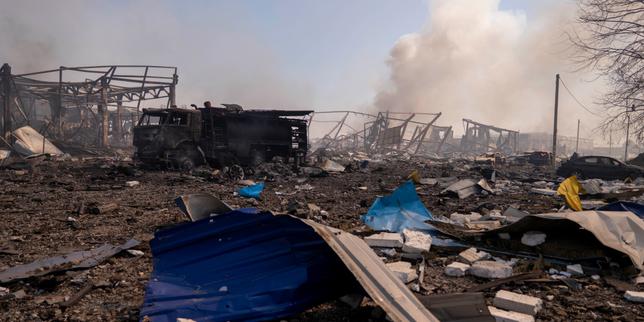
Moscow just announced it's lining up preparations for massive retaliatory strikes targeting Ukraine's energy grid. It's a blunt warning that shifts the current trajectory of the conflict right back to infrastructure warfare. The Russian defense ministry explicitly framed this upcoming campaign as direct payback for ongoing Ukrainian drone and missile operations hitting Russian oil refineries and civilian facilities. When both sides treat the power grid as a primary chessboard, civilian survival turns into an ongoing logistical nightmare.
The Strategy Behind the Grid Wars
You cannot separate these threats from the broader economic math driving the war. Ukraine relies heavily on long-range drones to target Russian refineries, aiming straight at the hydrocarbon revenues that fund the Kremlin's military machine. Oil and gas exports historically account for a massive chunk of Russia's state budget. By cutting into that stream, Kyiv wants to bleed Moscow's financial capacity dry. If you enjoyed this post, you should look at: this related article.
In response, the Russian military targets power stations, substations, and transmission nodes. The logic is simple and brutal. Plunging cities into darkness breaks industrial output, strains logistics, and wears down civilian morale. Each cycle of attacks breeds a new wave of retaliation, creating an escalation spiral that shows zero signs of cooling down.
What Escalation Means on the Ground
Living through a winter or an autumn under targeted grid destruction requires extreme resilience. Ukraine's engineers have spent years mastering rapid repairs, building concrete shelters, and decentralizing power generation. Yet, mass missile and drone barrages test the absolute limits of air defense systems like Patriot or NASAMS. For another angle on this event, refer to the latest coverage from NPR.
When major substations go offline, water pumps stop, heating systems freeze, and hospitals must rely entirely on backup diesel generators. The psychological toll matches the physical destruction. Every public announcement of impending strikes serves as a psychological pressure tactic, forcing millions of families to prepare for prolonged blackouts and emergency relocations.
The Industrial Race for Long-Range Impact
The tempo of this war now depends heavily on manufacturing output. Kyiv continues to scale up domestic production of long-range strike capabilities, including custom-built drones and specialized missiles. These assets let Ukrainian forces strike deep inside Russian territory, bypassing immediate frontline defenses to hit storage depots and processing plants.
Meanwhile, Moscow maintains vast stockpiles of cruise and ballistic missiles, alongside waves of loitering munitions, ensuring they can execute these promised large-scale operations. International supply chains, sanctions enforcement, and military aid packages dictate how long either side can sustain this high-burn rate of destruction.
Protecting critical infrastructure demands more than temporary patch-jobs. Moving forward, both nations face an unyielding test of industrial endurance where every megawatt of power generation becomes a frontline asset.