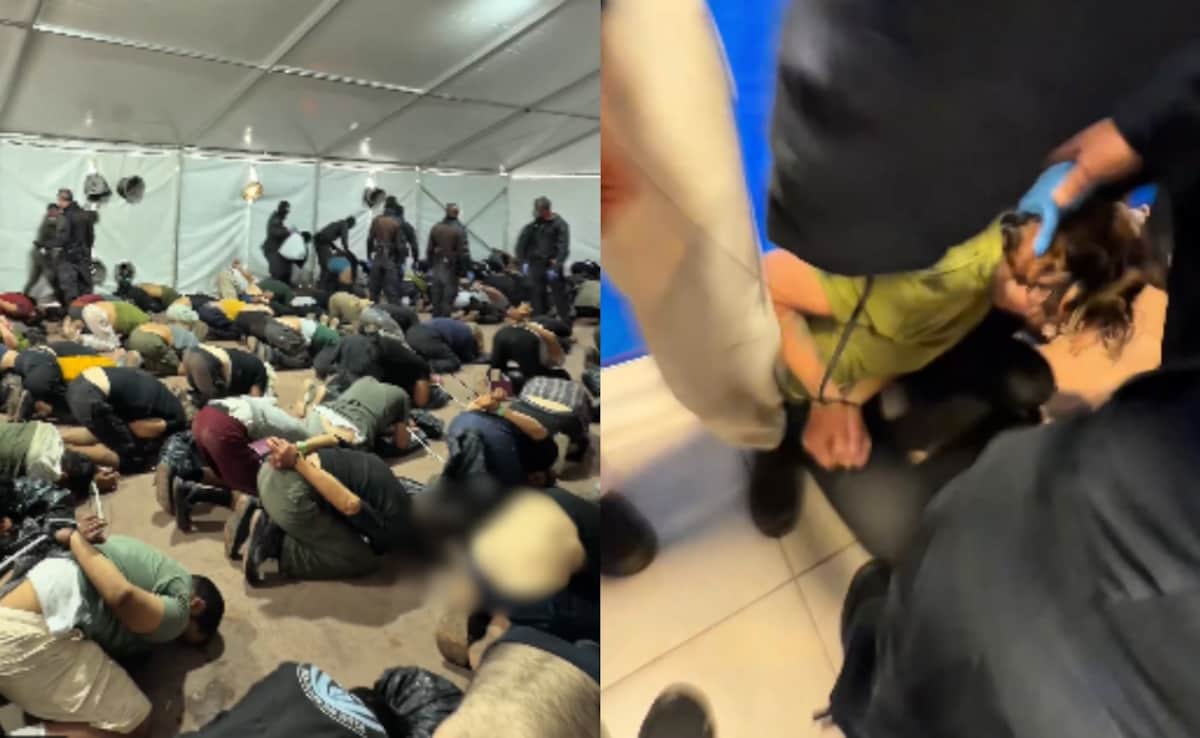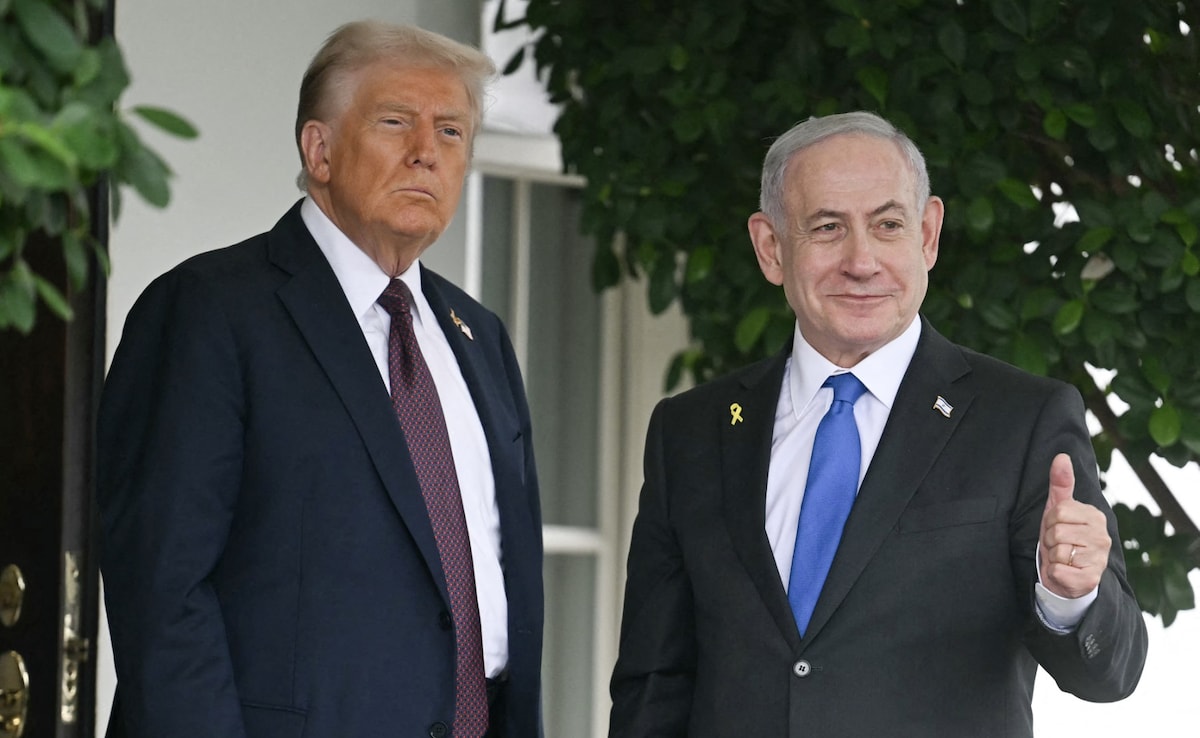
The media cannot stop writing the same predictable script about Marco Rubio and Cuba. The standard narrative treats him as an omnipotent puppet master, single-handedly turning the dials of American foreign policy to tighten the screws on Havana. Analysts look at sanctions, blacklists, and diplomatic freezes, attributing the entire apparatus to a localized domestic political strategy designed to lock down South Florida voters.
This view is entirely wrong. It mistakes a loud megaphone for the engine driving the ship.
By focusing exclusively on the theatrical pressure campaign, mainstream political analysis misses the structural reality: Washington’s decades-long isolation of Cuba has not failed because of a lack of political will, nor has it succeeded because of one senator's persistence. It persists because it functions as an ideological comfort blanket for an establishment terrified of admitting that economic coercion has completely lost its teeth in a multipolar world.
The Myth of the Florida Kingmaker
The lazy consensus states that U.S. policy toward Cuba exists solely to appease a powerful, monolithic voting bloc in Miami. Commentators point to Rubio’s prominent positions on foreign relations committees as proof that the entire federal apparatus has been hijacked by regional interests.
This thesis collapses under close scrutiny. The demographic reality of South Florida has fundamentally shifted over the last two decades. The Cuban-American electorate is no longer a single-minded entity focused exclusively on the embargo. Younger generations and newer waves of immigrants care far more about inflation, housing costs, and local economic opportunities than they do about the Cold War grievances of their grandparents.
I have spent years analyzing federal policy rollouts and political messaging. The hard truth is that the executive branch, regardless of which party holds the White House, uses regional figures like Rubio as convenient shields. When administrations want to maintain a hardline status quo because they lack the imagination or the courage to draft a modern diplomatic strategy, they blame congressional pressure. It is a highly effective game of political theater. Rubio plays his part willingly, gaining national prominence, while Washington avoids the difficult work of real statecraft.
Sanctions Do Not Cause Regime Change
The stated goal of the American pressure campaign is to induce a transition to democracy by choking the Cuban economy. Proponents argue that if you make life difficult enough for the population, they will rise up and overthrow the government.
This logic ignores basic geopolitical mechanics. History proves that comprehensive economic sanctions rarely trigger democratic transitions. Instead, they produce predictable, counterproductive outcomes.
- Elite Insulation: The ruling class in an isolated economy simply tightens its grip on remaining resources. Black markets flourish, and the state secures its survival by controlling the distribution of rationed goods.
- Opposition Crushed: A civilian population consumed by the daily struggle for basic necessities—food, medicine, fuel—has zero bandwidth for organized political resistance.
- The Scapegoat Effect: External embargoes provide authoritarian regimes with a permanent, unassailable excuse for their own internal economic mismanagement and systemic corruption.
When the U.S. cuts off trade, it does not create a vacuum that automatically fills with Western-style democracy. It creates a vacuum that Washington's primary global rivals are more than happy to exploit.
Moving Global Rivals into the Backyard
The greatest irony of the current Washington strategy is that it directly undermines American national security under the guise of protecting it.
Imagine a scenario where a business decides to completely boycott a local competitor, refusing to sell to them or buy from them, while actively trying to bankrupt them. The competitor does not vanish. They simply find new suppliers, new investors, and new partners who hate the original business just as much as they do.
By maintaining an aggressive posture, the United States has practically forced Cuba to look East. Havana has spent the last several years deepening its strategic, economic, and intelligence ties with Beijing and Moscow.
China has quietly stepped in to modernize Cuba's telecommunications infrastructure and provide critical credit lines. Russia has resumed oil shipments and explored deep-water port upgrades. Washington's policy experts claim they are containing a threat, but they are actually inviting major adversarial powers to set up permanent shop ninety miles off the coast of Key West. This is not strategic brilliance; it is a profound failure of basic chess.
Dismantling the Faulty Premise
Go to any mainstream policy forum and you will see the same questions asked repeatedly. The premises of these questions are fundamentally broken, and they deserve honest, unvarnished teardowns.
Does tightening the embargo help the Cuban people?
No. The argument that economic starvation helps the population is a cruel absurdity. It deprives independent entrepreneurs—the very individuals who could form the backbone of a free-market counterweight to the state—of access to global platforms, banking services, and supply chains. If the goal is to foster an independent middle class, starving the economy achieves the exact opposite.
Why not just maintain the status quo until the government collapses?
Because the status quo is causing a massive humanitarian and migration crisis that directly impacts American cities. When the Cuban economy cratered in recent years, the result was not a political revolution; it was a historic surge of migration. Hundreds of thousands of Cubans left the island, creating immense logistical and financial strains on U.S. border enforcement and municipal infrastructure. The pressure campaign acts as a primary driver of the very border crisis Washington politicians complain about.
The Cost of the Contrarian Alternative
The alternative to the current policy is not a naive, consequence-free embrace of the Cuban government. A pivot toward targeted engagement carries real risks and undeniable downsides.
If the United States normalized trade relations tomorrow, the immediate beneficiary would undoubtedly be the military-run conglomerates that control Cuba's tourism and import sectors. The regime would use initial inflows of hard currency to stabilize its own position and reward loyalists. This is a bitter pill to swallow, and anyone arguing for a change in policy must admit this reality openly.
However, state control cannot survive long-term exposure to an avalanche of American capital, tourists, and information. The current isolation strategy allows the state to maintain absolute control over a closed ecosystem. Flooding that ecosystem with economic activity dismantles that control far more effectively than any senate speech or Treasury department sanctions update ever could.
Stop Weaponizing Isolation
The obsession with Marco Rubio's influence over Cuba policy obscures the real problem: Washington is trapped in an outdated ideological loop. The United States continues to deploy mid-20th-century tools against a 21st-century geopolitical reality, ignoring the tangible costs in migration, regional stability, and national security.
True strategic leverage does not come from turning your back on an adversary and hoping they starve. It comes from economic integration, presence, and the irresistible pull of the world's largest market. Continuing down the current path is an admission of diplomatic bankruptcy.
Stop pretending that a policy of total isolation is working. Pull down the blockade, let American commerce flood the island, and force the regime to face the one thing it cannot survive: direct competition with the American economy.