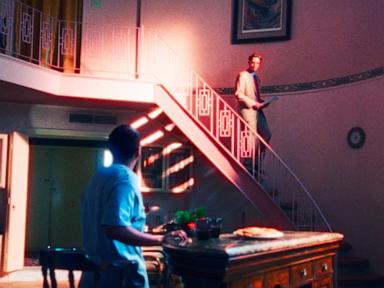
Critics are tripping over themselves to praise Lance Oppenheim's A24 feature Primetime, starring Robert Pattinson as a fictionalized Chris Hansen navigating the dark arts of mid-2000s reality television. The lazy consensus across cultural commentary is that the film serves as a chilling, cautionary critique of media sensationalism, moral decay, and how the pursuit of ratings corrupts absolute good.
They have it backward. Meanwhile, you can read other stories here: The Dark Psychology Behind Primetime and the True Cost of Televised Vigilantism.
Primetime does not indict the media machine. It sanitizes it by turning structural rot into an individual moral fable. By framing the descent into tabloid exploitation as a psychological horror story driven by a singular, unhinged protagonist, the film lets the broader cultural ecosystem off the hook.
The Fallacy of the Bad Apple
The core argument of the film's defenders is that Hansen's descent mirrors the corrupting influence of fame. Pattinson plays him with a stiff, uncanny-valley detachment—a minor demon operating in a studio suit, slowly losing his mind as the production lines blur between justice and voyeurism. To explore the full picture, we recommend the recent report by Deadline.
This is comforting nonsense. It frames systemic failure as a personal defect.
When you spend millions producing projects analyzing late-stage capitalist media, you quickly realize that exploitation does not require a rogue host or a demonic anchor. It requires an audience of millions sitting complacently in their living rooms, demanding higher stakes, faster confrontations, and bloodier public executions of social pariahs. The network executives, the digital vigilantes, and the viewers at home are not corrupted by Hansen; they built the architecture that demanded he behave this way.
To suggest that a show like To Catch a Predator failed because its host lost his moral compass is like saying a slaughterhouse failed because the butcher got too enthusiastic. The machinery was designed to process meat.
The Pattinson Paradox
Pattinson is undeniably brilliant. His performance strips away the folksy, avuncular veneer of the real-life television personality and replaces it with a hollowed-out husk of pure careerist ambition. But this brilliant stylistic choice creates a trap for the viewer.
When an actor portrays a historical archetype as a psychotic outlier, the audience breathes a sigh of relief. We look at Pattinson’s wide-eyed, twitchy fixation and think, Well, at least I am not like that.
That is the precise moment the film fails its own premise.
Real media pathology is mundane. It does not look like a psychological thriller directed with neon-drenched dread. It looks like bored corporate accountants checking demographic sheets on a Tuesday morning. It looks like advertisers calculating cost-per-impression metrics while human lives are turned into high-definition blood sport. By injecting gothic horror into a mid-2000s television set, Oppenheim trades hard sociological truth for cinematic style.
Redefining the Search Intent
If you came looking for an appreciation of how Primetime captures the zeitgeist of early internet vigilantism, ask a different question: Why do we keep demanding that our pop-culture critiques of media come packaged as personal melodramas instead of institutional autopsies?
The answer is simple. Institutional autopsies require us to interrogate our own consumption habits. Personal melodramas allow us to buy a ticket, watch a talented actor sweat under studio lights, and walk out of the theater feeling enlightened without having changed a single habit.
The film treats the camera as a weapon of moral corruption. History proves the camera is merely a mirror. The audience did not tune in because they were tricked by a charismatic host; they tuned in because public shaming has always been humanity's favorite spectator sport.
Stop looking for the monster behind the anchor desk. He is just reading the cue cards you bought.