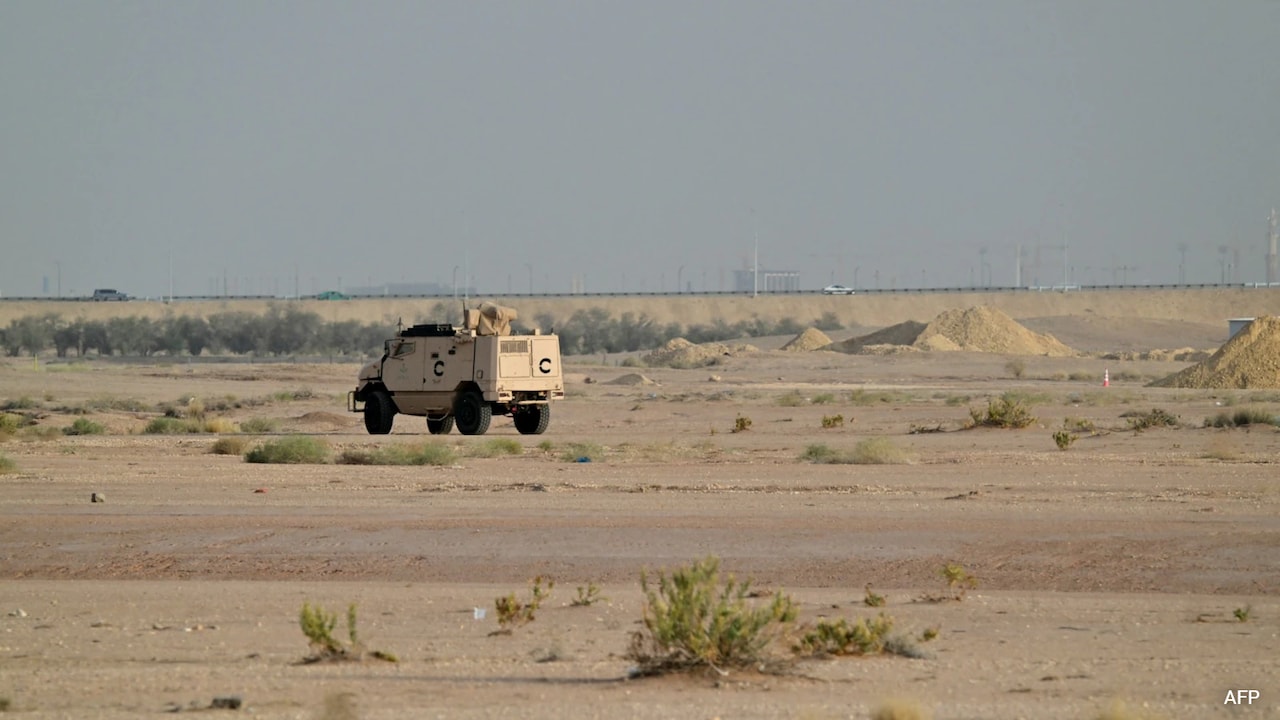
Airports are supposed to be heavily defended gateways, not front lines. When regional conflicts spill onto civilian tarmac and airspace, the rules change overnight. The incident involving Houthi attacks targeting Riyadh Airport, which resulted in tragic casualties including a pilot, shattered the illusion that aviation hubs miles away from active frontlines remain entirely insulated from regional missile and drone warfare.
You hear about intercepted projectiles on the news every week. Most people tune it out as background noise from distant conflicts. But when a ballistic strike or explosive-laden drone manages to pierce advanced air defense radiuses or creates debris fields impacting airport infrastructure and flight crews, the stakes shift. Aviation safety isn't just about metal detectors and passport control anymore. It's about airspace management during active geopolitical flare-ups.
The Real Cost of Regional Drone Warfare on Commercial Aviation
Drones and ballistic missiles don't care about flight schedules. They operate on coordinates, seeking high-value targets to send political signals. Riyadh Airport handles millions of travelers annually, serving as a massive economic engine for the region. Targeting a facility like this is designed to disrupt commerce, shake investor confidence, and test air defense capabilities to their absolute limits.
Let's talk about what happens to flight crews. Pilots and cabin crew sign up for operational hazards related to weather, mechanical failure, or standard aviation risks. They don't sign up to become collateral damage in asymmetrical drone warfare. When a pilot is killed or injured due to hostile airborne attacks near major commercial hubs, airlines face a massive personnel crisis. Crews start refusing routes. Unions demand hazard pay or complete flight suspensions.
Governments often downplay these incidents to prevent widespread panic or economic downturns. They call debris "intercepted fragments." But a fragment weighing fifty pounds falling out of the sky at terminal velocity doesn't care if it came from a Patriot missile or the drone it hit. The hazard to passenger jets on final approach is entirely real.
How Airspace Management Must Adapt Right Now
Civil aviation authorities and military defense networks operate in separate silos. That’s a dangerous disconnect. Military radar spots incoming threats minutes before they hit civilian airspace. Commercial air traffic controllers need that data instantly to vector aircraft away from danger zones or freeze takeoffs and landings.
Right now, communication protocols are too slow. When threats emerge from the south targeting Saudi infrastructure, airports need automated defense integration.
- Real-time radar sharing: Civilian towers must have direct feeds from antimissile batteries.
- Dynamic route closures: Instantaneous grounding of flights when anomalous radar tracks appear.
- Hardened terminal architecture: Moving fuel farms and administrative offices away from glass-heavy terminal buildings.
If you fly through Middle Eastern hubs frequently, you've probably noticed subtle changes. Flights take wider loops around conflict zones. Departure windows shift abruptly. Airlines aren't talking about it publicly because they hate scaring passengers, but dispatchers are sweating bullets every time a regional escalation occurs.
Misconceptions About Anti-Missile Defense Systems
People assume modern defense systems like Patriot batteries or C-RAM units create an impenetrable dome over major cities and airports. They don't. Physics and geometry get in the way.
Interceptions happen high in the atmosphere or miles away from the target. Gravity takes over once a missile or drone is destroyed. The heavy metal components, unburnt fuel, and engine blocks scatter over wide areas. If an interception happens directly above an airport approach corridor, falling shrapnel becomes an immediate hazard to descending airliners.
This is why incidents involving Riyadh Airport are so terrifying for aviation safety experts. Even a successful interception can produce a rain of high-speed debris over a busy runway. Protecting a civilian airport requires pushing the engagement zone dozens of miles outward, giving falling wreckage time to burn up or land in unpopulated desert expanses.
What This Means For Frequent Flyers
You don't need to panic, but you do need situational awareness. If you travel internationally through volatile regions, expect unpredictable delays. Airlines will cancel flights at the first sign of radar anomalies. Trust their caution. Pilots are not eager to fly into contested skies, and dispatchers are watching live threat feeds around the clock.
The security paradigm has shifted from stopping bad actors at the terminal door to anticipating airborne threats hundreds of miles out. Until regional conflicts reach political resolutions, commercial aviation will remain a pawn in a high-stakes game of drones and missiles. Pay attention to route changes, support airline caution, and recognize that keeping planes safe in the modern age requires military-grade vigilance.


