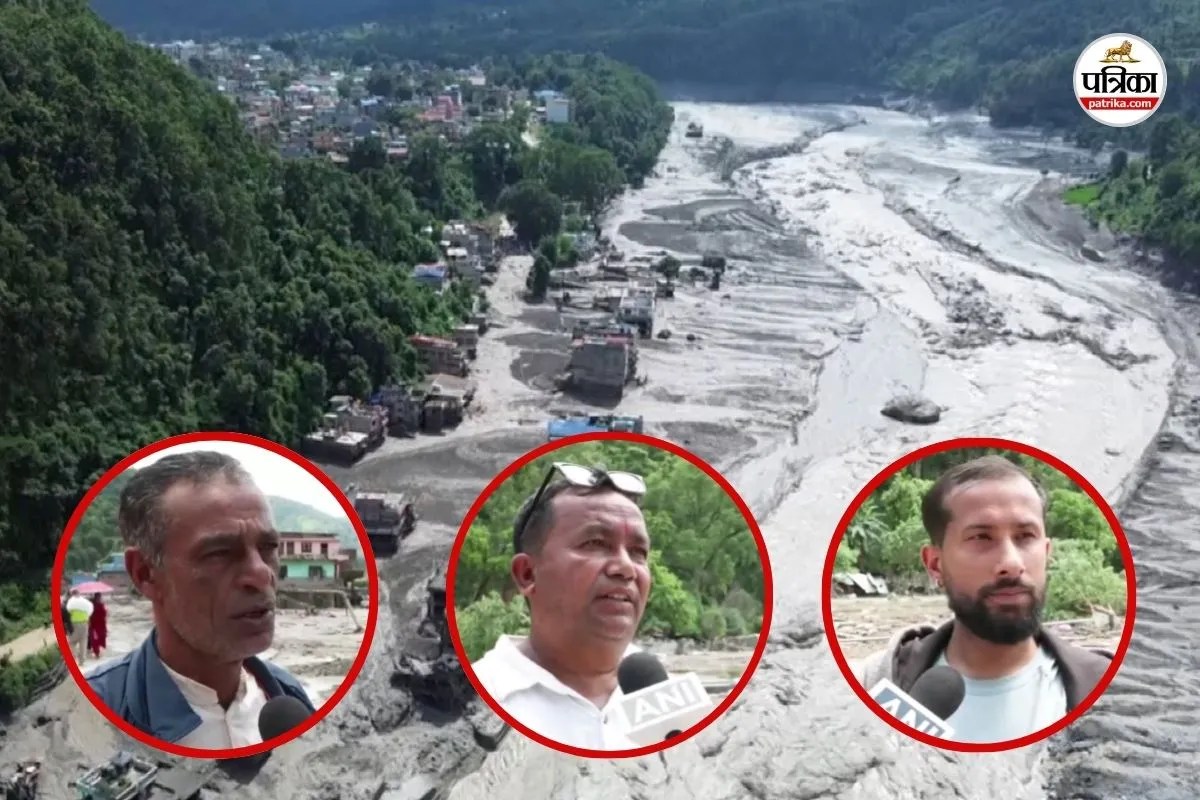
The rain in the mountains does not fall as drops. It falls as weight. It hits the slate roofs of the valley with the sound of thousands of tiny hammers, steady and relentless, until the soil beneath the foundations forgets it is earth and remembers it is mud.
By the time the roar begins, it is already too late to run.
In the villages carved into the steep, indifferent folds of Nepal, a flash flood does not arrive with polite warnings or modern sirens. It comes as a wall of dark, churning debris—snapped pine trunks, pulverized rock, and the heavy, metallic stench of upturned soil. It eats roads before breakfast. It swallows stone houses before the inhabitants can reach for their shoes. And when the water finally recedes, it leaves behind a silence so absolute that even the birds refuse to fill it.
Standing on the edge of what used to be a bustling route through the district, survivors look out at a geography that has been entirely rewritten overnight. There are no maps for this. There are only questions with answers buried beneath twenty feet of gray silt.
"How many are missing?" someone asks into the damp air.
Nobody answers. Because there is no count. There is no registry for the people swept away when the hillside gave way in the dead of night. There is only the arithmetic of absence: an empty chair at a tea stall, a pair of school books found miles downstream, a door frame standing alone in a sea of gray sludge where an entire neighborhood used to breathe.
The Geography of Isolation
To understand what happens when nature fractures a community like this, you have to look closer at the map. Or rather, at what happens when the map disappears.
When the swollen rivers took out the bridges, they didn't just disrupt traffic; they severed the fragile arteries connecting these remote valleys to the rest of the world. Imagine trying to mail a letter to someone on the moon. That is what it feels like to call for help when the roads have dissolved into the ravines.
Rescue teams face a cruel irony. The very terrain that makes Nepal one of the most breathtaking places on Earth also makes it an impenetrable fortress against swift salvation. Helicopters cannot land when the clouds sit low and heavy on the peaks like wet wool. Heavy machinery cannot roll forward when the asphalt has turned into a rushing torrent.
So, the burden falls back on the oldest mechanism known to humanity: neighbors.
People whose own homes are half-filled with mud are digging with bare hands, shifting boulders that require the strength of three. They are tying ropes around each other's waists, wading into secondary currents that still bite at their knees, searching for signs of life in the wreckage. It is desperate, agonizing work. Every heave of a shovel is a silent gamble against time. Every minute that passes dims the ember of hope a little further.
When Statistics Bleed
We live in an age that loves numbers. We want our tragedies neatly categorized in bullet points and morning news summaries. We want death tolls, economic loss projections, and percentage rates of recovery.
Numbers offer a strange comfort. They box the horror up into something manageable.
But numbers fail when they meet a flash flood in the Himalayas. When a river swells four meters in an hour, statistics become flesh and blood, and then, heartbreakingly, they become ghosts. When villagers state that no one even knows how many people were passing through on foot, they are pointing to a terrifying truth about modern vulnerability: some lives are so quietly lived that their sudden disappearance barely registers on the national radar until weeks later.
Consider the seasonal travelers, the traders moving goods between hill towns, the laborers working on remote infrastructure projects. They are the invisible threads holding these mountain economies together. When the mountain breaks, they are often the first to fall and the last to be counted.
The air grows colder as evening approaches. The temporary shelters—rigged from blue plastic tarps and salvaged corrugated iron—offer little defense against the mountain chill that seeps through the bones. Children press close to their mothers, wide-eyed, asking when they can go back to their beds. Their mothers look out at the dark expanse where their homes used to be, keeping the devastating truth to themselves: there is nothing left to go back to.
The Long Reckoning
Rebuilding a washed-out road is a matter of engineering, heavy concrete, and state budgets. But rebuilding a shattered sense of safety takes something far more elusive.
When the monsoon clouds finally exhaust themselves and the sun breaks through, casting long, sharp shadows across the valley, the survivors will step out onto the new banks of the river. They will look at the altered landscape—the new curves of the water, the naked scars on the green slopes above—and they will know that the world has shifted beneath their feet in more ways than one.
The river has moved on, cutting a deeper, hungrier path through the stone. But the people remain, standing on the edge of the debris, listening to the water rushing past, waiting for a voice from the outside world that takes far too long to arrive.


