Walk into any local gas station at 6:00 PM on a Tuesday. The fluorescent lights hum. A neon sign flashes a price per gallon that makes you wince. You swipe a plastic card, insert the nozzle, and stare blankly at the rolling numbers. To you, this is just a frustrating weekly chore, a small chunk of your paycheck vanishing into a metal tank.
But thousands of miles away, inside a sterile diplomatic hall in Geneva, a group of tired officials in tailored suits just signed a piece of paper. It is a comprehensive peace and denuclearization deal with Iran.
It feels completely disconnected from your life. It feels like abstract history, the kind of news you scroll past to check the football scores.
It isn't.
That piece of paper is a stone thrown into a global pond. The ripples are moving faster than you think, crossing oceans, slipping through stock exchanges, and headed straight for your checking account. The world of global macroeconomics is not a textbook. It is a highly sensitive web of dominoes, and a major diplomatic breakthrough just tipped the first one over.
Let us trace exactly where those dominoes fall, and why a treaty signed in the Middle East dictates how much money stays in your pocket next month.
The Ghost Ships of the Persian Gulf
To understand the immediate impact, consider a hypothetical shipping manager named Marcus. He sits in an office overlooking the port of Rotterdam, staring at a digital map tracking supertankers. For years, a massive portion of the world’s oil supply has been locked behind a wall of strict international sanctions. Iranian crude oil could not legally enter major Western markets.
But under the new deal, those sanctions crumble.
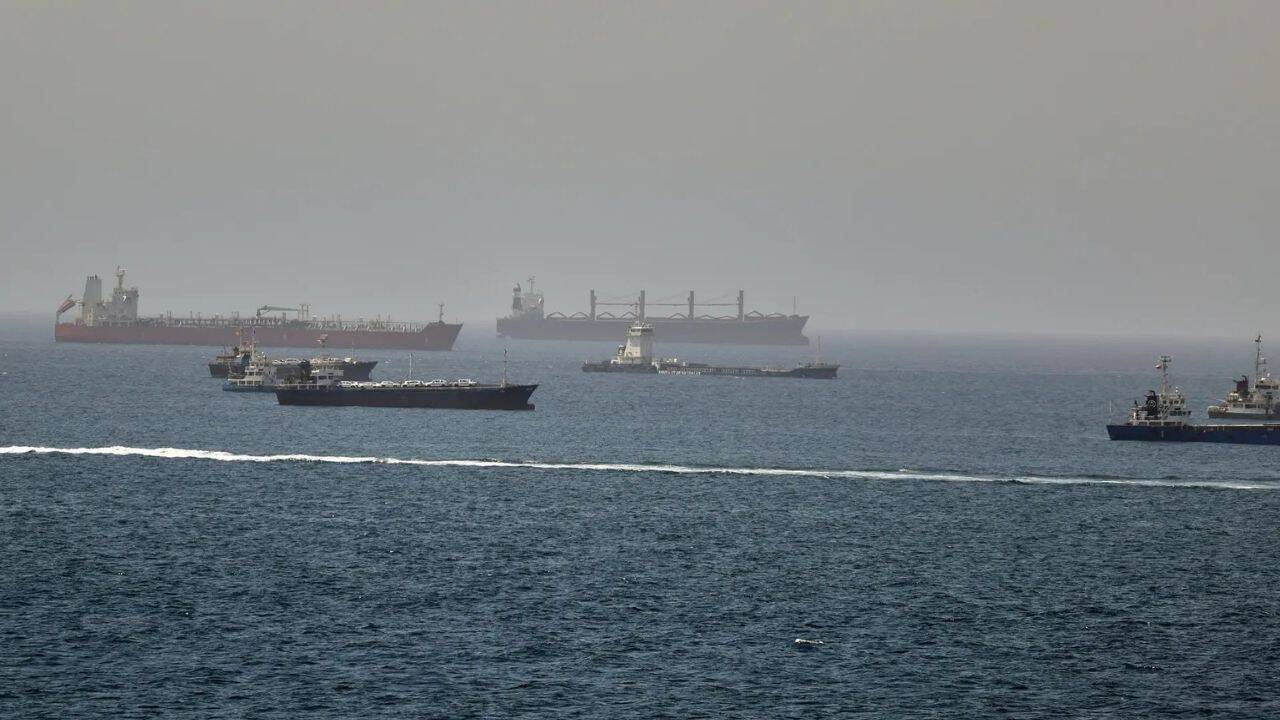
Iran sits on the world’s fourth-largest proven oil reserves. For months leading up to this diplomatic breakthrough, the country has been quietly prepping. Millions of barrels of oil have been sitting in floating storage—massive tankers anchored in the Persian Gulf, waiting for the green light.
When Marcus sees those digital blips begin to move, the global supply curve shifts overnight.
Suddenly, up to one million barrels of oil per day could flood back into the global economy. Basic economics tells us what happens when supply surges while demand remains steady. Prices drop.
For you, this is the most immediate, tangible victory. The price of crude oil dictates the price of regular unleaded. Within weeks of a finalized deal, the numbers on that fluorescent gas station sign will begin to tumble. A drop of twenty cents a gallon might not sound like a revolution, but over a year of commuting, it represents hundreds of dollars clawed back into your household budget. Money for groceries. Money for a weekend trip. Money that stays yours.
But the story does not stop at the pump.
The Secret Ingredient in Your Grocery Cart
Think about a box of cereal or a plastic bottle of orange juice. You do not pour oil on your breakfast, but oil is woven into the DNA of every single product you buy.
Consider the journey of an apple. It is picked by machinery that runs on diesel. It is packed into a plastic container derived from petrochemicals. It is loaded onto a semi-truck that burns fuel to drive three hundred miles to a distribution center, and then another fifty miles to your local supermarket.
When energy costs spike, corporations do not absorb the damage. They pass it down the line. You pay for it at the register.
Conversely, when a peace deal punctures the price of crude oil, it relieves the hidden inflationary pressure on the entire supply chain. Shipping a pallet of goods becomes cheaper. Manufacturing plastic packaging becomes cheaper. Running a fleet of delivery vans becomes cheaper.
The real magic of a major diplomatic resolution is not just cheaper gas; it is the quiet deflation of everyday life. You might not see a massive headline declaring that grocery prices have plummeted, but you will notice that your weekly supermarket trip leaves a little more breathing room at the bottom of the receipt. The invisible tax of high energy prices begins to evaporate.
The Turning Tide for Your Retirement Fund
If you look at your 401k or your personal investment portfolio, you are likely looking at a collection of American and international corporations. These companies hate uncertainty. Nothing breeds uncertainty quite like the threat of a military conflict in the Middle East, a region that controls the choke points of global trade.
For the past decade, the risk of a breakdown in talks—or worse, an active conflict—has acted as a heavy anchor on global stock markets. Geopolitical risk premium is the technical term. It is essentially an insurance premium that investors force the market to pay because they are scared of a sudden war breaking out.
With a signed peace deal, that fear dissipates.
Suddenly, massive institutional funds—the ones managing billions of dollars for teachers, firefighters, and everyday workers—feel safe moving money out of defensive hoardings and back into growth sectors. Aviation companies can plan long-term routes without fearing airspace closures. Tech companies can build supply chains without worrying about shipping lanes in the Strait of Hormuz being shut down by naval blockades.
There is, however, a twist to this narrative. The market is a beast of balance. While retail, tech, and manufacturing stocks often rally on the news of peace and lower energy costs, domestic oil and gas companies might take a hit. If you hold heavy investments in local energy producers, their profit margins are about to compress under the weight of cheap foreign oil.
Navigating this requires a shift in perspective. Peace rearranges the winners and losers of the financial world. It rewards businesses that consume energy and punishes those that purely sell it.
The Interest Rate Tug-of-War
To understand the deepest, most profound way this treaty alters your financial future, we have to look at the central banks. For years, the monetary authorities have been locked in a brutal war against inflation. To cool the economy down, they raised interest rates, making it incredibly expensive for you to buy a house, finance a car, or carry a balance on a credit card.
One of the primary drivers of that sticky inflation was volatile commodity prices, spearheaded by energy.
When a peace deal stabilizes the energy market and lowers the cost of goods, it does the central banks' job for them. It tames the inflation beast without requiring further economic pain.
If inflation consistently hits the target comfort zone, the justification for high interest rates vanishes.
Imagine wanting to buy a home next year. Under current high rates, a thirty-year mortgage feels like a financial life sentence. But as the macroeconomic pressure cooks off, thanks in part to a sudden influx of global oil and stabilized trade routes, central banks gain the leverage they need to start cutting interest rates.
A one percent drop in a mortgage rate doesn't sound like a cinematic plot point. But on a $400,000 home, that single percentage point translates to saving tens of thousands of dollars over the life of the loan. It is the difference between being trapped in a rental cycle and owning the keys to your front door.
The peace deal creates a macroeconomic environment where money becomes cheaper to borrow again. That reshapes your ability to build wealth, buy a home, or start a small business.
The Open Door and the Fragile Tomorrow
There is a final, human element to this shift that goes beyond cold balances and interest percentages. A peace deal is an opening of a long-locked door. Iran is a nation of over eighty million people, highly educated, young, and eager to connect with the broader world.
When a nation reintegrates into the global economy, it creates entirely new markets. Western companies will begin to look at exporting consumer goods, medical technology, and agricultural products to a massive, untapped population. This isn't just about big corporations making money; it means job creation and economic vitality that echoes back to the factories and tech hubs in your home country.
Yet, we must be honest about the fragility of this moment.
Geopolitical treaties are written on paper, but they are executed by volatile human beings. Dictators change their minds. Western political administrations shift after elections, sometimes tearing up agreements their predecessors signed. There is always a risk that this breakthrough is temporary, a brief oasis of stability before old rivalries flare up again.
But for now, the gears of the world are turning in a different direction.
Tonight, when you go home, look around your living room. Look at the smartphone charging on the counter, the groceries in the pantry, the car parked in the driveway. None of these items exist in a vacuum. They are all tied by invisible, microscopic threads to decisions made by strangers in distant rooms.
The peace deal is not an abstract political football. It is an unseen hand that has just reset the cost of your morning commute, rewritten the trajectory of your retirement savings, and altered the price of the roof over your head. The world just became a slightly more stable place, and your wallet is about to feel the relief.