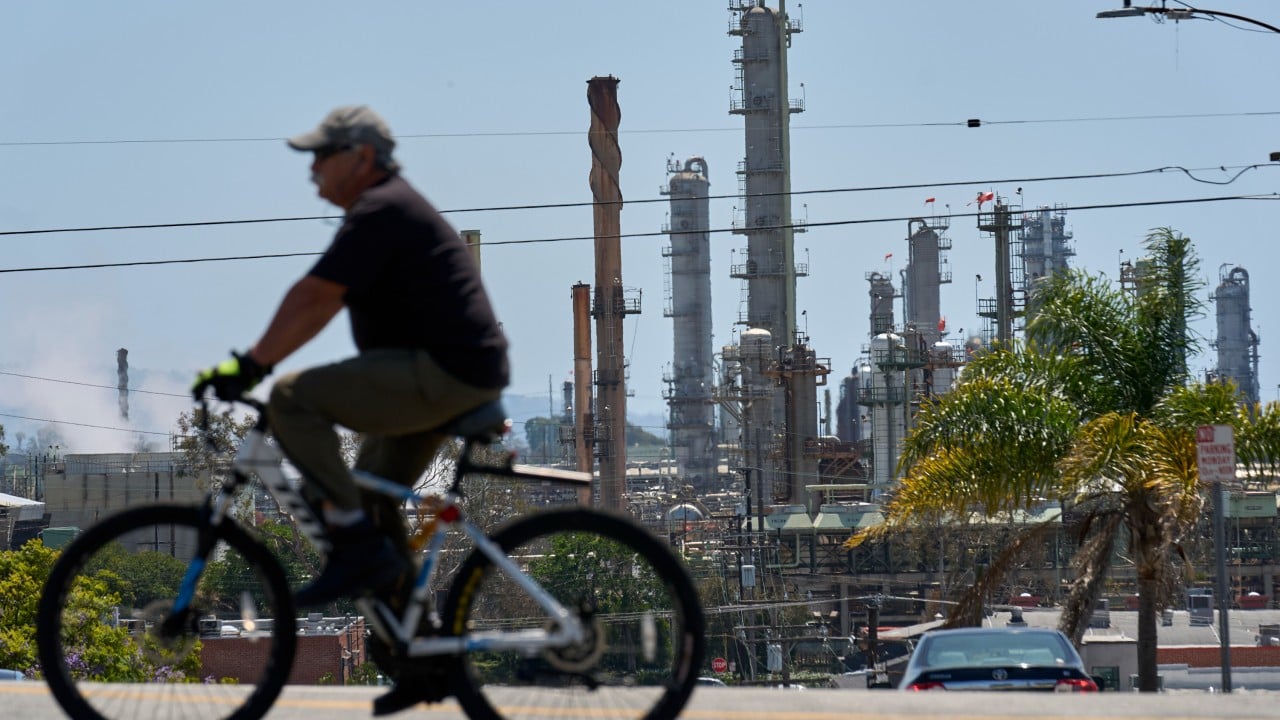
National gasoline averages sitting above four dollars a gallon create an immediate political vulnerability for the executive branch, triggering high-stakes meetings between the White House and major domestic oil refiners. These interventions assume that executive pressure can directly alter retail fuel prices. Yet, the underlying mechanics of petroleum downstream economics reveal a rigid system bound by physical capacity limits, crack spread margins, and global supply configurations. Understanding why presidential jawboning encounters severe friction requires examining the structural cost functions of American refineries.
The interaction between crude oil inputs and retail fuel outputs is governed by refining margins, most notably the crack spread. When geopolitical conflicts—such as disruptions involving Iran—constrain global petroleum flows, crude prices react violently. Simultaneously, fuel inventories shrink due to sustained export demand, widening crack spreads and yielding bumper profits for operators like Marathon Petroleum, Valero Energy, and Phillips 66. The administration views these high margins as a policy target, urging operators to expand domestic throughput to force prices down.
However, American refineries are currently operating near maximum practical utilization rates, hovering close to one hundred percent of existing nameplate capacity. When a processing network runs at its physical ceiling, exhortations to produce more output encounter immediate operational laws.
The Bottlenecks of Downstream Expansion
Expanding national refining capacity is capital-intensive and time-prohibitive. Building a modern fractionation unit or hydrocracker requires years of environmental permitting, engineering, and billions of dollars in capital expenditure. Consequently, refiners cannot respond to short-term political mandates by constructing new facilities.
Instead, operators face a strategic optimization problem. Long-term demand projections signal structural headwinds from vehicle fleet electrification and higher fuel-economy standards. Allocating billions toward permanent grassroots refining capacity expansion carries severe risk of stranded assets over a ten-to-twenty-year horizon. Rather than expanding footprint, refiners prioritize returning capital to shareholders and maintaining high utilization of existing units.
Physical constraints are compounded by structural policy demands brought by industry executives to the negotiating table. Refiners routinely push back against regulatory friction, specifically citing the Renewable Fuel Standard compliance costs and the logistical hurdles imposed by the Jones Act. The Jones Act restricts domestic maritime transport to American-built and crewed vessels, creating localized supply bottlenecks that elevate the cost of moving refined product from Gulf Coast processing hubs to high-demand coastal markets.
The Global Export Paradox
A primary driver of elevated domestic fuel prices is the global integration of the American petroleum market. The United States operates as a net exporter of refined products, shipping millions of barrels of diesel and gasoline daily to international buyers where netbacks often exceed domestic returns.
When international demand pulls product overseas, domestic inventories decline, keeping wholesale prices elevated regardless of domestic crude extraction volumes. The administration faces a contradictory policy matrix: encouraging energy independence and export-led economic growth while simultaneously attempting to trap refined product within domestic borders to lower local pump prices.
Proposals to restrict exports or impose windfall profit taxes would fundamentally alter capital allocation incentives, likely driving down long-term investment in domestic energy infrastructure even further. Conversely, administrative efforts to reintroduce heavy crude supplies—such as securing flows from Venezuela for specialized Gulf Coast cokers—offer marginal relief, but cannot offset broader supply shocks driven by international conflicts and tight global spare capacity.
Future price trajectories will be dictated by global feedstock availability and inventory replenishment rates rather than domestic political pressure. Refiners will continue to optimize asset utilization based on crack spread profitability and global arbitrage opportunities, treating administrative summits as temporary rhetorical friction while maintaining strict allegiance to structural market realities.