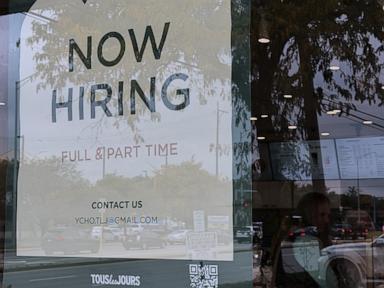
If you’ve tried to buy a home or look for a new job lately, you already know the ground is shifting beneath your feet. Employers added a meager 29,000 jobs, dragging hiring down from earlier months, while the national unemployment rate ticked up to 4.2%. At the exact same time, the benchmark 30-year fixed-rate mortgage surged past 7%, hitting heights not seen in nearly three years.
This isn't just a minor statistical blip on a monthly economic report. It's a heavy squeeze hitting everyday household budgets from two different directions at once. When borrowing costs spike while job security wobbles, the ripple effects touch everything from real estate markets to how much cash people have left over for groceries.
The Dual Pressure on Household Budgets
Let's look at what's actually happening on the ground. When long-term mortgage rates jump past 7%, basic math destroys homebuyer purchasing power. Buying a median-priced home today requires hundreds of dollars more each month compared to just a couple of years ago.
Families who planned to move are staying put. They're locked into older 3% or 4% rates and refuse to trade them for a 7% loan. That dynamic freezes the housing inventory, leaving buyers fighting over scraps while prices stay stubbornly high.
On the employment side, a cooling job market means workers have less leverage. When job growth slows to a trickle of 29,000 positions, corporate downsizing starts looking like a real threat rather than just a headline on the evening news. If you lose your income stream while everyday expenses remain elevated, financial breathing room vanishes fast.
Why Interest Rates Refuse to Stay Down
Treasury yields drive these mortgage spikes, and those yields are reacting to broader macroeconomic fears. Sticky inflation, rising national debt loads, and global trade friction keep pushing borrowing costs upward.
The Federal Reserve faces an impossible balancing act. Lower rates could trigger another wave of inflation, but keeping rates high chokes off housing and business investment. Lenders price loans based on where they see economic risk heading over the next decade. Right now, they see plenty of risk.
For ordinary consumers, watching bond markets dictate whether you can afford a mortgage feels frustratingly detached from reality. Yet that invisible bond yield directly determines your monthly housing payment.
Navigating a High-Cost Economy
Waiting around for the market to fix itself rarely works. If you're trying to navigate this environment, you have to operate differently than you did a few years ago.
- Focus on cash flow resilience: Build up emergency savings that can cover at least six months of basic expenses. Job market cooling means you want a buffer if your industry faces sudden layoffs.
- Explore alternative home financing: If you must buy a home right now, look into adjustable-rate mortgages with fixed periods, seller buy-downs, or assumable loans if the current owner has an attractive low-rate mortgage you can take over.
- Aggressively manage high-interest debt: Credit card rates and personal loans punish you severely when macroeconomic conditions tighten. Pay down variable-rate debt before putting capital into low-return assets.
The economy is sending mixed signals, but the message for households is clear. Flexibility and caution win over wishful thinking every single time. Take a hard look at your monthly fixed costs, protect your primary source of income, and refuse to stretch your finances thin based on how market conditions used to look.