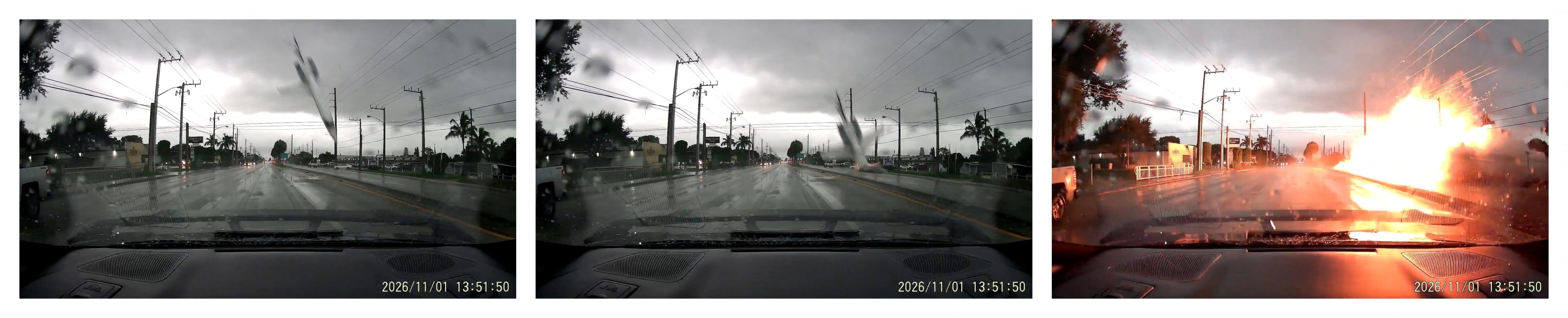
Nine people lost their lives when a small aircraft bound for the Bahamas fell out of the sky and slammed into a quiet residential neighborhood in South Florida. Witnesses on the ground described the terrifying descent as looking just like a missile coming straight down before the impact shook the entire block.
It's the kind of aviation nightmare that instantly dominates local headlines and leaves everyone asking the exact same questions. How does a routine flight heading out over the Atlantic suddenly lose control so close to takeoff? Why do private charters and small aircraft seem to end up in residential backyards so frequently?
When you look closely at aviation safety protocols and the specific geography of South Florida, a much clearer picture emerges. You start to see the exact operational pressures, airspace congestion, and mechanical vulnerabilities that turn a short island hop into a catastrophe.
Why South Florida Airspace Is So Unforgiving
South Florida isn't just a vacation hub. It's one of the most densely packed general aviation corridors on the planet. Between Miami-Dade, Broward, and Palm Beach counties, you've got major international hubs sitting right next to busy executive airports like Fort Lauderdale Executive, Opa-locka, and Boca Raton.
Take off from almost any runway in this region and you're immediately flying over miles of uninterrupted suburban sprawl. There are no open cornfields. There aren't long stretches of empty desert where a pilot can safely put a troubled aircraft down.
If an engine fails or a flight control system jams two minutes after liftoff, your options shrink to almost zero. You're looking at canals, highways, power lines, and tightly packed single-family homes.
The proximity to the Bahamas adds another layer of operational stress. Flights heading to Nassau, Bimini, or the Exumas are typically loaded down with passengers, heavy luggage, and extra fuel to ensure safe overwater reserves. A heavy aircraft climbing out in high South Florida humidity—which reduces air density and degrades engine performance—has very little margin for error.
Understanding That Terrifying Steep Descent
When witnesses say a plane came down "like a missile," aviation investigators immediately pay attention. That specific visual description points toward a very narrow set of aerodynamic failures.
Most small plane accidents involve a controlled crash landing where the pilot tries to glide the aircraft down flat. A near-vertical dive means the aircraft completely lost lift or suffered a catastrophic structural or control failure.
Here's what typically causes that kind of sudden, steep plunge:
- Aerodynamic Stall and Spin: If an aircraft climbs too steeply or banks too hard while trying to turn back toward the airport after an engine issue, the wings can lose lift abruptly. Once a stall turns into an unrecoverable spin at low altitude, the nose points straight at the ground.
- Spatial Disorientation: Flying into sudden coastal cloud layers or heavy rain squalls can trick a pilot's inner ear. Without strict reliance on cockpit instruments, a pilot can inadvertently push the nose down while thinking they're flying level.
- Flight Control Jam or Separation: Though rare, a broken control cable, jammed elevator, or severe mechanical failure in the tail section can lock an aircraft into an uncommanded dive.
- Weight and Balance Shifts: If heavy cargo or luggage in the rear of a packed charter plane isn't secured properly and slides backward during climb-out, the nose pitches up violently, triggering an immediate stall.
The National Transportation Safety Board (NTSB) always looks at radar track data first to separate these scenarios. Modern air traffic control radar captures altitude and groundspeed every few seconds, showing investigators whether the plane slowed down before dropping or accelerated straight toward the earth.
The Reality of Bahamas-Bound Charter and Private Flights
Flying from South Florida to the Bahamas takes less than an hour for most twin-engine props and light jets. Because it's so quick, passengers often treat these trips like hopping into an Uber.
That casual mindset can sometimes mask serious operational differences between major commercial airlines and smaller private or charter operations.
Commercial airlines operate under Part 121 of the Federal Aviation Regulations. Those rules require two pilots in the cockpit, strict rest schedules, redundant mechanical systems, and massive maintenance oversight.
Many smaller flights heading to the islands operate under Part 135 (charter) or Part 91 (private owners). While many Part 135 operators maintain stellar safety records, Part 91 flights face far looser regulatory requirements. A single pilot can legally fly a complex, high-performance aircraft packed with family and friends in challenging weather conditions.
When things go wrong in a single-pilot cockpit, workload spikes instantly. One person has to fly the plane, troubleshoot the emergency, run checklists, talk to Miami Air Traffic Control, and look for a clear patch of ground—all within thirty seconds.
How Investigators Piece Together the Wreckage
Once first responders secure the crash site and extinguish post-impact fires, the federal investigation kicks into high gear. The Federal Aviation Administration (FAA) usually arrives on scene within hours, followed closely by the NTSB's Go Team.
Don't expect instant answers. Anyone promising a definitive cause within forty-eight hours of a crash is guessing.
Small aircraft generally don't carry the heavy, hardened "black boxes" (flight data recorders and cockpit voice recorders) required on commercial airliners. Instead, investigators rely on forensic detective work:
- Engine Teardowns: Specialists ship the engines to a secure facility to examine the internal turbine blades or pistons. Metal scoring or melted components tell them whether the engine was producing full power on impact or had already died in mid-air.
- Avionics Memory Chips: Even without a formal black box, modern GPS units, digital flight displays, and engine monitors store flight data on internal flash memory cards that often survive intense fires.
- Maintenance Logs and Fuel Samples: Investigators immediately quarantine the fuel trucks at the departure airport to check for water contamination or misfueling—like putting jet fuel into a piston-engine plane.
- Air Traffic Control Audio: Every radio transmission between the pilot and departure control gets analyzed for background engine noise, stress in the pilot's voice, or missed altitude assignments.
The NTSB typically releases a preliminary report within two to three weeks. That document only lays out the basic facts—weather, flight path, pilot credentials, and wreckage distribution. The final probable cause report usually takes twelve to eighteen months to publish.
What You Should Know If You Fly Private or Charter
Tragedies like this naturally make travelers nervous about stepping onto smaller planes, especially for short regional hops over water. You don't need to avoid general aviation completely, though. You just need to ask better questions before you climb aboard.
If you're booking a private flight or chartering a plane to the Bahamas or anywhere else, treat safety verification as your personal responsibility.
- Demand Part 135 Certification: Never pay for a seat on an uncertified "gray market" charter operating under Part 91 rules. Verify the operator's air carrier certificate directly through the FAA's online database.
- Check Third-Party Safety Audits: Look for operators rated by independent aviation safety auditors like ARGUS (Gold or Platinum) or Wyvern (Wingman). These organizations verify pilot experience, training frequency, and maintenance history far beyond minimum government standards.
- Insist on Two Pilots: Even if the aircraft is legally certified for single-pilot operation, request a two-pilot crew for overwater flights or trips involving complex airspace. Having a second pair of eyes in the cockpit drastically reduces fatal human error.
- Respect Weather Delays: Never pressure a pilot to take off on schedule if coastal thunderstorms or low ceilings are rolling in. The most dangerous phrase in aviation is "get-there-itis"—the urge to push through bad weather just to stay on itinerary.
Aviation safety advances because every fatal crash forces the industry to examine what broke down in the chain of events. Paying attention to aircraft maintenance standards, pilot qualifications, and airspace realities ensures you make smarter choices every time you leave the ground.



