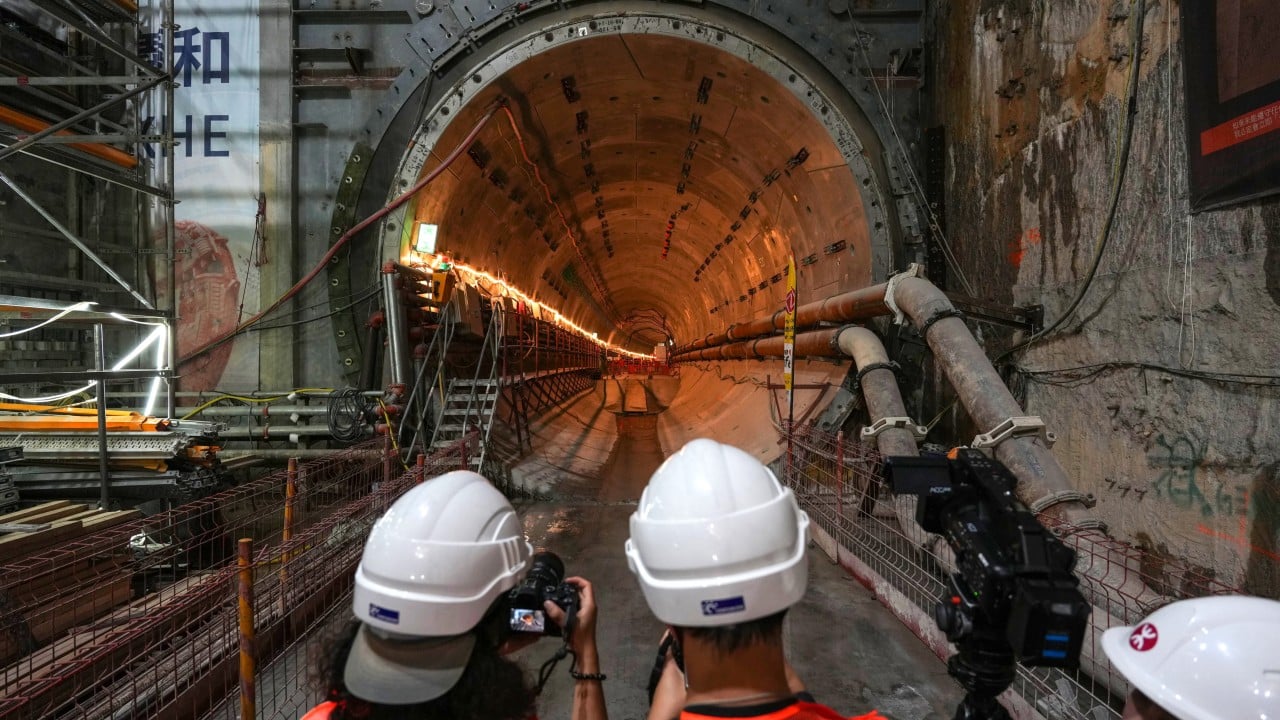
When concrete starts crumbling or failing load tests inside one of the busiest transit networks on the planet, people notice fast. The scandal surrounding the MTR station's defective columns wasn't just a minor construction hiccup or a routine paperwork error. It exposed deep cracks in how mega-projects get built, inspected, and signed off in Hong Kong.
If you're looking for the short answer, here it is. Substandard concrete work and questionable supervision during construction led to structural defects in support columns—most notoriously tied to the Shatin to Central Link (SCL) project and related station works—and the blame ended up split across subcontractors, main contractors, and oversight bodies who missed red flags until whistleblowers and late-stage checks forced the truth out.
Nobody likes hearing that the roof above their daily commute had questionable rebar or honeycombed concrete. Yet that's exactly what commuters faced when reports broke about defective columns and structural irregularities across MTR station construction sites.
Why Defective Columns Happen on Mega Transit Projects
Concrete looks simple from the outside. You mix cement, water, aggregate, and sand, pour it around steel reinforcement bars, and let it cure. In reality, structural column pouring inside a cramped underground station box is unforgiving.
When crews rush a pour or fail to vibrate the wet concrete properly, air pockets get trapped against the steel rebar. Engineers call this honeycombing. On the surface, a honeycombed column looks rough and pitted, almost like Swiss cheese. Underneath, it means the concrete isn't gripping the steel the way the structural drawings demand.
Other times, the problem starts before a single drop of concrete hits the formwork. Rebar couplers—the threaded sleeves that join two steel bars end-to-end—have to be screwed in to an exact depth. If a worker cuts the threads short or fails to torque the bar all the way into the coupler, that joint becomes a weak link under tension.
During the MTR station scandals, particularly around Hung Hom Station on the Shatin to Central Link, investigators uncovered both poor workmanship and deliberate shortcuts. Some steel bars had their threaded ends trimmed so they looked properly seated inside couplers during quick visual checks, even though they barely gripped the threads inside.
That's not an accident. You don't accidentally saw off the end of a thick steel bar. Someone made a choice to save time when things didn't line up, betting that nobody would look closely once the concrete was poured.
What Actually Went Wrong Inside the MTR Stations
To understand why the defective columns became a massive public scandal, you have to look at the timeline of events and the specific failures found during inspections.
First came the reports of altered inspection records and missing forms. On a major railway project, every single pour requires a Request for Inspection and Survey Check (RISC) form signed off before concrete covers the steel. When auditors and a Commission of Inquiry dug into the Hung Hom extension works, thousands of these forms were missing or filled out late.
Without those records, engineers couldn't prove on paper that the columns and diaphragm walls had been checked before pouring. So they had to break open the concrete to look inside.
When crews chiseled away the outer concrete layer on dozens of selected joints and columns, the results confirmed the worst fears of structural engineers. Ultrasonic testing and physical exposure revealed a high failure rate among inspected rebar couplers. Some bars weren't screwed in properly. Others showed voids and poor concrete consolidation around dense clusters of steel.
Meanwhile, separate incidents at other MTR construction sites—including complaints about uneven concrete pouring and honeycombed columns at stations like Exhibition Centre and Tai Wai—added fuel to the fire. Every new photo leaked to the press made the public ask the same question. How many more columns are hiding defects behind fresh coats of paint and cladding?
Breaking Down Who Was at Fault
Blame in construction disputes rarely lands on one pair of shoulders, and the MTR column saga turned into a classic finger-pointing exercise. Still, looking at the contracts, inquiry findings, and regulatory penalties makes the chain of responsibility pretty clear.
The Subcontractors on the Ground
At the sharp end of the stick were the rebar and concrete subcontractors, such as Fang Sheung Construction, who handled the physical installation at Hung Hom. Their workers were the ones physically threading the bars, assembling the cages, and pouring the concrete.
Subcontractors operate on thin margins and brutal schedules. When rebar cages clash with other embedded pipes or formwork, fixing the alignment properly takes hours or days. Trimming a bar takes two minutes with a cutter. While subcontractors directly executed the defective work, they didn't operate in a vacuum.
The Main Contractor
Leighton Contractors (Asia) held the main contract for the Hung Hom station extension works. As the principal contractor, Leighton had the legal and contractual duty to supervise its subcontractors, enforce quality control, and guarantee that every column met strict engineering standards.
The Commission of Inquiry didn't mince words here. Even where main contractor managers claimed they didn't know about workers cutting steel bars, failing to stop widespread shortcuts on your own site is a massive management failure. You can't outsource accountability when your name is on the main contract.
MTR Corporation Project Management
MTR Corporation wasn't just the future operator of the line—it was the project manager hired by the government to oversee the entire build. MTR engineers were supposed to verify inspections, audit paperwork, and halt work whenever standards slipped.
Instead, senior project managers allowed concrete pours to proceed without complete inspection records. Worse still, when internal staff and whistleblowers like Jason Poon from subcontractor China Technology raised alarms, MTR leadership was slow to escalate the warnings to the government and the public. Several senior MTR executives, including the projects director, eventually resigned or left their roles as the scandal snowballed.
Government Oversight Agencies
The Hong Kong government, through the Highways Department and Buildings Department, funded the project and held ultimate statutory oversight. Regulators relied heavily on MTR's own self-certification and reporting systems rather than conducting aggressive independent spot checks on the ground.
When things went sideways, officials expressed shock and ordered expensive remedial works, yet critics rightly pointed out that hands-off monitoring allowed bad habits to fester for years.
Common Misconceptions About the Defective Columns
Whenever a structural scandal hits the headlines, panic and rumors travel faster than engineering facts. Several myths popped up around the MTR station columns that deserve a reality check.
- Myth 1 - The stations were on the verge of immediate collapse. In reality, civil engineering designs include substantial safety factors. Even with a percentage of defective couplers or localized honeycombing, the redundant load paths in massive station boxes prevented an imminent collapse. The danger was long-term durability, seismic resilience, and unacceptable safety margin erosion—not the ceiling falling down tomorrow morning.
- Myth 2 - Hacking open concrete destroys the column forever. People see photos of jackhammers tearing into a column and assume the structure is ruined. Engineers actually remediate defective columns all the time by removing loose concrete, exposing the steel, welding or splicing new reinforcement, and encasing the section in high-strength, non-shrink grout or thickened concrete jackets.
- Myth 3 - Strict rules didn't exist before the scandal. Hong Kong has some of the toughest building codes in the world. The rules weren't missing. Enforcement on site broke down because schedule pressure overpowered quality assurance.
How Engineers Fixed the Damage and What It Cost
You don't just slap plaster over a structural column defect and call it a day. Fixing the Hung Hom and related station issues required a massive, invasive verification and remediation program.
First, engineers had to map out risk zones using ground-penetrating radar and ultrasonic phased-array testing to find poorly seated couplers without tearing down the entire station. Where non-destructive testing showed anomalies, workers systematically chiseled away concrete pockets to measure thread engagement directly with calipers.
Once the true extent of the defects was mapped, structural consultants recalculated the load capacities of the affected slabs and columns. For areas falling below acceptable safety thresholds, crews installed steel reinforcement plates, added concrete thickening layers, and injected specialized epoxy resins into fine cracks and voids.
The price tag was staggering. Remediation, verification testing, and project delays added billions of Hong Kong dollars to the Shatin to Central Link budget, pushing the total cost past HK$90 billion and delaying the full opening of the cross-harbour section by years.
Lessons for Anyone Tracking Infrastructure Quality
Whether you're a civil engineer, a project manager, or a taxpayer watching public transit budgets balloon, the MTR column failure offers hard lessons that still apply to construction sites today.
Paperwork isn't bureaucracy for its own sake. When inspection forms go missing, it's almost always a symptom of rushed site supervision rather than simple administrative sloppiness. Digital tracking systems with timestamped photos and biometric sign-offs now replace paper RISC forms on major projects for a reason—you can't backdate a digital audit trail.
Whistleblowers also need direct, protected channels outside the main contractor's chain of command. On the MTR project, warnings got filtered and softened as they moved up the corporate ladder. Independent resident site staff reporting directly to the asset owner or regulator prevents bad news from being buried to protect quarterly milestones.
If you ever find yourself auditing a major build or evaluating contractor performance, look past the polished progress presentations. Ask to see the raw non-conformance reports, check whether inspection logs match concrete delivery timestamps, and verify how disputes between subcontractors and site supervisors get resolved on the ground. Real quality shows up in the boring daily logs long before anyone ever needs a jackhammer.