Terrorism in the United States isn't what it used to be twenty years ago. We’re no longer just looking for large-scale, coordinated plots involving hijacked planes or complex international communication chains. Today, the threat is decentralized, unpredictable, and increasingly tied to the volatile geopolitical shifts in the Middle East. If you’ve been watching the news lately, you’ve seen the reports of arrests and attacks in Michigan, Virginia, and New York. These aren't isolated incidents. They represent a flashing red light on the dashboard of national security.
The core of the problem lies in the intersection of domestic radicalization and foreign conflict. When tensions boil over between Israel and Iran, or when proxy wars escalate, the ripples hit American soil faster than ever. It's not just about "foreign terrorists" sneaking across borders anymore. It's about the ideological contagion that spreads through digital spaces, pushing individuals who are already on the edge to take "lone wolf" action. We need to stop treating these events as random bad luck. They are symptoms of a systemic vulnerability.
Why Recent Arrests in Michigan and New York Matter
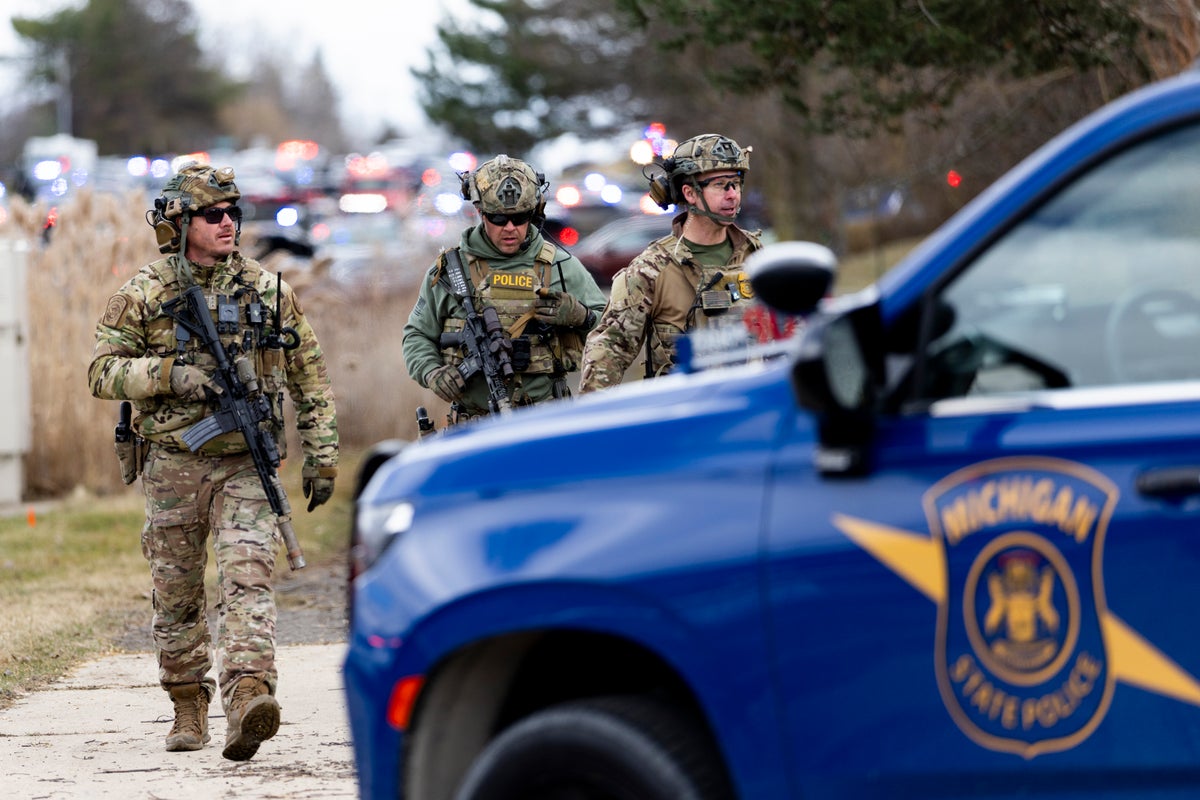
Michigan has recently seen a spike in investigations involving individuals allegedly inspired by foreign terror organizations. This isn't just a coincidence. Michigan houses some of the most diverse communities in the country, and while the vast majority of people are just trying to live their lives, extremist recruiters specifically target these areas to sow division. They use the ongoing conflict in the Middle East as a radicalization tool.
In New York, the situation feels even more urgent. The city remains the primary target for any group looking to make a global statement. Recent arrests involving individuals scouting transit hubs or public squares show that the intent hasn't faded. What's different now is the "low-tech" nature of the threats. You don't need a sophisticated bomb when a rented truck or a knife can cause mass panic. The FBI and local law enforcement are running ragged trying to track "flash to bang" cycles—the time it takes for someone to go from consuming extremist content to committing a violent act. That window is shrinking. It’s now sometimes a matter of days.
The Virginia Connection and the Iranian Shadow
Virginia often flies under the radar compared to New York, but its proximity to the capital makes it a massive security concern. We’ve seen a shift in the type of actors being monitored there. It’s no longer just about ISIS or Al-Qaeda. The threat from Iranian-backed elements or those sympathetic to Tehran's regional goals is rising.
The US government has been vocal about Iranian "hit squads" or proxies targeting dissidents and officials on American soil. This isn't spy novel fiction. It’s a documented reality. When the US engages in "gray zone" warfare with Iran—sanctions, cyberattacks, or supporting regional allies—Iran strikes back through asymmetric means. They use criminal networks or radicalized individuals to do their dirty work. This creates a messy, blurred line between state-sponsored terrorism and domestic extremism. It’s a nightmare for investigators who have to figure out if a suspect is a confused teenager or a paid asset of a foreign intelligence service.
The Iran War Factor and Domestic Blowback
War isn't contained by borders anymore. The conflict involving Iran and its proxies across the Middle East acts as a massive "accelerant" for domestic threats. Every time a missile hits a target in Beirut or Tehran, the digital chatter in extremist forums spikes.
Here’s what most people get wrong. They think the "terror threat" is a static number. It’s not. It’s a fluid environment that reacts to every headline. The heightened state of alert we’re seeing in 2026 is a direct result of the "perma-war" footing in the Middle East. People are angry. They feel helpless. That helplessness is a goldmine for recruiters. They offer a sense of purpose through violence.
FBI Director Christopher Wray has repeatedly warned that the "threat level has gone to a whole other level." He’s not being dramatic for the sake of a budget increase. He’s looking at the data. The number of open international terrorism investigations has surged. We’re seeing a "multitude of threats" all hitting at once. It’s a "perfect storm" scenario where foreign actors, domestic extremists, and state-sponsored proxies are all active at the same time.
The Problem with Soft Targets
Security at airports is tight. Government buildings are fortresses. But you can't protect every street corner in Brooklyn or every shopping mall in Arlington.
- Public Transit: Highly vulnerable and hard to secure without paralyzing the city.
- Religious Centers: Both synagogues and mosques have seen increased threats, creating a cycle of retaliatory fear.
- Political Rallies: In an election cycle, these become high-visibility targets for anyone wanting to cause chaos.
The shift toward "soft targets" means that the average citizen is now on the front lines. Law enforcement can't be everywhere. This leads to a climate of fear that, frankly, the terrorists are winning. They don't need to take down a building to succeed. They just need to make you afraid to take the subway.
How Technology Is Outpacing Prevention
The tools used to monitor threats are getting better, but so are the tools used to hide them. Encrypted messaging apps are the standard now. Intelligence agencies are often "going dark," unable to see the specific plans of a cell until it’s too late.
Then there’s the role of AI. We’re seeing deepfakes and automated propaganda being used to radicalize people at scale. You can now generate thousands of personalized recruitment messages in minutes. This isn't just a tech problem. It’s a social one. We’re losing the "battle of ideas" because the other side is faster and has no ethical guardrails.
Moving Beyond Simple Awareness
Just "being aware" isn't enough anymore. The US security apparatus is built for a different era. We need a fundamental shift in how we approach community policing and digital intelligence.
First, stop ignoring the link between foreign policy and domestic safety. What happens in the Middle East doesn't stay there. We need to be honest about the cost of regional escalations. Second, there has to be a more aggressive push against the "lone wolf" pipeline. This means working with tech companies to dismantle the algorithms that feed people a steady diet of radicalization.
The most important thing you can do is stay informed but not paralyzed. Understand that the goal of these threats is to change how you live. Don't let them. Report suspicious activity—the "See Something, Say Something" mantra is cliché, but it works—and stay skeptical of the inflammatory content you see on social media.
Check the official bulletins from the Department of Homeland Security (DHS) periodically. They provide the most grounded assessment of what’s actually happening versus the sensationalist noise on cable news. Hardening your own "cyber-hygiene" by reporting extremist content on platforms also helps more than you think. Law enforcement relies on these tips to build the bigger picture that leads to those arrests in Michigan and New York. The threat is real, but it’s not unbeatable if we stop acting like it’s a surprise every time it happens.

.jpg?width=1200&auto=webp&trim=0%2C0%2C0%2C0)