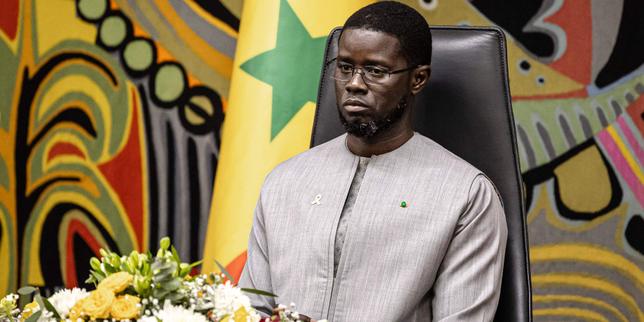
The dramatic collapse of Senegal's ruling partnership was not a sudden burst of personal animosity. When President Bassirou Diomaye Faye abruptly dismissed Prime Minister Ousmane Sonko and dissolved his entire cabinet, the fallout shook the West African political landscape. The political fracture was the direct result of an unsustainable economic contradiction. The administration tried to champion radical pan-African economic sovereignty while simultaneously managing a hidden $13 billion debt burden.
With a frozen $1.8 billion International Monetary Fund lending program and a looming $2 billion fuel subsidy shortfall, the government reached a breaking point. Faye chose pragmatism over ideology, replacing his firebrand ally with a technocratic central banker. This decision exposes the narrow choices available to Global South leaders trying to break free from Western financial systems while relying on foreign capital to survive. Meanwhile, you can find other stories here: The Caribbean Buildup is a Logistic Illusion that Cuba is Already Winning.
The Hidden Balance Sheet That Broke the Brotherhood
The partnership between Faye and Sonko was forged in opposition cells and built on the promise of a systemic break from the past. When they took office, they inherited a fiscal landscape that was far more damaged than public records suggested.
An audit of the previous administration’s accounts revealed hidden loans equivalent to roughly 25 percent of the country's economic output. This pushed Senegal's total public debt beyond 130 percent of gross domestic product. To see the complete picture, we recommend the recent analysis by The Washington Post.
This discovery triggered an immediate freeze on IMF disbursements. It left Dakar scrambling to cover basic operational expenses. The internal rift between the president and the prime minister widened over a fundamental question. Who should bear the pain of the cleanup?
- The Sonko Doctrine: Prioritized political sovereignty, rejected IMF-mandated austerity, and fiercely opposed any formal restructuring of foreign bonds.
- The Faye Pivot: Recognized that avoiding default required immediate re-engagement with global credit markets, even if it meant accepting painful structural conditions.
The final standoff occurred over a massive surge in energy costs. Finance officials warned that Senegal's domestic fuel subsidies could exceed budget allocations by up to $2 billion if international oil prices remained volatile. The finance ministry requested a targeted reduction in these subsidies to save the state budget. Sonko blocked the measure to protect his populist support base.
Faye chose to preserve the state's international creditworthiness over maintaining his political alliance. He dismissed the man who had engineered his rise to the presidency.
The Technocratic Shift and the Bondholder Dilemma
By appointing Ahmadou Al Aminou Lo as the new prime minister, Faye signaled an end to populist experimentation. Lo is a seasoned economist and a former senior official at the Central Bank of West African States. His background is tailored to reassure anxious international markets.
Senegal Imminent Debt Deadlines (Mid-2026)
┌──────────────────────────────────────┐
│ June: 582 billion CFA francs         │
├──────────────────────────────────────┤
│ July: 633 billion CFA francs         │
└──────────────────────────────────────┘
The market's initial reaction was swift and unforgiving. Senegalese sovereign dollar bonds dropped significantly following the political shakeup. Investors quickly realized that a technocratic government might view a structured debt overhaul as a practical necessity rather than an ideological defeat.
If the new administration decides to pursue a comprehensive debt restructuring under international frameworks, foreign commercial creditors will likely face substantial losses. A partial restructuring that targets foreign-currency Eurobonds while sparing domestic debt risks alienating international funds for a generation.
The immediate financial calendar leaves little room for policy experimentation. Senegal narrowly averted a default on a $471 million Eurobond payment. It now faces a 582 billion CFA franc obligation, followed closely by another 633 billion CFA franc maturity.
International partners have paused new funding lines. They are waiting to see if the new prime minister can present a viable financial recovery plan before releasing more capital.
The Illusion of the Hydrocarbon Lifeline
For years, policymakers in Dakar treated the country's upcoming offshore oil and gas projects as a guaranteed financial solution. The promise of future energy revenues allowed the state to borrow heavily to fund ambitious infrastructure projects, including new highways, stadiums, and a modern regional rail network.
This strategy turned out to be a classic development trap. The transition from discovery to actual revenue production has been delayed by technical challenges and contract disputes.
Treating unextracted fossil fuels as collateral for short-term loans left the state vulnerable when global financial conditions tightened. Instead of funding long-term domestic development, early energy revenues are now being diverted to service old debts.
Expected Hydrocarbon Revenue Allocation
┌───────────────────────────────────────────────┐
│ [████████████████████████████░░░░░] 85%       │
│ Debt Service & Sovereign Creditors            │
├───────────────────────────────────────────────┤
│ [███░░░░░░░░░░░░░░░░░░░░░░░░░░░░░░] 15%       │
│ Domestic Development & Social Programs        │
└───────────────────────────────────────────────┘
Relying on resource extraction to escape a debt crisis often creates a structural cycle. To extract the oil, the state must partner with foreign multinational corporations, which requires capital-intensive investments. This process forces the government to take on more foreign-denominated debt, leaving the country vulnerable to fluctuations in global commodity prices.
Seeking Alternatives Beyond Western Capital
The new prime minister faces a difficult balancing act. He must negotiate with the IMF to unlock frozen funds while honoring the administration's core promise to build an independent economy. The president has attempted to soften the impact of this financial tightening by launching localized economic programs.
Localized Capital Alternatives
- Agricultural Restructuring: Directing state funds toward crop storage facilities to reduce food imports and protect local farmers from market price drops.
- The Solidarity Economy: Investing in microfinance networks to support small, domestic enterprises that operate outside formal banking channels.
- South-South Financing: Attempting to renegotiate infrastructure loans with non-Western creditors, seeking to convert cash repayments into direct investments in local processing plants.
These domestic programs cannot replace the large volumes of foreign exchange needed to service the country's immediate international debts. Regional neighbors are watching Senegal's situation closely. If a stable democracy with strong institutions can be forced into austerity by hidden liabilities, it highlights the broad vulnerabilities facing developing economies across the region.
The incoming prime minister has stated that the country's public finances are in a critical state. Resolving this crisis will require tough choices. The administration must find a way to balance the demands of international bondholders with the expectations of a young population that voted for fundamental economic change. Senegal's political stability depends entirely on its ability to navigate this narrow financial path.