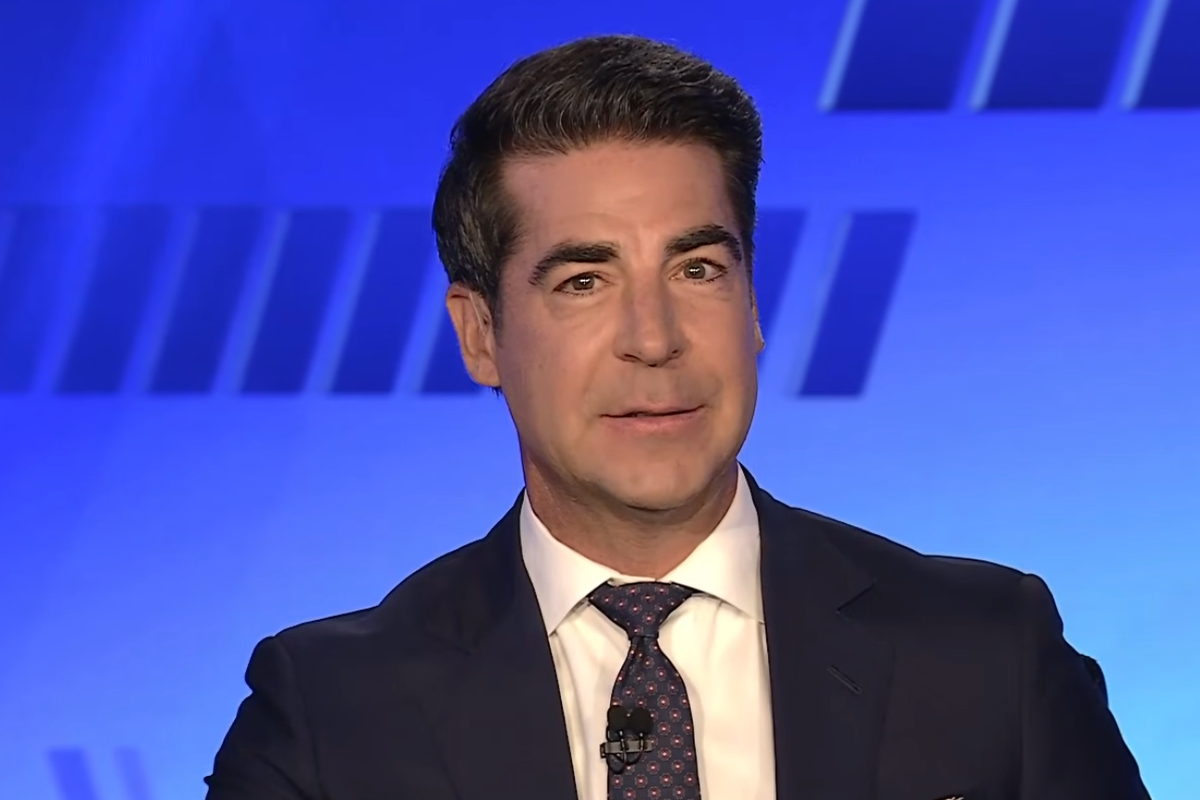
When cable television host Jesse Watters sparked widespread mockery by asserting that women ruin their romantic lives by pursuing college degrees, he was deploying a familiar political tactic. He transformed a complex demographic shift into a moral failure of individual women. The claim that higher education sabotages a woman's chances at romantic fulfillment is standard fare for primetime outrage algorithms, but it completely reverses cause and effect. Women are not pricing themselves out of the relationship market by earning degrees. The modern dating ecosystem is fracturing because economic conditions, educational attainment gaps, and political polarization have radically rewritten the rules of American partnership.
For decades, political commentators have sold a simplified narrative about romantic friction. They frame female academic success as an unnatural barrier to marriage. Yet every major sociological metric reveals that the most educated women in America are actually the most likely to get married and stay married. What pundits like Watters call a lifestyle crisis is actually a structural transformation in how adults select partners, pool financial resources, and build long-term households.
The Demographics Behind the Media Provocation
Cable news commentary thrives on emotional triggers rather than statistical rigor. When a host tells millions of viewers that women are getting educated at the expense of their own happiness, it serves a specific narrative function. It reassures a struggling male viewership that their romantic difficulties stem from female hubris rather than systemic economic shifts.
The numbers tell an entirely different story. Today, women earn roughly 60 percent of all undergraduate degrees in the United States. They hold a clear majority of master's degrees and doctorate degrees across higher education. This educational imbalance did not happen overnight. It represents a multi-decade trend where young men have steadily dropped out of post-secondary education or chosen not to enter at all.
When women graduate from universities, they enter a workforce that increasingly demands specialized credentials for middle-class survival. Expecting college-educated women to reverse their economic progress to satisfy traditional romantic expectations is fundamentally unrealistic. Women pursued degrees because the modern economy penalizes uncredentialed labor, not because they wished to shrink their dating pool.
The friction arises because marital patterns historically relied on educational assortative mating, the tendency of human beings to marry partners with similar educational backgrounds. As the ratio of female graduates to male graduates widened, the pool of traditional matched partners contracted dramatically.
How Cable Commentary Sells Culture War as Relationship Advice
Media figures do not analyze dating trends to solve interpersonal loneliness. They do it to drive engagement through outrage. Pundits trade in nostalgia for a mid-century domestic arrangement that relied on structural economic dependency.
In the 1950s and 1960s, marriage was frequently an economic survival strategy for women who lacked access to credit, high-paying corporate roles, or financial independence. Under that framework, a woman did not need a college degree to secure stability. In fact, advanced education was often viewed as a financial liability or an unnecessary distraction from domestic management.
By resurrecting this talking point, commentators pretend that modern women can simply choose to return to 1955. They ignore the fact that the single-income family capable of supporting a suburban household on a high school diploma has largely vanished from American life.
This media strategy exploits real anxiety. Young men feel left behind by an economy that has systematically dismantled manufacturing jobs and unionized trades without providing viable replacement paths into the middle class. Rather than addressing industrial decline or training deficits, political commentators redirect male frustration toward educated women. It transforms a broad structural crisis into a gender war.
The Myth of the Unmarriable Graduate
Conservative talking heads frequently claim that high-earning, educated women are chronically single because men are intimidated by their success. The academic data stubbornly refuses to support this claim.
Social scientists studying marital stability consistently find that college-educated women marry at high rates, even if they marry slightly later in life. Furthermore, marriages where both partners hold college degrees feature the lowest divorce rates in the country. Education provides a powerful buffer against financial instability, which remains the single leading cause of marital stress and divorce.
The real marriage drop has not occurred among high-achieving women. It has occurred among working-class Americans without college degrees, where economic precarity makes long-term domestic commitments far riskier. Pundits who blame college degrees for killing romance are focusing on the precise demographic segment that actually enjoys the highest marital longevity in the country.
The Male Academic Slip and the Marriage Squeeze
Understanding the modern dating fracture requires looking closely at what is happening to young men in high school and college.
Men are dropping out of higher education at unprecedented rates. They face higher rates of academic failure in primary school, lower rates of high school graduation, and declining enrollment across four-year universities. Meanwhile, blue-collar industries that historically offered family-sustaining wages without a college credential have faced decades of automation and foreign competition.
This phenomenon creates what demographers call a marriage squeeze. When a specific demographic group advances significantly in income and education while another group stagnates, traditional partner matching breaks down.
Consider a hypothetical community where 60 out of 100 college graduates are women, while only 40 are men. Even if every single college-educated man marries a college-educated woman, 20 college-educated women are left without an educationally matched male partner. These women are then forced to decide whether to marry down educationally, remain single, or wait longer for an ideal match.
When high-achieving women express frustration with the dating pool, they are reacting to a genuine shortage of socioeconomically compatible partners. They are not rejecting marriage out of spite. They are responding rationally to an imbalanced marketplace.
Economic Realities versus Nostalgic Fantasy
The cost of living in major metropolitan areas has skyrocketed over the past three decades. Housing, healthcare, childcare, and higher education have all outpaced wage growth for average workers. In this environment, a household with two college-educated earners enjoys a massive financial advantage over a single-income household.
Dual-degree couples pool higher wages, gain access to better employer-sponsored health coverage, and accumulate wealth at significantly faster rates. They buy homes earlier and invest more in their children's development.
The idea that women should abandon higher education to protect male ego actively harms the financial security of modern families. In the current economic climate, a partner with a degree and strong earning power is an invaluable financial asset, not a romantic impediment. Pundits advising young women to forego degrees are effectively advising them to accept long-term economic vulnerability.
Furthermore, hypergamy, the practice of marrying someone of higher social or economic status, is undergoing a profound cultural evolution. Women are increasingly comfortable being the primary or equal earner, provided their partner contributes meaningfully through emotional maturity, shared domestic labor, and clear life goals. The friction in these relationships rarely stems from the woman's diploma. It stems from unequal divisions of domestic responsibility and mismatched expectations regarding partnership.
The Real Friction in Modern Intimacy
If education itself does not ruin relationships, what explains the widespread dissatisfaction in today's dating environment?
The core issue is a widening political and cultural divide between young men and young women. Over the past decade, young women have moved steadily to the left on social, political, and cultural issues. At the same time, young men have largely remained stagnant or drifted toward conservative populism.
Higher education plays an undeniable role in this divergence. Universities do not just grant vocational credentials. They expose students to diverse perspectives, social theories, and cosmopolitan environments. As women earn degrees at higher rates, they absorb progressive cultural values that clash directly with traditional conservative views on gender roles and politics.
When an educated woman rejects a potential partner, the conflict is rarely about the piece of paper on her wall. It is about fundamentally incompatible views regarding personal autonomy, political priorities, and daily values. A woman who values bodily autonomy, climate action, and social equity is unlikely to find long-term compatibility with a partner whose worldview is shaped by right-wing media commentary.
This ideological gap creates real barriers to intimacy. Dating apps and social media algorithms exacerbate the problem by sorting users into echo chambers, making cross-ideological communication even rarer.
The Failure of the Punditry Class
Commentators like Watters offer simplistic scapegoats because real structural solutions are difficult to articulate in a two-minute television segment. Addressing the genuine crisis facing young men requires sweeping policy interventions. It requires reinvesting in primary education, revitalizing vocational training, supporting trades, and addressing male mental health crises.
Blaming women for getting degrees is cheap political theater. It allows media figures to posture as defenders of traditional family values while offering zero actionable solutions for the working-class men who tune in every night.
By telling men that educated women are their enemies, media personalities reinforce the very isolation they claim to lament. They encourage young men to resent female achievement rather than adapting to the demands of a modern economy that values emotional intelligence, communication skills, and specialized training.
The Reality of the Modern Relationship Marketplace
The modern dating market is not broken because women decided to learn history, economics, or medicine. It is breaking under the weight of an economic system that leaves uncredentialed workers behind and a political landscape that turns personal identity into a battleground.
Women will not stop pursuing higher education to fix the feelings of TV hosts or insecure suitors. They will continue to earn degrees because personal independence and economic security are mandatory requirements for navigating the 21st century.
The path forward for men does not lie in demanding that women lower their standards or abandon their intellectual ambitions. It lies in building a culture that supports male educational achievement, values genuine egalitarian partnership, and rejects the cynical media narratives that profit from keeping men and women at war.