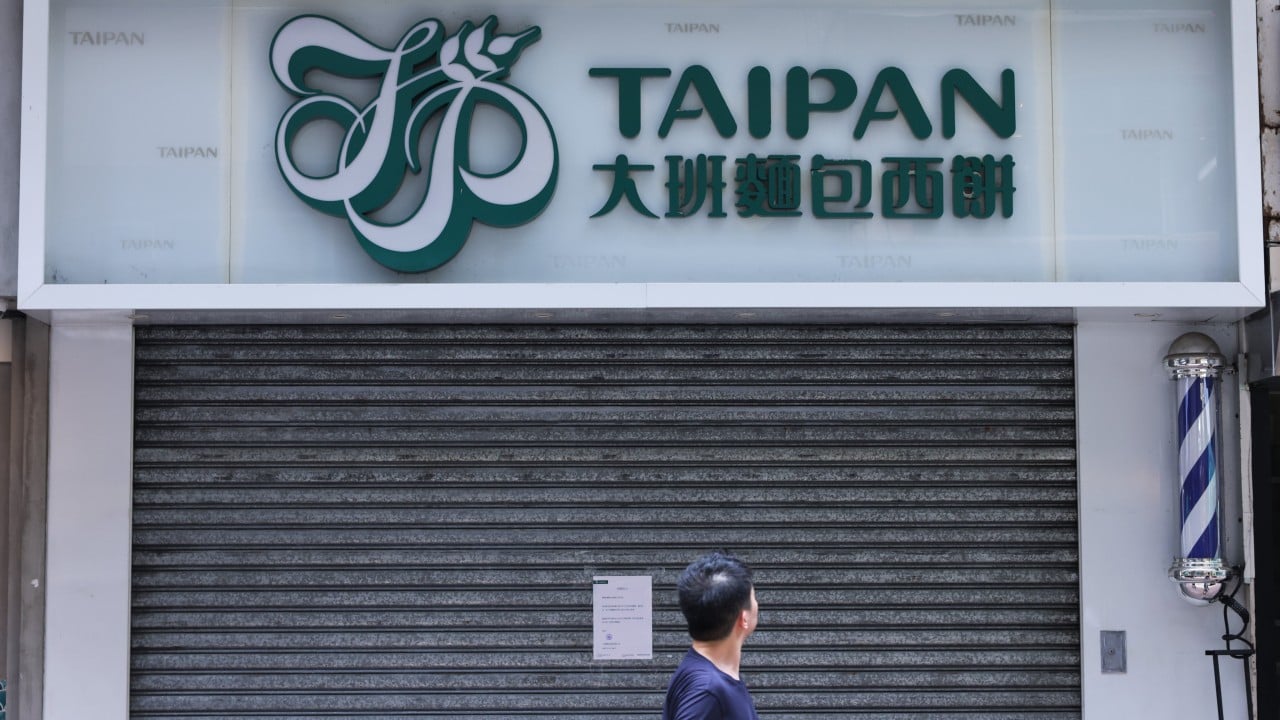
When a Hong Kong court hands down a HK$251,800 fine to a defunct local bakery chain for failing to pay its workers, the headline seems straightforward. It reads like a simple tale of corporate negligence, a regulatory slap on the wrist, and a warning to other employers. But looking at this penalty as an isolated incident misses the entire structural crisis tearing through Hong Kong’s retail and catering sectors.
The fine itself is a drop in the ocean compared to the systemic rot it exposes. In reality, these statutory penalties are lagging indicators of a much larger, brutal economic reckoning. Local food and beverage brands are being crushed by a toxic mix of shifting consumer habits, unsustainable real estate dynamics, and a regulatory framework that punishes struggling businesses long after the damage is done. The punitive approach of the Labor Department does nothing to protect workers or salvage businesses; it merely acts as an autopsy report on a retail model that is fundamentally broken.
The Mirage of Statutory Deterrence
The formal prosecution of a closed corporate entity provides a comforting illusion of justice. The government demonstrates its teeth, the Labor Department issues a stern press release reminding employers that wages must be paid within seven days of the wage period's end, and the public moves on.
But what does a HK$251,800 fine actually achieve when a company is already liquidated?
- The Money is Gone: Fines leveled against a defunct company rank behind secured creditors and liquidator fees. The cash rarely exists to pay the government, let alone the desperate employees holding unpaid salary slips.
- The Caps on Relief: Displaced workers are forced to turn to the Protection of Wages on Insolvency Fund. This government safety net is notoriously slow, heavily bureaucratic, and capped at rates that fail to cover senior staff or long-term benefits adequately.
- The Delayed Accountability: Criminal prosecutions against directors require proving willful intent "without reasonable excuse." By the time the legal machinery grinds to a result, months or years have passed.
The current enforcement mechanism treats wage theft as a standalone corporate crime rather than the predictable final stage of a retail liquidity crisis. When a business begins delaying salaries or skipping Mandatory Provident Fund (MPF) contributions, it is already in the advanced stages of economic asphyxiation.
The Unforgiving Math of Hong Kong Real Estate
To understand why local food brands are dropping like flies, one has to look at the commercial lease structure. For decades, Hong Kong landlords have held absolute leverage over retail tenants. Even when foot traffic plummeted during economic downturns, commercial rents remained stubbornly sticky, insulated by long-term leases and landlord cartels.
When a retail chain faces a cash crunch, a dangerous hierarchy of payments emerges.
Landlords are paid first. They possess the immediate legal right to seize premises, lock out operations, and trigger cross-default clauses across an entire retail network. Suppliers are paid second, because without raw ingredients, the daily cash register stops ringing entirely. Workers, unfortunately, are paid last.
A retail operator will routinely empty the tills across multiple branches to satisfy a major landlord or a critical supplier, hoping against hope that next month’s revenue will cover the back wages. By the time the Labor Department steps in, the corporate shell has been picked clean. The fine is levied against an empty corporate husk, leaving the taxpayer to foot the bill via insolvency funds while the original landlords simply sweep the floors and look for the next tenant.
The Shenzhen Drainage System
The operational crisis is being compounded by a massive, structural shift in consumer behavior that traditional Hong Kong businesses were completely unprepared to handle. The opening of cross-border infrastructure and the post-pandemic normalization of travel have created what local analysts call the "Shenzhen Weekend Drainage."
Every Friday evening, hundreds of thousands of Hong Kong residents travel north to mainland China.
They are searching for, and finding, significantly cheaper dining, entertainment, and retail options. The price differential is staggering. A consumer can buy a premium pastry or a full meal in Shenzhen for a third of the cost of its equivalent in mid-tier Hong Kong establishments.
This is not a temporary trend; it is a permanent structural re-alignment of regional consumption. Local bakery and catering chains built their business models on high-volume, high-margin domestic spending. With that domestic spending leaking across the border every single weekend, the math no longer works. The fixed costs of operating a physical shop front in Hong Kong—predicated on historical foot traffic data—have become a financial death sentence.
Prepaid Coupon Traps and the Liquidity Illusion
As cash flow dries up, struggling retail chains frequently turn to a highly volatile mechanism to stay afloat: the aggressive sale of prepaid vouchers and coupons.
On paper, prepaid coupons look like brilliant financial instruments. They provide immediate, interest-free working capital that a business can use to settle immediate debts. In practice, they create a massive, unregulated shadow liability.
When a chain sells thousands of wedding cake coupons or cash vouchers at a steep discount during public exhibitions, it is effectively borrowing money from its future self. Every coupon redeemed down the line represents a transaction with zero incoming cash flow but real operational costs in terms of labor and ingredients.
[Aggressive Coupon Sale] -> [Immediate Cash Inflow] -> [Used to Pay Overdue Rent/Suppliers]
                                                                  |
[Massive Drop in Cash Sales] <- [Future Customers Redeem Coupons Without Paying Cash]
                                                                  |
[Liquidity Collapse & Sudden Closure]
When the music stops, the collapse is sudden and chaotic. Customs and Excise officials are forced to step in to arrest executives under the Trade Descriptions Ordinance for wrongly accepting payments when they knew the business could not fulfill the orders. The workers are left standing outside locked metal shutters, holding worthless rosters, while consumers hold handfuls of unredeemable paper vouchers.
Moving Past Retrospective Punishment
Fixing this systemic failure requires moving away from retrospective judicial fines and toward real-time financial oversight. Expecting a quarter-million-dollar penalty to deter a bankrupt company is a triumph of hope over experience.
The government must establish early-warning financial triggers linked directly to the MPF contribution system. If a retail employer misses a single month of pension contributions or wage payments, it should trigger an automatic, mandatory financial review by regulatory authorities, long before the liabilities balloon into millions of dollars.
Commercial tenancy laws must also be reformed to allow for flexible, turnover-based rents during periods of documented retail recessions, preventing landlords from cannibalizing the working capital meant for employee salaries. Until the underlying structural imbalances of rent, cross-border competition, and predatory prepayment schemes are addressed, the shuttering of local chains will continue. The courts will keep handing down fines to empty offices, and the city's retail workers will continue to pay the ultimate price.