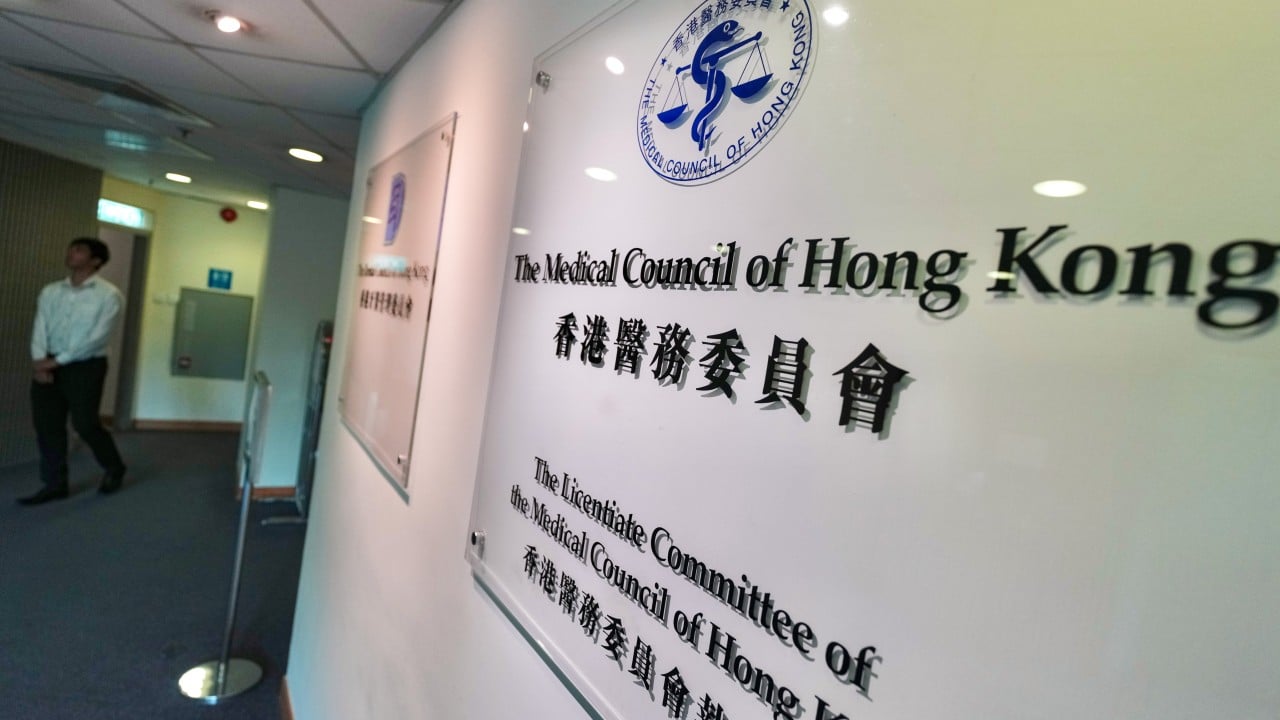
A systemic breakdown within Hong Kong’s medical regulatory system allowed a clear-cut case of infant medical negligence to languish in administrative limbo for nearly fifteen years. The regulatory failure, which left a newborn permanently disabled, only reached a verdict after public outcry forced a sudden policy reversal. When the Medical Council of Hong Kong handed down a nine-month suspension to pediatrician Dr. Sit Sou-chi in July 2026, it exposed a deeply entrenched culture of institutional protectionism and administrative inertia within the civil service support teams that manage healthcare complaints.
The delay is not an isolated administrative backlog. It represents a structural flaw in how the city polices its medical professionals. For a decade and a half, the family of Li Yuanjian, a boy left with severe cerebral palsy and quadriplegia after a 2009 hospital blunder, waited for answers. The case was repeatedly deferred, quietly shelved, and at one point entirely terminated, until an investigation by the Ombudsman and an emergency legislative push forced accountability.
An Infant Left Behind While a Doctor Slept
The underlying medical failure occurred in 2009 at Baptist Hospital. Li Yuanjian was born to a couple who traveled from the mainland for the birth. Shortly after delivery, the newborn showed critical signs of distress, including milk vomiting, limb stiffness, and rapidly dropping oxygen levels. These were classic indicators of Group B streptococcal meningitis, a bacterial infection requiring immediate medical intervention.
The attending nurse contacted Dr. Sit Sou-chi to report the deteriorating condition. Instead of making the fifteen-minute drive back to the hospital to examine the infant, Sit remained at home to sleep. He instructed the nurse over the phone to place the baby in an incubator and skip a feeding.
He chose convenience over duty. The prosecuting attorney for the Secretariat of the Medical Council, Mike Lui Sai-kit, later characterized this decision as a total disregard of professional obligation. Sit did not return to the hospital until the following morning. By then, the window for preventing catastrophic neurological damage had closed. The infant suffered severe seizures, resulting in lifelong brain damage.
During the disciplinary hearings, a sharp contrast emerged between the doctor’s recollections and the documented hospital logs. Sit claimed he had taken prompt remedial action and described his actions as an isolated incident. The inquiry panel, however, rejected his testimony as dishonest and contradictory to the records kept by the nursing staff. The panel noted that the doctor’s continued denial of the severity of the situation showed a complete lack of remorse, which ultimately led to the straight nine-month suspension without probation.
The Strategy of Endless Postponement
The medical facts were clear by 2010 when the parents filed their initial complaint. Yet, the formal disciplinary process ground to a halt. In Hong Kong’s regulatory framework, a complaint must pass through a multi-tiered review process managed by the Medical Council’s Secretariat, which is staffed by civil servants from the Department of Health.
Legal teams representing doctors routinely exploit this framework. By requesting endless extensions, challenging expert witness submissions, and raising procedural technicalities, defense lawyers can stretch preliminary investigations across multiple years. In this case, the proceedings were repeatedly delayed at the direct request of the defense.
The system permits these tactics because it lacks statutory timelines for handling complaints. A case can sit in a preliminary stage indefinitely if the administrative staff lacks the will or the authority to push back against legal stalling mechanisms. The structural paralysis became obvious when the case was officially postponed in 2016 and then quietly terminated by the Medical Council in late 2025 without a full hearing.
This termination caused immediate public outrage. The idea that a medical professional could avoid a public hearing simply by outlasting the administrative patience of the regulatory body threatened to destroy what little public confidence remained in the system. Under intense external pressure, the Inquiry Panel took the rare step of reviewing its own decision, restarting the inquiry on its own initiative in November 2025, and wrapping up the trial within eight months. The sudden acceleration proved that the previous fifteen-year delay was a matter of bureaucratic choice, not procedural necessity.
Institutional Protectionism and the Collapse of Oversight
The scandal has now shifted from a single doctor’s misconduct to a sweeping investigation into the civil service. Ombudsman Jack Chan Jick-chi launched a direct probe into the Boards and Councils Office, the specific administrative branch of the government responsible for providing secretariat support to healthcare regulatory bodies.
The investigation aims to uncover how an executive team could allow a catastrophic injury complaint to sit unaddressed for over a decade. Investigators are examining whether civil servants committed gross negligence or active misconduct by failing to schedule hearings, lose track of vital correspondence, or intentionally defer to the timeline preferences of the defense.
Statutory bodies like the Medical Council rely entirely on these civil service secretariats to manage their dockets. When the secretariat fails to act, the entire judicial mechanism of the medical sector freezes. This dynamic creates an environment where self-regulation functions as a shield for professionals rather than a safeguard for the public.
Medical sector lawmaker David Lam Tzit-yuen publicly noted that such extreme delays are indefensible. The historical reality is that the Medical Council has long operated with a massive backlog, partly because the system relies heavily on part-time panel members who are practicing doctors themselves, and partly because the administrative staff treats complaint management as a routine clerical task rather than an urgent exercise in public safety.
The High Price of Bureaucratic Inaction
While administrative bodies debated procedures, the human cost of the delay mounted. Li Yuanjian is now a seventeen-year-old youth requiring constant, round-the-clock care. He is currently placed at a specialized school, but that institutional arrangement legally ends when he turns eighteen.
His parents face a bleak transition. They are currently stuck in a long queue for government-subsidized residential care homes for adults with disabilities, a system notorious for years-long waiting lists. Because the disciplinary verdict took sixteen years to materialize, the family was unable to leverage an official finding of professional misconduct in civil courts to secure the financial compensation needed to fund private medical care.
The delay effectively protected the financial and professional standing of the negligent physician while shifting the economic and physical burden of care entirely onto the victims and the public welfare system. The family is now forced to explore civil lawsuits late in the day, chasing compensation that should have been settled a decade ago.
Cheng Chi-man, president of the Hong Kong Medical Association, noted that long disciplinary timelines deeply wound the families of victims and erode the structural integrity of the entire healthcare system. When accountability is delayed by half a generation, the deterrent effect on medical misconduct is completely lost.
A Forced Reform and the Path to Accountability
The government has recognized that public anger over this case threatens institutional stability. In response, authorities gazetted the Medical Registration Amendment Bill 2026. This legislative package represents a direct attempt to strip away the structural bottlenecks that allowed the fifteen-year delay to occur.
The proposed law introduces sweeping changes to the composition of the Medical Council, increasing the number of lay members to dilute the influence of protective medical associations. More importantly, it mandates clear, legally binding timeframes for the processing of medical complaints, removing the unchecked discretion previously enjoyed by the administrative secretariat.
The new bill also seeks to fast-track future healthcare complaints by creating independent, full-time investigative units. These units will replace the slow, ad-hoc committee structures that allowed Dr. Sit’s legal team to delay proceedings for so long.
The success of these reforms will depend entirely on a cultural shift within the civil service. If the secretariats continue to view their roles through a lens of risk aversion and procedural box-checking, new timelines will simply lead to rushed dismissals rather than thorough inquiries. True accountability requires an administrative framework that views patient protection as its primary duty, ensuring that no family is ever again forced to wait sixteen years to hear a regulatory body confirm what they already knew.