Asia isn't quiet right now. Headlines from Singapore to Bangkok reveal a region wrestling with fundamental questions about governance, wealth, and public dissent. If you only look at surface-level summaries, you miss the actual friction driving these developments. Governments are making high-stakes financial gambles while citizens push back in ways rarely seen in modern capitals.
Singapore Breaks a Fifteen-Year Freeze on Ministerial Pay
Let's talk about money. Big money. Singapore just pushed Prime Minister Lawrence Wong's benchmark annual salary up to S$3.6 million, roughly US$2.8 million. That's a massive 64 percent jump for the top job, alongside broader ministerial pay increases of up to nine percent.
Numbers like that sound staggering to everyday workers. Honestly, they sound staggering to anyone outside corporate boardrooms. But you have to understand the logic Singaporean leaders rely on. They argue that paying politicians multi-million dollar salaries keeps corruption out and attracts top-tier corporate talent who could otherwise make fortunes in the private sector.
Singapore hasn't raised these salaries in fifteen years. The last review was deferred, pushed back, and carefully managed until the political cost of waiting became too high. Prime Minister Lawrence Wong even pledged to donate his specific salary increase to charitable causes during his term, acknowledging how politically sensitive the optics are.
Yet, public reaction remains deeply divided. When you walk through neighborhoods in Singapore, working professionals earning standard wages look at these figures and shake their heads. They wonder how leaders making millions can fully grasp the daily pinch of inflation and housing costs. The government insists that transparent, high-end pay is the only guardrail against systemic decay. Critics counter that it creates an empathy gap between the ruling elite and the electorate. Both things can be true at the same time.
Bangkok Sees Rare Public Demonstrations
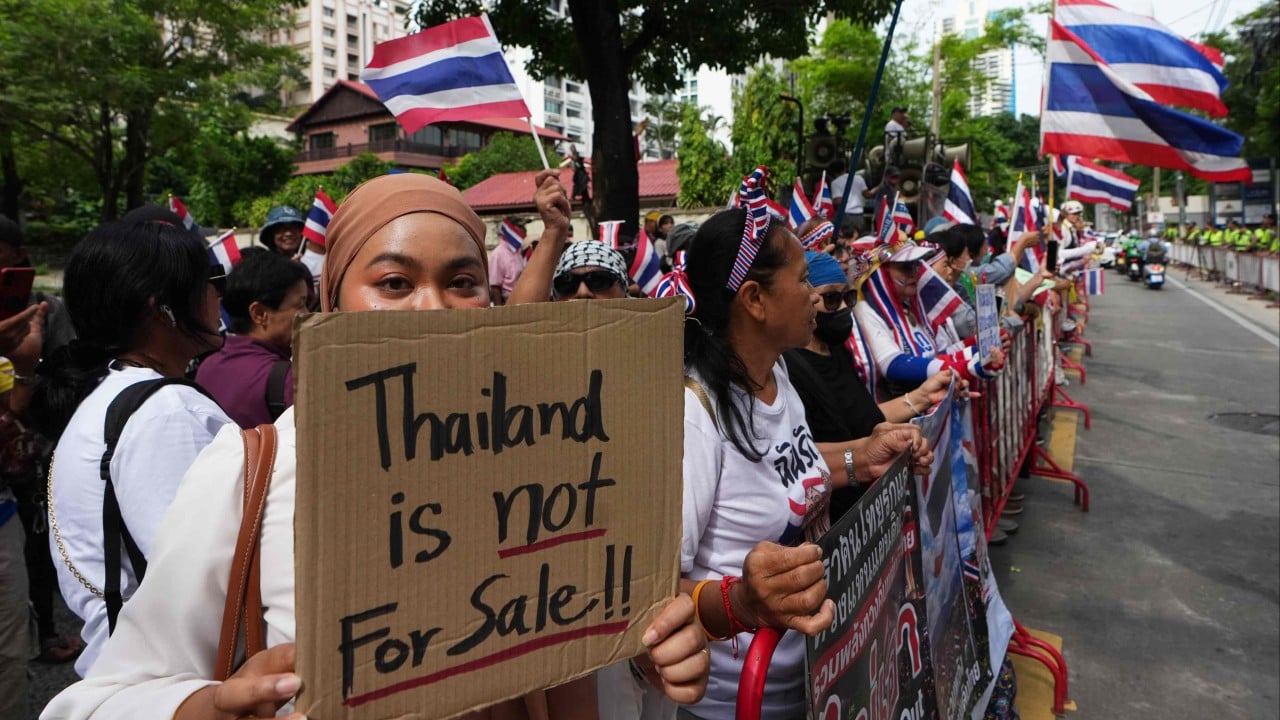
Shift north to Thailand, and the political energy looks entirely different. Hundreds of demonstrators recently gathered outside the Israeli Embassy in Bangkok, staging a public protest that caught many regional observers off guard.
Thailand isn't a place where foreign policy protests happen every day, especially outside embassies. Public assemblies are tightly monitored, and diplomatic sensitivities run high. The demonstration, led by veteran political figures, highlighted growing grassroots engagement with global conflicts that hit close to home, particularly involving Thai migrant workers and international diplomacy.
When Thais take to the streets over Middle Eastern geopolitics, it signals a shift in how local populations connect domestic anxieties with international events. It's messy. It's unpredictable. And it forces authorities to balance free expression with delicate foreign alliances. Leaders find themselves walking a very tight diplomatic tightrope, trying to maintain trade and diplomatic ties while domestic pressure mounts.
The Cost of Elite Governance Versus Grassroots Realities
When you put Singapore's boardroom-level salaries side-by-side with Bangkok's street protests, a broader theme emerges across Southeast Asia. Governments are trying to project strength and stability through technocratic perfection, while citizens are demanding accountability that goes far beyond institutional press releases.
In Singapore, the state relies on the premise that exceptional competence justifies exceptional compensation. They believe that if you want the best pilots flying the national plane, you have to pay airline prices. But governance isn't just an airline flight. It's a social contract. When the pay gap between the rulers and the ruled widens into millions of dollars, the emotional distance grows too. Trust becomes harder to manufacture through spreadsheets and policy papers.
Meanwhile, in Thailand, political expression often spills onto asphalt because institutional channels feel too narrow or unresponsive. People don't march outside embassies just for fun. They do it because they feel unheard by traditional diplomatic channels. Street protests are the loudest megaphone available when official doors stay bolted shut.
What Most Observers Get Wrong About Regional Stability
Commentators love to categorize Asian politics into neat little boxes. They call Singapore a sterile technocracy and Thailand a perpetual cycle of turbulence. Both labels are lazy.
Singapore's political model faces real internal stress tests now that a new generation of voters expects more than just economic growth and clean streets. They want empathy, equity, and a voice in how wealth is distributed. Ignoring the psychological impact of a S$3.6 million ministerial paycheck is dangerous, no matter how clean the government balance sheets look.
Similarly, reducing Thai protests to brief flashes of unrest misses the underlying maturity of an electorate that cares deeply about international justice and human rights. People are paying attention. They connect the dots between foreign policy decisions and their own safety, labor rights, and national dignity.
Governments across the region can no longer rely on old playbooks. Citizens are watching the ledger, questioning the pay packets, and showing up at embassy gates. The friction you see today isn't an anomaly. It's the new baseline for governance in Asia.