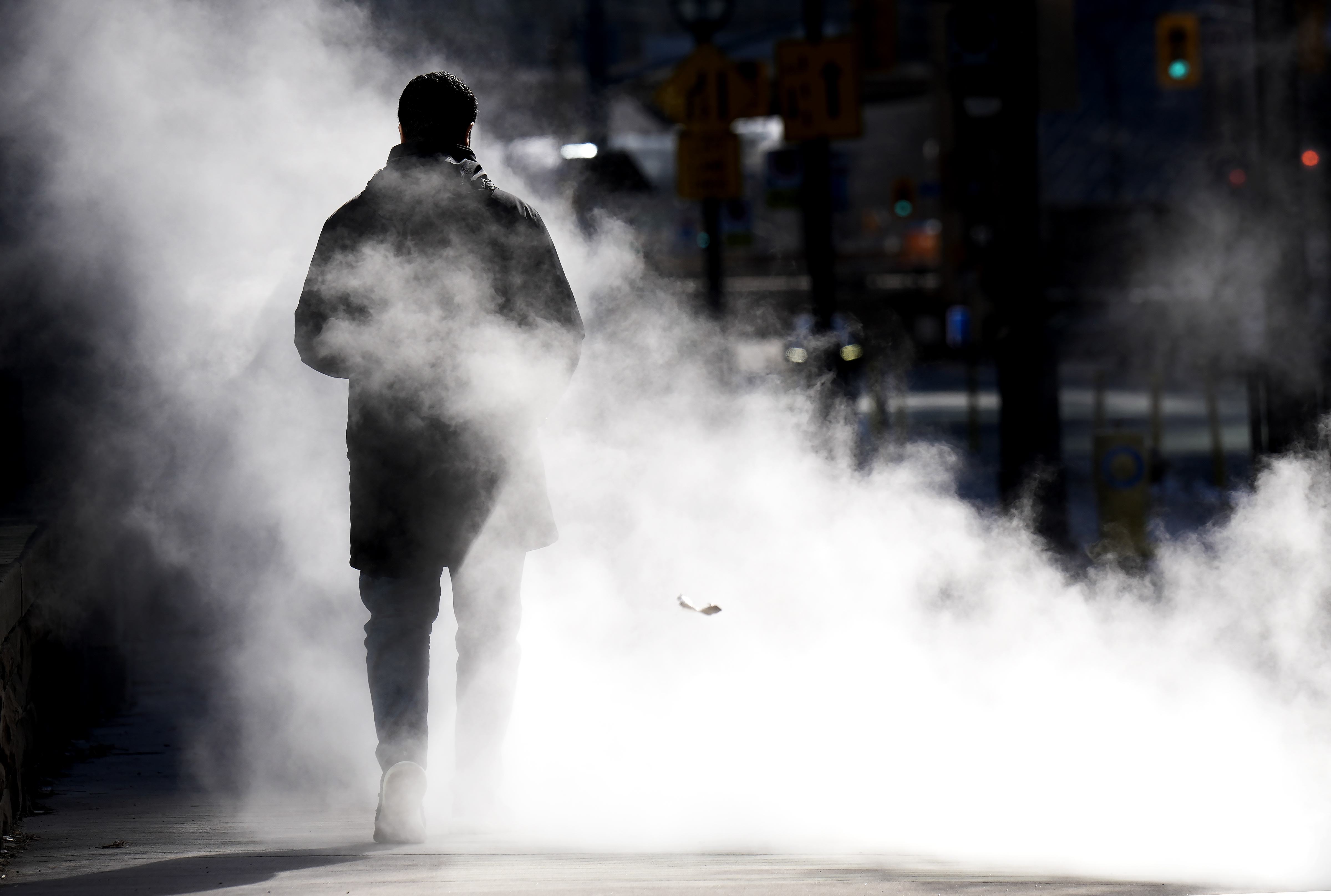
Ontario is currently trapped in a seasonal limbo that refuses to break. While standard weather reports focus on the anticipation of double-digit temperatures, the reality is far more clinical. We are witnessing a systemic "dual-peak" stress event where the province’s infrastructure, economy, and public health are being pushed to a breaking point by a winter that has overstayed its welcome. This is not just about a few extra weeks of wearing parkas; it is about a fundamental shift in how the province functions during the transition from March to April.
The primary driver of the current malaise is a weak La Niña that has persisted into its fifth cycle in six years. This atmospheric stubbornness has locked Ontario into a pattern of "on-and-off" snow and rain that prevents the ground from thawing and the collective psyche from recovering. But while the average resident complains about the damp cold, the Independent Electricity System Operator (IESO) is staring at a much more dangerous set of numbers.
The Grid Under Siege
For decades, Ontario was a summer-peaking province. We built our electrical capacity to handle the scorching July afternoons when every air conditioner in the GTA hums at once. That has changed. The rapid adoption of electric vehicles and air-source heat pumps has turned Ontario into a dual-peak jurisdiction. The grid is now under just as much strain on a dark, wet Tuesday in March as it is in the dead of August.
This winter, the value of "Demand Response"—essentially paying large industrial facilities to shut down during peak hours to save the grid—skyrocketed to over $171,000 per megawatt-year. This is a 163% increase from previous years. It is a desperate premium paid because the province’s energy margin has become razor-thin. With the Pickering "B" nuclear station preparing for its inevitable 2026 renovation shutdown, we are losing 2,000 megawatts of baseload power. When the winter drags on, we are forced to rely on expensive, carbon-heavy imports from New York and Quebec, both of which are facing their own electrification shortages.
The "warm days" promised by meteorologists come with a hidden invoice. As the temperature fluctuates around the freezing mark, the freeze-thaw cycles do more than just create potholes. They stress a transmission system that was never designed for this level of year-round volatility.
The Economic Freeze
While the provincial government forecasts a modest GDP growth of 1.4% for 2026, those numbers are heavily caveated by the weather. The "sugaring season" for Ontario’s maple syrup producers—a vital part of the rural economy—is becoming shorter and increasingly erratic. Sap flows require a specific dance of daytime warmth and nighttime frost. When winter "drags on" with consistent, damp cold rather than clear freeze-thaw cycles, the yields plummet. In some regions, production has already seen a 40% decline over the last two decades.
Small businesses, already reeling from trade uncertainty and high interest rates, are finding that the extended winter is a silent killer of consumer foot traffic. Only 23% of Ontario business owners report confidence in the current economy. A late spring means delayed construction starts, deferred landscaping contracts, and a retail sector that is stuck holding winter inventory while consumers are mentally ready for summer.
The Mental Health Deficit
There is a clinical term for what Ontarians are feeling right now: cumulative seasonal fatigue. This goes beyond the "winter blues." Data from the Canadian Mental Health Association suggests that the lack of natural light in this prolonged 2026 transition is disrupting circadian rhythms at a time when most people have already exhausted their internal reserves.
In January, the conversation was about "Blue Monday," but the real crisis is the "March Slump." When the calendar says spring but the sky says November, the brain's production of serotonin remains suppressed while melatonin levels stay high, leading to pervasive fatigue and a measurable drop in workplace productivity. For the 15% of Canadians already meeting the criteria for anxiety or mood disorders, this extension of winter is not an inconvenience; it is a health emergency.
The Infrastructure Time Bomb
We are also paying for this weather in concrete and asphalt. The prolonged moisture and fluctuating temperatures are the perfect recipe for "frost heaves." Roads are being literally ripped apart from the inside out as water seeps into cracks, freezes, expands, and then thaws. The City of Toronto and surrounding municipalities are facing a maintenance backlog that grows with every additional week of sub-zero temperatures.
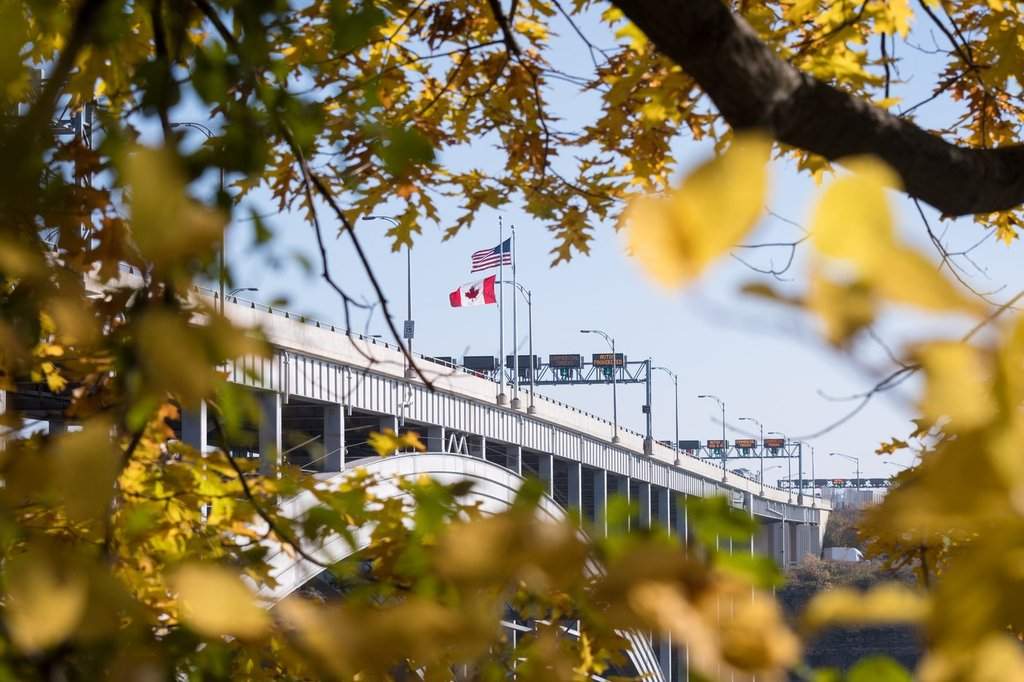
This isn't just about car repairs. It’s about the structural integrity of the bridges and overpasses that form the backbone of the provincial supply chain. The more we cycle through these "mini-winters" in late March, the faster our 20th-century infrastructure reaches its expiration date.
The "warmer days" are coming, but they are not a cure-all. They are merely the transition into a new set of challenges involving rapid runoff and flood risks. The province is currently poorly equipped for the "flash-thaw" that often follows a stubborn winter. We have spent so much time hoping for the sun that we have failed to prepare for the cost of the slush.
Check your basement for leaks and ensure your sump pump is operational before the first 10°C day hits next week.