The repatriation of Ratko Mladic to Serbian soil with full military honors exposes a persistent political reality across the Western Balkans. Convicted war criminals do not fade into historical ignominy here. Instead, they are transformed into martyrs by state-aligned apparatuses designed to keep nationalist grievances alive. Decades after the siege of Sarajevo and the Srebrenica genocide, the machinery that protected the Butcher of Bosnia in the 1990s remains operational. It simply wears modern bureaucratic suits.
When a state wraps the coffin of a convicted architect of genocide in its national flag, it makes a deliberate ideological choice. This is not about honoring a veteran or respecting the dead. It is a calculated transaction. By legitimizing Mladic in death, current political elites signal that the ethnic cleansing project of the dissolution of Yugoslavia was a noble defense rather than a war crime. Building on this theme, you can find more in: Why the Record Strait of Hormuz Escort Changes Everything for Global Oil.
The Institutional Architecture of Denial
Understanding how a convicted war criminal receives military honors requires examining the institutional capture of Serbia's security and political structures. The Hague tribunal, the International Criminal Tribunal for the former Yugoslavia, established the historical record with thousands of pages of documentation, intercepted communications, and eyewitness testimony. Yet, official state media and textbook narratives inside Serbia treat those verdicts as foreign plots designed to humiliate the nation.
State-sponsored historical revisionism functions through incremental normalization. Analysts at The Guardian have shared their thoughts on this situation.
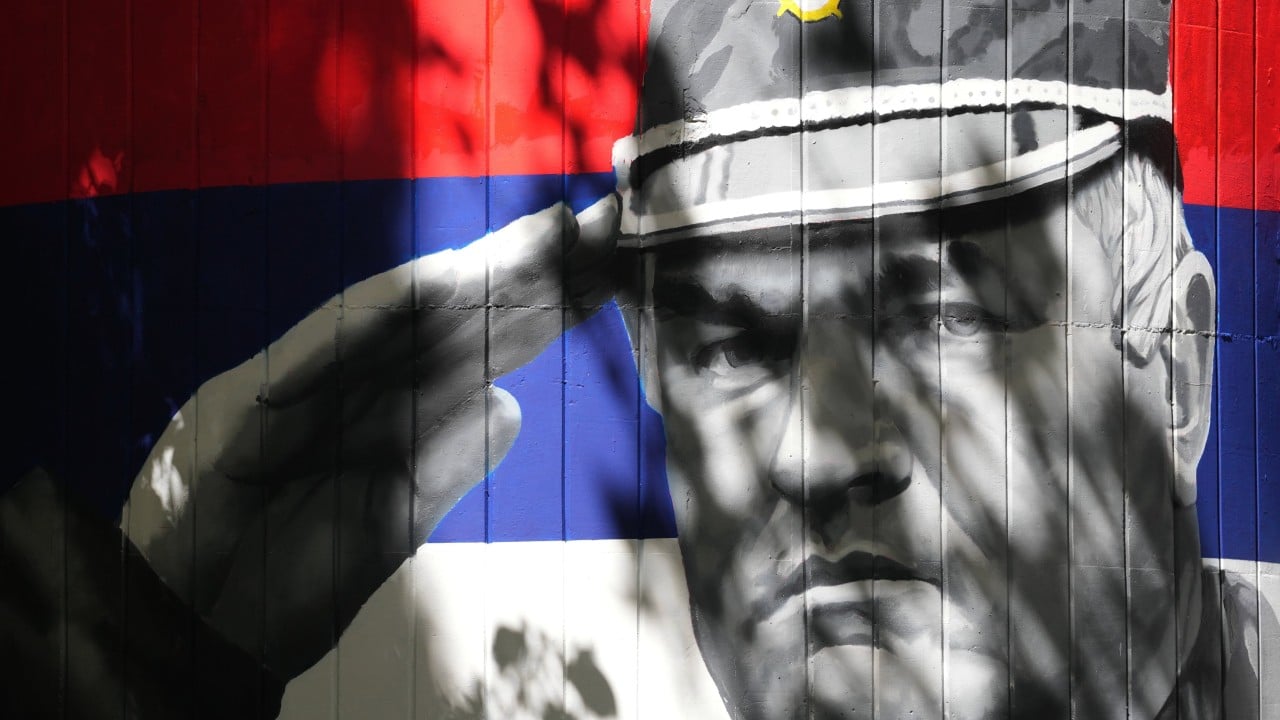
- Street murals of Mladic appear overnight on city walls, protected by local authorities who claim jurisdiction issues prevent their removal.
- Politicians casually dismiss genocide definitions while maintaining a diplomatic posture toward European integration.
- Veterans' associations, heavily subsidized by the state, act as pressure groups to ensure that any criticism of wartime commanders is met with fierce public condemnation.
This dual-track strategy allows Belgrade to pocket Western financial aid while simultaneously feeding its domestic constituency a steady diet of victimhood and defiance. The military honors bestowed upon Mladic's remains are the logical culmination of this policy. You cannot spend twenty years treating a war criminal as a national hero in the tabloids and then deny him a state funeral when he dies.
The Regional Spillover Effect
The implications of this repatriation extend far beyond Belgrade. In Bosnia and Herzegovina, particularly within the Republika Srpska entity, the glorification of Mladic serves as an active destabilization tool. Milorad Dodik and allied secessionist leaders regularly invoke Mladic's legacy to justify threats of breaking away from the central state.
For the survivors of Srebrenica, seeing the mastermind of their families' destruction celebrated with military pomp is a psychological assault. It shatters any illusion of post-conflict reconciliation. True reconciliation requires institutional remorse and the dismantling of wartime myths. What is happening instead is the hardening of ethnic silos. Each group lives in a completely different factual universe, sustained by state-funded media ecosystems that view compromise as treason.
International monitors often issue sternly worded condemnations, but these diplomatic reprimands have lost all teeth. Western capitals prioritize regional stability over transitional justice, operating under the flawed assumption that keeping nationalist strongmen happy will prevent a return to open conflict. History suggests the exact opposite. Appeasing those who honor war criminals only emboldens them to push the boundaries further.
Geopolitical Calculations and European Deadlocks
The timing and handling of Mladic's return also reflect the transactional nature of Balkan geopolitics. Serbia sits uncomfortably between East and West, officially pursuing European Union membership while maintaining deep intelligence, economic, and cultural ties with Moscow. In this environment, rehabilitating wartime commanders plays well with the ultra-nationalist right wing, a constituency that ruling parties cannot afford to alienate.
Brussels demands rule of law reforms and cooperation on war crimes as preconditions for accession. Yet, these benchmarks are routinely subverted by local elites who understand that fulfilling them would mean dismantling their own political foundations. Nationalism is the primary currency of power in the region. Discarding the myths of the 1990s would bankrupt the political class currently holding the reins.
The international community built a legal framework in The Hague to punish atrocities, but it lacked the enforcement mechanism to change the political culture that produced them. Tribunals can lock up individuals, but they cannot rewrite the collective memory of a population subjected to relentless propaganda.
As long as the state apparatus in Serbia continues to reward those who waged aggressive war and shield those who ordered massacres, the ghosts of the 1990s will remain in the room. The military honors given to Ratko Mladic were never about him as an aging, broken soldier. They were about the future, a grim reminder that the ideology of ethnic dominance is still waiting for its moment to rise again.