The air inside the West Wing doesn’t smell like history. It smells like burnt coffee, floor wax, and the metallic tang of high-stakes anxiety. In the narrow corridors where the world’s most consequential decisions are weighed, there is a specific kind of silence that precedes a storm. It is the silence of people who know something the rest of the world hasn't guessed yet.
Lately, that silence has been directed toward the Persian Gulf.
Anthony Scaramucci, a man who once spent eleven chaotic days at the center of the American sun before being ejected into the cold, recently pulled back the curtain on a drama that most citizens only see as a headline. Speaking with the gravity of someone who has seen the machinery from the inside, he described a White House at war with itself. Not a war of bullets—at least not yet—but a war of ideology, geography, and survival.
On one side stands the public-facing machinery of escalation. On the other, a group of "high up" officials who are desperately trying to cut the wires before the timer hits zero.
The Invisible Brake Pedals
Think of the presidency as a massive, multi-ton freight train. Most people assume the person in the conductor’s seat has total control over the speed. In reality, there are dozens of hands on the levers, and right now, many of those hands are pulling back with everything they have.
These are the career pragmatists, the seasoned advisors, and the military minds who have spent decades studying the "what if" scenarios of a direct conflict with Iran. They aren't pacifists. They are mathematicians of human cost. They know that a war with Iran isn't a surgical strike or a weekend operation. It is a generational quagmire that would redefine the global economy, the price of a gallon of gas in Ohio, and the stability of the entire Middle East.
Scaramucci’s revelation isn't just political gossip. It is a glimpse into the survival instinct of an institution. He describes a faction within the administration that views a conflict with Tehran not as a victory, but as a catastrophic failure of imagination.
The Human Cost of a Hypothetical
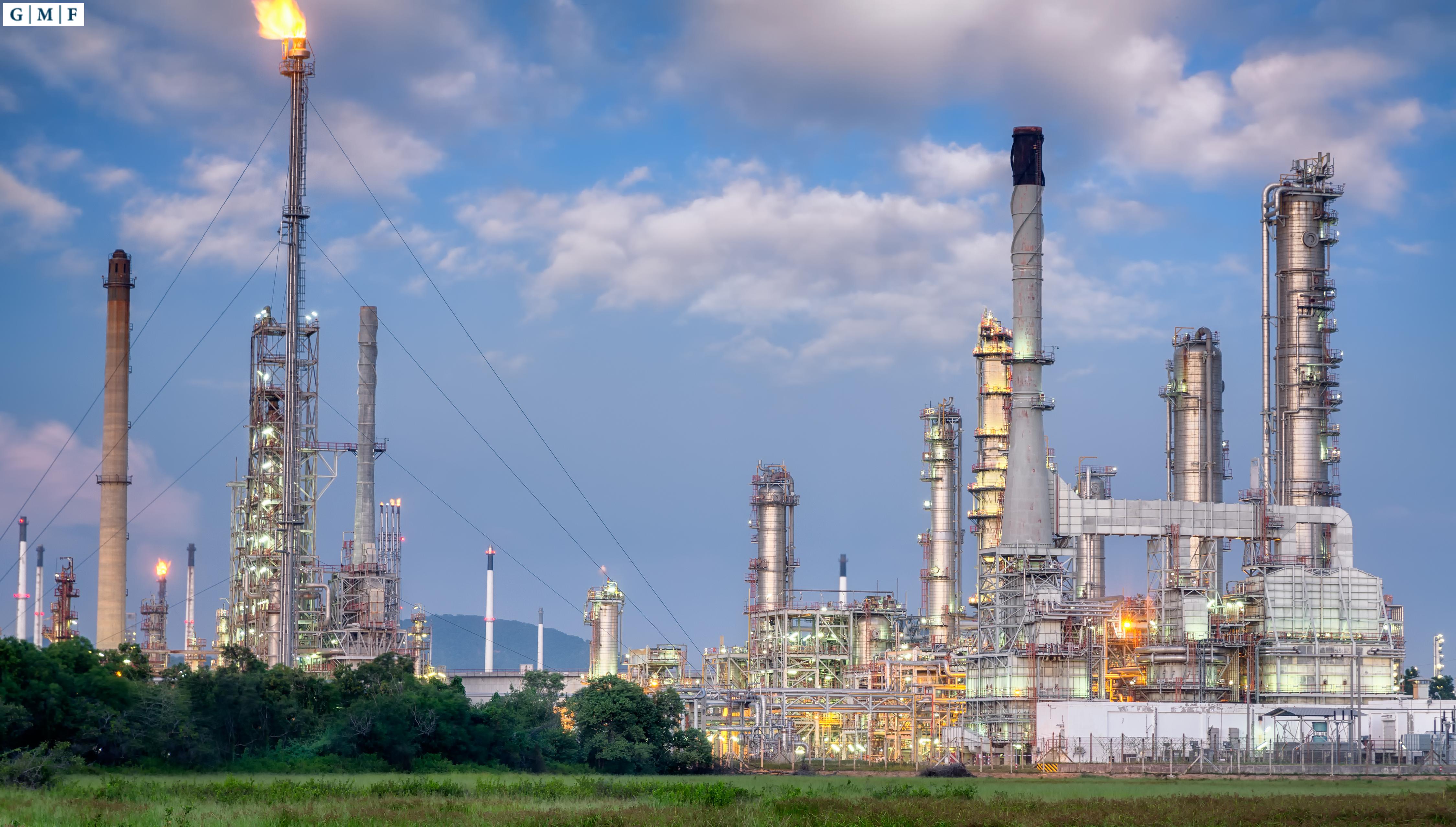
To understand why these officials are fighting so hard behind closed doors, we have to look past the maps and the troop movements. Consider a hypothetical mid-level staffer—let’s call her Sarah. Sarah spends her days drafting memos on maritime trade routes. She knows that if a single drone hits the wrong tanker in the Strait of Hormuz, the butterfly effect begins.
First, insurance premiums for shipping vessels skyrocket. Then, the flow of oil slows to a trickle. By the time Sarah gets home to her apartment in Arlington, the price of the groceries she bought last week has already begun to climb. This isn't just about "foreign policy." It’s about the nervous system of the modern world.
The people Scaramucci is talking about see Sarah. They see the families who would send their sons and daughters to a mountainous terrain twice the size of Texas. They see the ghosts of 2003, and they are terrified of repeating the same mistakes with a much more capable adversary.
The Ally Who Walked Away
Scaramucci himself is a fascinating lens through which to view this conflict. He was once the ultimate insider, a man who traded his reputation for a seat at the table. Now, he sits on the outside, sounding the alarm. His transition from "loyalist" to "foe" provides him with a unique, if cynical, clarity. He knows how the principal thinks, but he also knows how the room reacts when the principal leaves.
He suggests that the resistance isn't coming from the "Deep State" or some shadowy cabal of bureaucrats. It is coming from the people who actually have to execute the orders. When a president speaks of "fire and fury," it is the people in the basement of the West Wing who have to calculate exactly how many fire extinguishers they have on hand.
The tension described is palpable. It is the friction between political theater and the cold, hard reality of logistics. Politics demands strength, posture, and the appearance of being unyielding. Reality demands that the lights stay on and the body bags stay empty.
A Map of No Good Options
Why is Iran different? Why does this specific threat cause such a visceral reaction in the "high up" ranks?
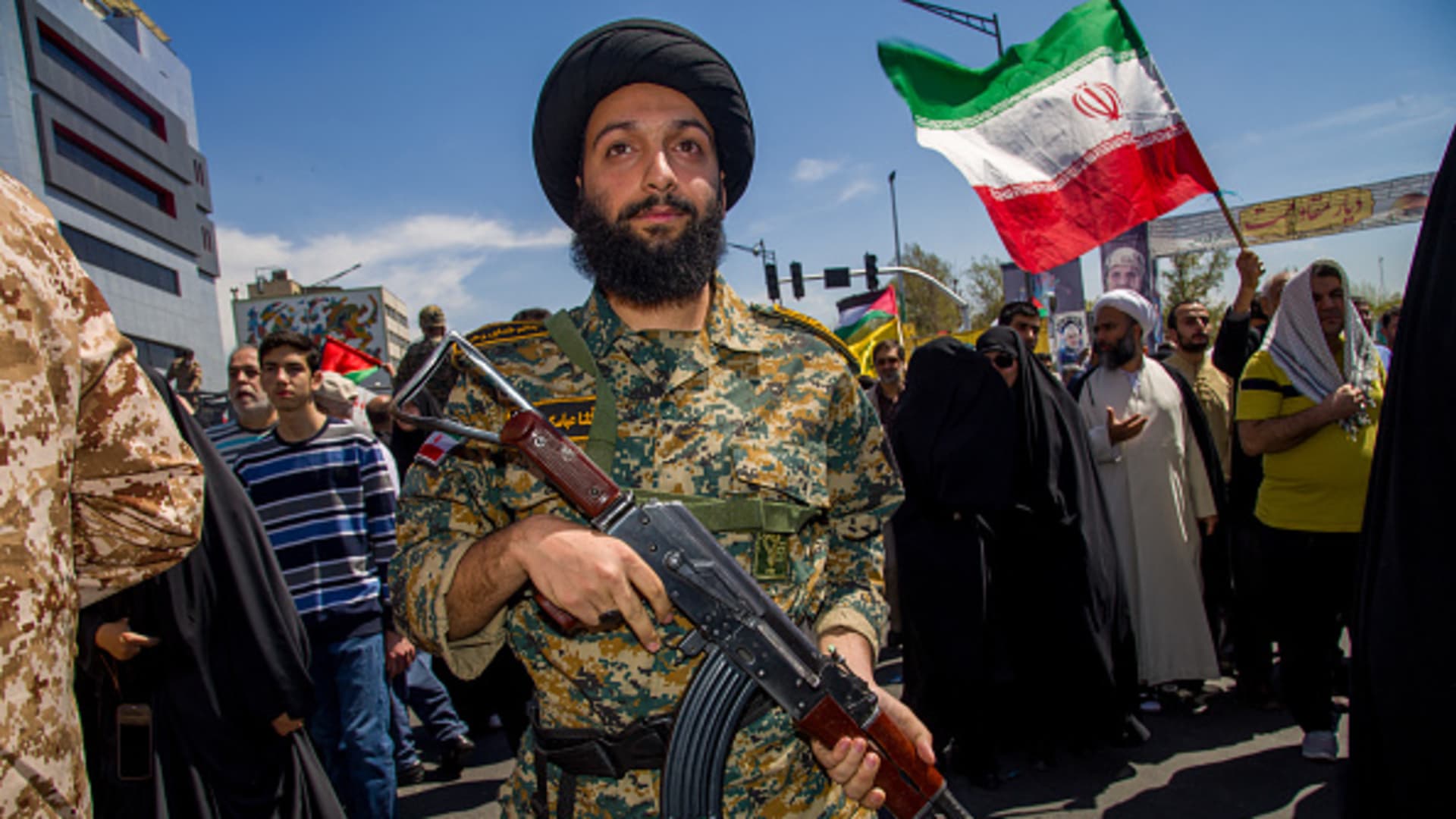
The answer lies in the geography of the problem. Iran is not Iraq. It is a fortress of a country, guarded by a rugged landscape and a sophisticated, if asymmetrical, military strategy. A war there would not be a movie. It would be a grind.
The officials Scaramucci mentions understand the "escalation ladder." You take a step, they take a step. You seize a ship, they close a strait. You launch a cyberattack, they darken a power grid. Pretty soon, you’re at the top of the ladder, and there’s nowhere to go but off the edge.
They are trying to prevent the first step because they know the last one is inevitable once the momentum starts. This is the "internal resistance" that has become a hallmark of recent years—not a coup, but a collective holding of the breath.
The Weight of the Chair
Every president eventually learns that the Oval Office is both the most powerful and the most restrictive room in the world. You are surrounded by voices. Some tell you what you want to hear. Others tell you what you need to hear.
The tragedy of the current moment, as Scaramucci paints it, is the breakdown of trust between those two groups. When the "high up" officials are working against the stated direction of the administration, the machinery of government begins to grind its own gears. It creates a state of paralysis that is, in itself, dangerous.
Uncertainty is a catalyst for miscalculation. If Tehran believes the White House is divided, they might take risks they otherwise wouldn't. If the White House believes their own staff is sabotaging them, they might bypass the very experts meant to keep them safe.
The Choice at the End of the Hallway
We often talk about history as if it’s a series of inevitable events, a river flowing toward a waterfall. But history is made of people in rooms, drinking bad coffee, arguing over adjectives in a press release.
The people Scaramucci is talking about are currently in those rooms. They are looking at the same satellite imagery, the same intelligence briefings, and the same terrifying projections of what a war would look like. They are the ones who have to look the President in the eye and say, "Sir, this is a mistake."
That takes a specific kind of courage, regardless of one’s political leaning. It is the courage to be the "no" in a room full of "yes." It is the willingness to be labeled a "foe" or a "traitor" to prevent a catastrophe that most people will never even know was avoided.
As the sun sets over the Potomac, the lights in the West Wing stay on. The arguments continue. The stakes remain invisible to the tourist taking a selfie at the fence, but they are as real as the pavement under their feet.
The quiet mutiny isn't about disloyalty to a person. It is an agonizing, desperate loyalty to the idea that some prices are simply too high to pay, and some fires, once lit, can never be put out.
The red phone hasn't rung yet, and as long as the people in those hallways keep fighting their quiet war, there is a chance it never will.