The smell of burning rubber carries a specific kind of dread. It hangs thick in the equatorial air, mixing with the scent of red dust and crushed eucalyptus. In the outskirts of Nairobi, where the city grid dissolves into the quiet sanctuary of the Karen suburb, that smoke was the sound of a community shattering.
On one side of the line stand men and women who have spent generations building a haven of peace. On the other stands a government wielding a blueprint for a high-security containment facility, designed to house the world’s most terrifying pathogen.
Ebola.
To the bureaucrat in a sterile office, a quarantine center is a line item on a global health grant. It is a necessary shield, a logistical triumph funded by international partners to ensure that if the worst happens, the response is swift. But to the mother whose children walk past those gates every morning, the center is not a shield. It is a lightning rod.
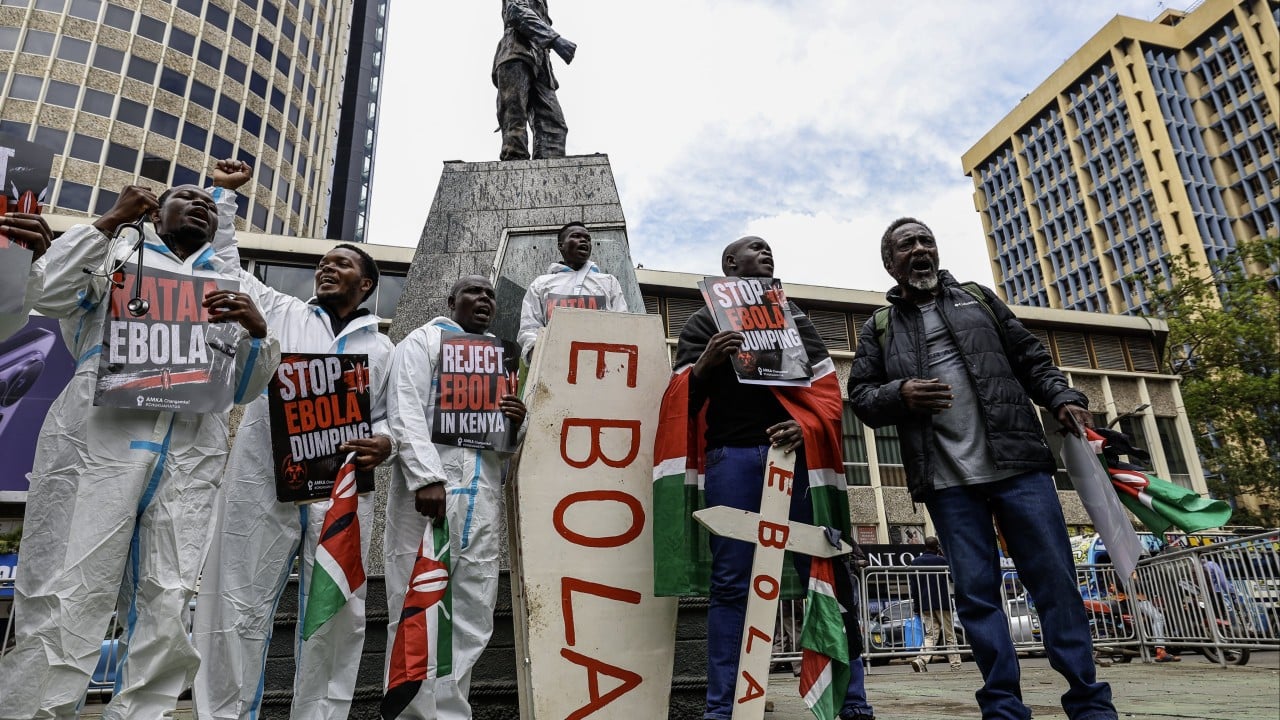
The clash that erupted in Kenya’s capital was not merely a protest over zoning laws or property values. It was a visceral, bloody manifestation of a timeless human conflict: the agonizing friction between national security and local survival. When the tear gas cleared and the stones stopped flying, one truth remained standing amid the debris. The state will build its fortress, even if it must lay the foundation in anger.
The Chemistry of Fear
Fear is not logical. It does not read policy briefs. When the Kenyan Health Ministry announced the finalization of the US-funded Ebola quarantine facility, they expected applause for their proactive stance on global health security. Instead, they unlocked a deep, ancestral terror.
Imagine waking up to find that your neighbor is building a cage for tigers. They assure you the bars are thick. They promise the locks are state-of-the-art. They remind you that tigers exist in the world, and someone, somewhere, must study them. None of these arguments change the fact that you now share a fence line with a predator.
For the residents of the affected area, the word Ebola conjures images of the devastating West African outbreak of 2014, or the recurring nightmares in the Democratic Republic of Congo. They see bleeding, isolation, and a mortality rate that mocks modern medicine. They do not see the sophisticated negative-pressure airflow systems or the three-tier decontamination protocols outlined in the project’s environmental impact assessment.
They see a target.
The human brain is wired to calculate proximity to danger. When a government places a bio-containment unit in a residential zone, it overrides the community's sense of sanctuary. The local protests were not born out of a ignorance of science; they were born out of a profound understanding of human error. Machines fail. Guards sleep. Containment breaches happen. In the calculus of the streets, the risk is never zero, and the cost of failure is absolute.
The Mandate from Above
Step into the shoes of the policymakers. The view from the top offers a radically different perspective, one governed by cold mathematics and geopolitical pressure.
East Africa is a global transit hub. Jomo Kenyatta International Airport is a rotating door for millions of travelers from every corner of the globe. In the ecosystem of global pandemics, Kenya is a frontline state. A single undetected case arriving on a commercial flight could transform Nairobi into the epicenter of a continental crisis within forty-eight hours.
From the Health Minister's desk, building this facility is an act of supreme responsibility. The funding from the United States represents more than just money; it signifies an international alliance designed to create a bulwark against biological catastrophe. To halt construction because of local protests would be seen as a failure of leadership, a capitulation to panic that compromises the safety of fifty million citizens to appease a few thousand neighbors.
The state operates on the principle of the greater good. It is a utilitarian math where the anxieties of a neighborhood are weighed against the survival of a nation. Therefore, the official decree remains unyielding: the project will proceed. The machinery will keep turning. The concrete will be poured.
But this top-down enforcement creates a dangerous paradox. By prioritizing physical security over community trust, the state risks undermining the very health infrastructure it seeks to build.
The Anatomy of a Modern Riot
The demonstration began not with rocks, but with whispers.
Meetings under the shade of jacaranda trees turned into community organizing forums. Petitions were signed. When those bureaucratic levers failed to move the government, the language of the dialogue changed. It became loud. It became physical.
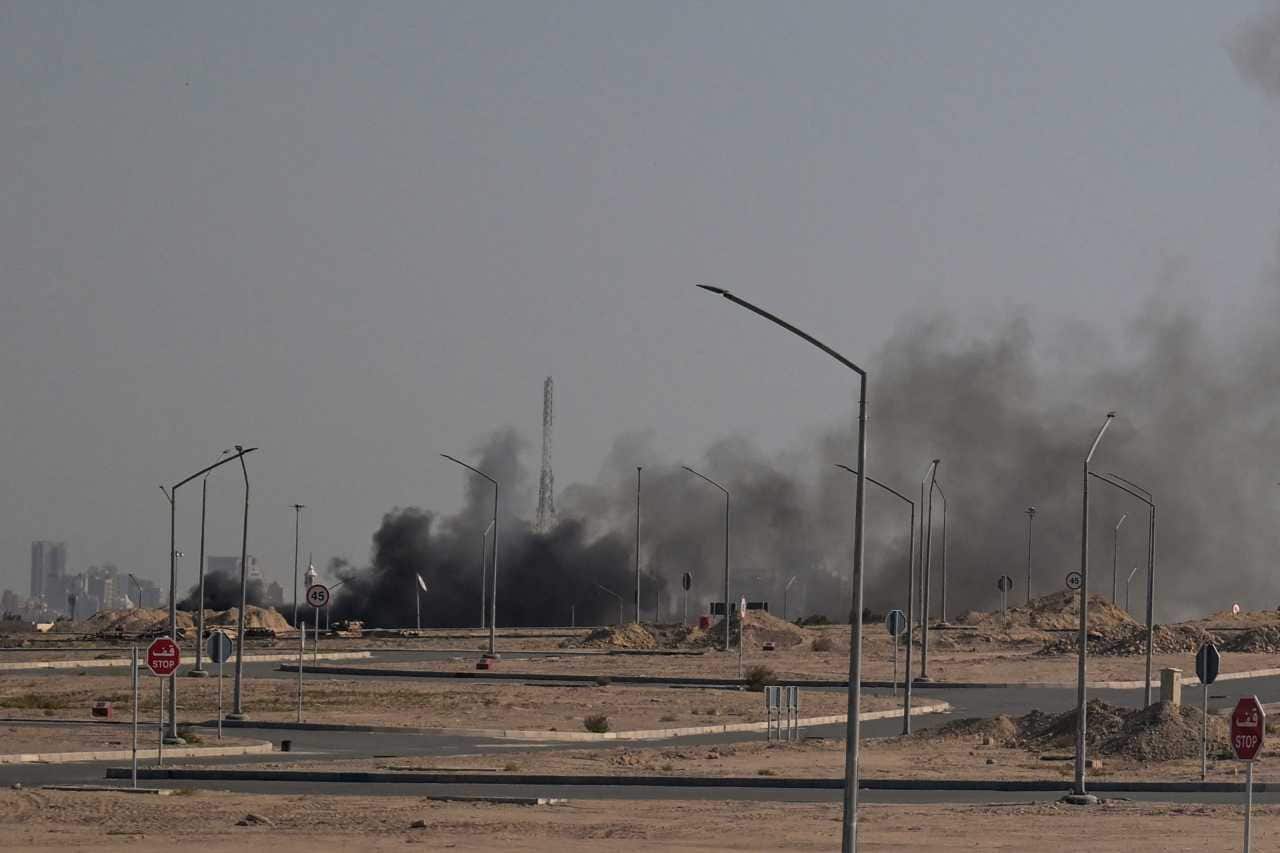
Barricades materialized across the main thoroughfares. Young men, their faces masked against the anticipated sting of tear gas, hauled boulders and twisted metal into the path of construction vehicles. The police responded with the standard, heavy-handed choreography of state power: water cannons, batons, and canisters of chemical irritants that left the afternoon air tasting of copper and pepper.
The violence was tragic, but it was entirely predictable. When people feel completely disenfranchised from decisions that affect their literal survival, the street becomes their only ballot box.
Consider the tragedy of the breakdown in communication. The Health Ministry insisted that the facility was purely precautionary—a specialized unit to monitor suspected cases, not a permanent infectious disease ward overflowing with active patients. Yet, because this information was delivered via press releases rather than genuine, empathetic engagement, it was widely dismissed as government propaganda.
Trust is a fragile currency. Once spent, it cannot be easily printed anew.
The Missing Bridge
The tragedy of the Nairobi quarantine conflict is that both sides possess a valid, urgent truth.
The government is correct that a global transport hub without advanced quarantine capabilities is a disaster waiting to happen. The residents are equally correct that placing such a facility near homes and schools without their consent is an infringement on their right to safety and peace of mind.
The failure here is not a failure of science, nor is it a failure of security. It is a failure of empathy.
True public health cannot be achieved at the barrel of a gun or behind a shield of riot police. When health interventions are forced upon a population through sheer coercion, it breeds a deep-seated suspicion that lingers long after the concrete dries. It creates an environment where, during a real medical emergency, citizens may hide their symptoms, avoid hospitals, and flee from health workers out of fear of being dragged to a facility they view as a prison rather than a place of healing.
Global health history is littered with examples of containment strategies that failed because the architects forgot to include the community in the blueprints. During the height of the West African Ebola epidemic, some of the most effective breakthroughs occurred only when epidemiologists stopped issuing orders from Land Cruisers and began sitting down with village elders to understand their burial customs and their fears.
The Unyielding Concrete
The dust in Karen has begun to settle, trapped beneath the damp evening mist. The charred remnants of tires have been scraped from the asphalt, leaving dark, permanent scars on the roadway. The protests have quieted, crushed by the overwhelming weight of state resolve.
The construction cranes are moving again. They loom over the treeline like giant, skeletal birds, lifting steel beams into place under the watchful eye of armed security forces. The fortress is rising.
The Health Ministry will get its quarantine center. The international donors will check their boxes, and the country will technically be better prepared on paper to handle a biological threat from across the border. The facility will stand as a monument to modern biosecurity—sleek, sterile, and heavily guarded.
But as the sun dips below the horizon, casting long shadows across the contested ground, the true cost of the structure becomes clear. The walls are designed to keep a deadly virus out, but they have already succeeded in locking a community's resentment in. The facility may eventually save lives in a hypothetical future, but today, in the very real present, it stands as a stark reminder of what happens when the preservation of human health forgets the value of human dignity.