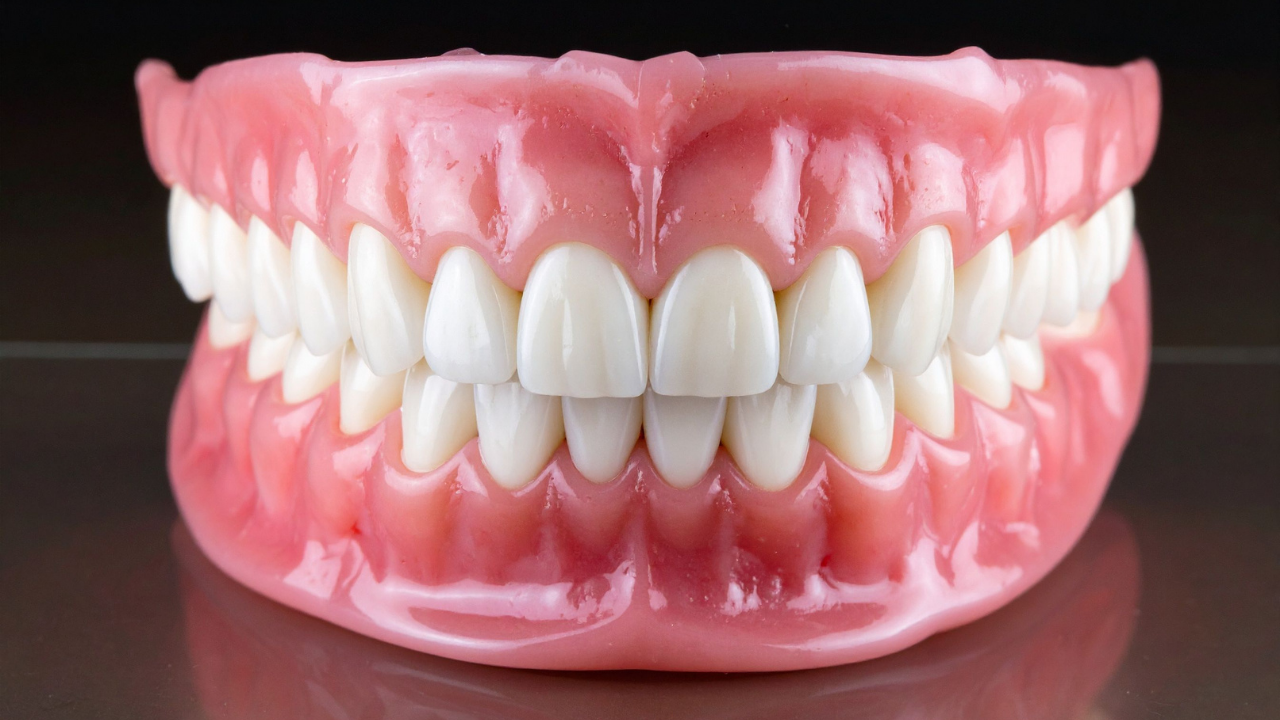
Reconstructing historical diets has long relied on circumstantial proxies, from elite cookbooks and tax records to waste-pit refuse. These traditional archives suffer from a systemic bias toward the upper strata of society, leaving the daily caloric intake of ordinary urban residents largely obscure. Recent paleoproteomic analysis of dental calculus—the mineralized dental plaque adhering to human teeth—provides a molecular archive that bypasses the class filters of written texts. By analyzing proteins trapped within the calculus of eight commoners buried at the Umeda cemetery in Edo-period Osaka, researchers recovered thirty-eight specific dietary proteins originating from seventeen distinct taxonomic groups. This methodology transforms the human mouth into an individual biomolecular data logger, capturing granular consumption patterns that macroscopic archaeological remains fail to preserve.
The structural mechanics of dental calculus formation make it an ideal medium for dietary persistence. Mineralization occurs when salivary calcium phosphates precipitate into accumulating bacterial biofilms, entrapping macromolecules such as proteins, lipids, and dietary microparticles. Unlike bone collagen, which yields bulk isotopic averages of protein intake over years, dental calculus encapsulates discrete ingestion events locked in a mineral matrix resistant to post-mortem degradation. Extracting these proteins via liquid chromatography-tandem mass spectrometry allows researchers to map peptide sequences back to specific source organisms, achieving a taxonomic resolution previously impossible for premodern commoner populations.
The analytical output from the Osaka commoner cohort disrupts standard assumptions regarding food distribution economics in premodern urban centers. Historical models often position luxury commodities as the exclusive domain of samurai and wealthy merchants. Yet, the proteomic profile of these urban laborers and lower-class residents revealed the persistent presence of Pagrus major, commonly known as red sea bream. Historical documentation marks this species as a high-grade celebratory food and elite gift item. Its detection in six of the eight individuals indicates that Osaka’s market efficiency bridged the gap between luxury supply chains and working-class consumption.
This accessibility points directly to the macro-logistics of the Edo-period food economy. Osaka operated as the primary distribution hub of the archipelago, earning the moniker of the nation's kitchen through centralized coastal shipping networks like the kitamae-bune trade routes. These maritime channels moved perishable marine commodities over hundreds of kilometers. The identification of salmonid proteins—fish that do not inhabit the warm waters of Osaka Bay—confirms that cold-water marine resources traversed vast supply chains to reach local urban vendors. Premodern logistics, therefore, possessed the functional capacity to overcome geographic friction, provisioning dense urban populations with diversified protein sources regardless of socioeconomic class.
Beyond marine procurement, the calculus yielded unexpected vectors of land-based consumption, including proteins from terrestrial mammals and industrial crop byproducts. The identification of mammalian proteins corresponding to wild boar and badger highlights the friction between official cultural prohibitions and dietary reality. While consumption of four-legged animal meat faced strict social and religious stigmas, historical exceptions permitted wild game usage under medicinal justifications or during economic scarcity. Furthermore, the presence of cottonseed protein indicates the utilization of processed agricultural output, likely derived from cottonseed oil production or heated secondary feedstocks common in Osaka’s thriving textile processing zones.
Interpreting these molecular markers requires strict adherence to taphonomic and analytical limitations. A sample size of eight individuals out of thousands recovered from the Umeda site serves as a localized case study rather than a sweeping epidemiological census of the entire urban populace. Protein preservation rates vary across food categories; lipid-heavy or tough connective tissues resist degradation differently than soft plant tissues, introducing potential preservation bias into the resulting taxonomic count. Dental calculus records exposure rather than routine dietary staples, meaning accidental ingestion or occupational contamination cannot be entirely decoupled from intentional culinary consumption.
The convergence of paleoproteomics and historical anthropology redefines how analysts measure the standard of living in premodern cities. By shifting the evidentiary baseline from normative texts to direct biochemical residue, researchers can quantify actual nutrient acquisition versus legal or cultural restrictions. Urban resilience in Edo-period Osaka relied on hyper-efficient distribution nodes that democratized access to regional trade surpluses. Integrating molecular dental analysis into historical economics establishes a rigorous framework for evaluating past human adaptation, proving that ordinary populations participated in sophisticated, long-distance supply chains long before the advent of modern industrial refrigeration.