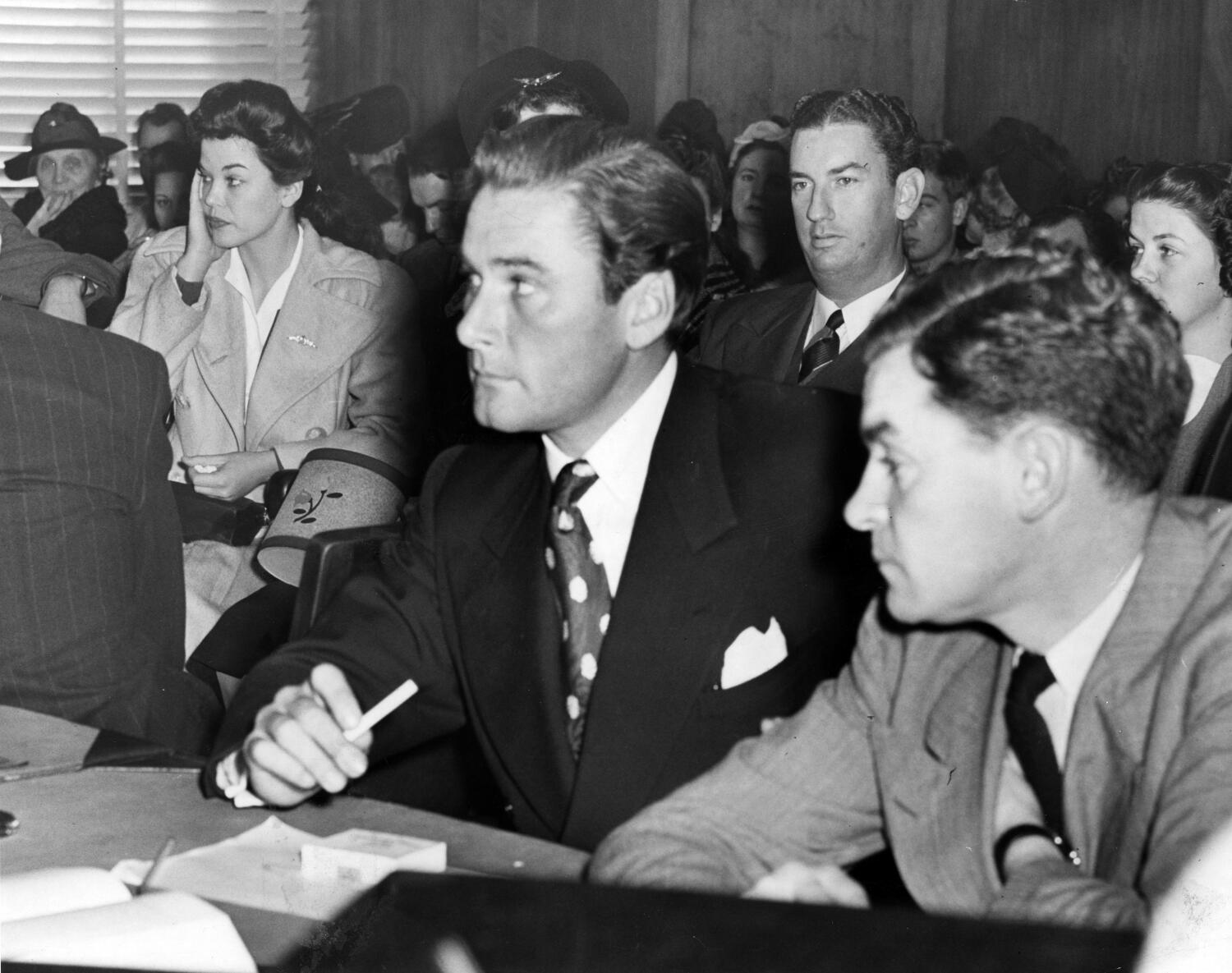
The air inside a courtroom has a specific, suffocating weight. It smells of old paper, varnished wood, and the damp wool of coats dragged in from a London drizzle. For months, Prince Harry sat in these rooms, a solitary figure under the harsh fluorescent lights, waging a war that no member of his family had ever dared to fight. He wasn't just suing the British tabloids. He was trying to rewrite the rules of his own life.
But look closely at the benches behind him. They are emptying out.
The long, bruising legal campaign waged by the Duke of Sussex against the behemoths of the British press is entering its winter. What began as a fiery crusade for personal vindication and systemic reform has hit the cold, unyielding wall of legal exhaustion, mounting bills, and a public that has largely moved on. The ink still flows, but the fuel is running out.
To understand how we arrived at this quiet standstill, you have to understand the nature of the beast Harry chose to fight.
The Machinery of Exposure
For decades, the relationship between the British Royal Family and the fleet street press was a dance of mutual exploitation. It was a Faustian pact. The royals provided the spectacle; the papers provided the publicity that sustained the crown’s relevance.
Then came the phone hacking scandal of the early 2000s.
Imagine waking up every morning with the distinct, crawling sensation that someone has been rummaging through your trash. Now multiply that by a lifetime. Voicemails from a worried father deleted before you could hear them. Private medical details broadcast on the front page before you had even processed the diagnosis. Flight itineraries leaked. Relationships sabotaged before they could even begin.
This wasn’t just aggressive journalism. It was data strip-mining.
When Harry stood before the High Court—the first senior royal to testify in over a century—he wasn't just presenting evidence of unlawful information gathering. He was presenting the scars of a boy who believed the paparazzi killed his mother and were now coming for his wife. The stakes were entirely visceral. Every headline entered into the record was an old wound reopened for public analysis.
He won some battles. The judgment against Mirror Group Newspapers was a genuine vindication, proving that unlawful methods were used to secure stories about his private life for years. But victories in court are precise, clinical things. They are measured in damages and legal costs, not in the cultural reckoning Harry truly desired.
The Turning of the Financial Tide
The problem with waging a war of attrition against billionaires is that billionaires have deeper pockets.
Legal crusades are intoxicatingly expensive. As the lawsuits fractured into multiple fronts—targeting News Group Newspapers and Associated Newspapers alongside the Mirror—the financial math began to shift look grim. It is one thing to sue when you have the vast, shadowy apparatus of the Crown Estate shielding your finances. It is quite another when you are funding the operation out of your own pocket from a mansion in California.
Consider what happens when the legal tide turns.
In the complex machinery of the British civil justice system, you don't just pay your own lawyers if you lose a skirmish; you often pay the other side’s as well. High Court judges began pruning Harry’s claims, throwing out older allegations due to statute-of-limitations rules. With every strike-out came a staggering cost order. Hundreds of thousands of pounds at a time, vanishing into the bank accounts of the very corporations he sought to bring to their knees.
The strategy of the press was simple: bleed him dry. Not just of money, but of momentum.
They played the long game. They knew that while a prince has vast resources, a publicly traded media empire has a legal department that treats litigation as a standard line item in the annual budget. They could afford to wait. They could afford to lose a few skirmishes if it meant winning the war of exhaustion.
The Empathy Deficit
There is a deeper, more quiet failure at play here, and it isn’t financial. It is human.
When Harry first launched his legal broadsides, there was a groundswell of public curiosity, even sympathy. The memory of Princess Diana’s death still casts a long shadow over the British media landscape. Many civilians understood the desire to draw a line in the sand, to say no further.
But courtrooms are terrible places to hold the public’s attention span. They are tedious. They run on technicalities, disclosure dates, and dense legal precedents. As the months bled into years, the narrative shifted. The crusader fighting for the privacy of the vulnerable began to look, to a fatigued public, like a man trapped in an obsessive loop.
The irony is cruel. In his bid to escape the obsessive gaze of the media, Harry became entirely defined by it. Every public utterance, every legal filing, every memoir chapter seemed tethered to the very institutions he claimed to despise. The public, dealing with the grinding realities of a cost-of-living crisis, found it increasingly difficult to sustain empathy for a billionaire prince whose primary grievance was how he was portrayed in newspapers they no longer bought.
The collective cultural shrug became deafening.
The Empty Courtroom
A few weeks ago, a small procedural hearing took place in London. The cameras outside were sparse. The crowds of onlookers had vanished. The lawyers argued over data disclosure in muted, bored tones.
Harry wasn't there. He was thousands of miles away, living the life he had ostensibly fought so hard to secure.
The war hasn't ended with a dramatic surrender or a triumphal march. It is simply evaporating into the bureaucratic ether. Settlements are being reached quietly behind closed doors. Claims are being narrowed. The grand, sweeping revolution that was supposed to clean up the British press has narrowed down to a series of heavily redacted legal briefs and financial compromises.
The press has not changed its spots. The algorithms of attention have simply evolved, moving from the physical printing presses to the digital coliseums of social media, where the harassment is decentralized and impossible to sue.
Writers often look for the grand finale, the moment the curtain falls and the hero either triumphs or falls on his sword. But real life rarely offers such neat geometry. Instead, the road simply peters out into the mud.
The ink dries. The news cycle moves on to younger, fresher tragedies. And the prince is left in the quiet of his coastal enclave, holding a stack of legal bills and the realization that you cannot force a country, or its press, to repent for the past.