Conventional headlines treat Beijing's call for negotiations as benign peacemaking, yet China's push for talks over the US-Iran conflict reflects hard economic triage rather than disinterested diplomacy. When Washington pairs military pressure with secondary sanctions threats and naval blockades, Beijing faces a direct hit to energy transit, financial exposure, and regional stability. A serious analysis of this crisis requires replacing diplomatic platitudes with a clear look at strategic incentives, chokepoint economics, and bargaining constraints.
What Standard Headlines Miss About Beijing's Diplomacy
Standard wire reports treat a call for "dialogue" as a uniform policy position. In practice, diplomatic language operates as a signaling mechanism across three distinct audiences: Tehran, Washington, and Gulf energy producers.
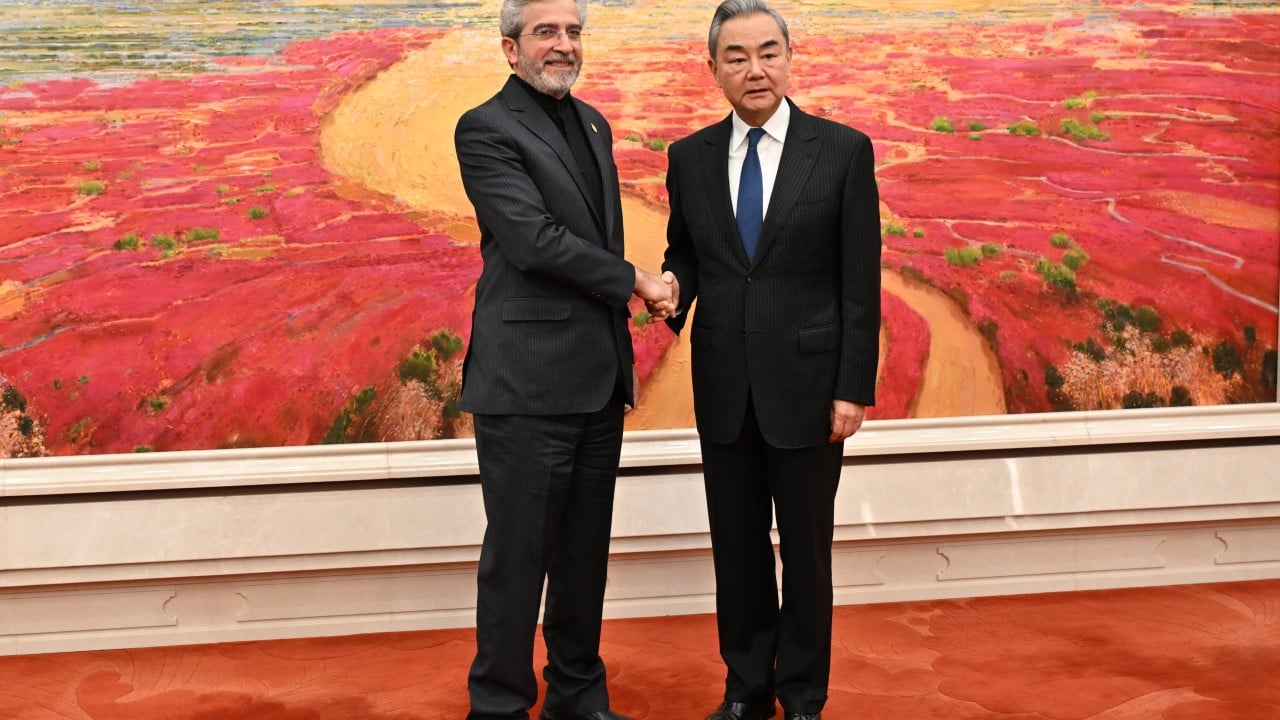
When Beijing urges talks while opposing unilateral sanctions, it protects its commercial room to maneuver without formally underwriting Iran's military actions. When China dispatches regional envoys or meets with Iranian and Gulf counterparts, it signals that regional escalation threatens shared trade corridors. Treating that posture as mere moral persuasion confuses rhetoric with incentive structure.
The flaw in surface-level commentary lies in assuming that all parties define "talks" as a path to the same settlement. Washington has linked negotiations to strict nuclear limits and leverage over regional behavior, while Tehran has tied movement on waterways and de-escalation to sanctions relief, unfrozen assets, and security guarantees. China sits between those demands, trying to keep the conflict bounded without absorbing the security burden of policing the Persian Gulf.
The Cost Function of Middle East Escalation
Every escalation step in the US-Iran conflict alters a measurable cost function for outside powers. Rather than viewing the standoff as a binary choice between war and peace, analysts should track how military and financial friction compounds across four variables:
- Transit risk premiums: Strikes near shipping lanes, naval blockades, and maritime incidents raise insurance, rerouting, and freight costs even before a total closure occurs.
- Secondary sanctions exposure: Broadening financial penalties against buyers or intermediaries forces banks and trading houses to weigh compliance risk against discounted crude or trade margins.
- Alliance and security spillovers: Attacks hitting Gulf states or regional infrastructure test security guarantees and push neighboring capitals to hedge their diplomatic bets.
- Commitment and verification costs: Ceasefires and memoranda of understanding fail quickly when parties dispute scope, enforcement, or external fronts.
A known fact is that conflict involving Iran, the United States, Israel, and regional actors has disrupted shipping, driven diplomatic mediation through regional capitals such as Doha, and kept energy markets sensitive to military headlines. An educated hypothesis is that Beijing views prolonged attrition as worse for its core economic interests than a frozen, negotiated containment—provided China does not have to guarantee enforcement itself.
Cause-and-Effect Chains Behind the Bargaining Deadlock
A major gap in shallow reporting is treating talks and military pressure as opposites. In crisis bargaining, coercive pressure and diplomatic outreach often run in parallel as parties test each other's pain thresholds.
Consider how one move triggers the next. If Washington tightens naval interdiction or threatens financial penalties on counterparties, Tehran faces acute fiscal and logistical strain. Tehran's counter-move—restricting maritime passage, firing on regional or military targets, or setting strict preconditions for talks—raises costs for global shippers and nervous neighbors. That spike in regional risk increases pressure on capitals with heavy trade stakes, including Beijing and Gulf states, to push for an off-ramp before a wider war locks in higher risk premiums.
A second causal loop involves sequencing and trust. Past pauses or frameworks have struggled when one side treats an agreement as narrow and the other views it as conditional on broader actions or regional restraint. Once trust erodes, each side demands upfront concessions—such as lifting sanctions or halting strikes—before making long-term commitments, creating a stalemate where both sides claim to favor diplomacy while rejecting the other's terms.
Why Regional Mediators and Great Powers Play Different Roles
Readers often ask why China pushes for talks yet leaves heavy mediation to regional players or avoids binding security guarantees. The answer lies in comparative advantage and risk tolerance.
Regional mediators like Qatar operate close to the ground and maintain working channels with multiple sides, allowing them to carry messages, test technical formulas, and manage incremental steps such as asset releases or ceasefire mechanics. Great powers, by contrast, shape the broader macro-environment through sanctions policy, diplomatic backing, and military posture.
For China, acting as a vocal advocate for talks carries low downside and clear upside: it aligns with Beijing's preferred narrative of stability and non-interference while pressing Washington to temper escalation. Taking on the role of primary guarantor, however, would expose Chinese assets, diplomacy, and credibility to blame whenever a truce collapses.
Operational Framework for Tracking the Standoff
To evaluate whether diplomatic calls are gaining traction or masking further escalation, analysts and decision-makers can apply a four-step diagnostic sequence:
- Separate rhetoric from operational restraint: Track actual changes in strikes, naval blockades, and maritime incidents rather than public statements expressing openness to talks.
- Map the precondition stack: Identify which issues are treated as entry tickets to negotiations—such as sanctions relief, asset access, or waterway guarantees—versus items deferred to later rounds.
- Monitor third-party compliance friction: Watch how financial institutions, shippers, and neighboring states respond to sanctions warnings and security risks, since commercial behavior often shifts before formal treaties change.
- Test truce durability against side theaters: Check whether any pause covers adjacent fronts and actors, because unaddressed flashpoints frequently break fragile ceasefires.
Limits of the Diplomatic Track and Strategic Play
Diplomacy is not a cure-all when core security red lines collide. Even when every capital agrees that a full-scale war is costly, talks can stall over verification, domestic political incentives, and mutual distrust. Beijing's call for negotiations cannot by itself resolve disputes over nuclear enrichment, regional deterrence, or sanctions enforcement if Washington and Tehran view each other's baseline terms as existential risks.
The most effective strategic play for businesses, investors, and policy teams is to price managed instability as the base case rather than betting on a clean diplomatic breakthrough or an immediate total war. Position portfolios and supply chains around phased, reversible de-escalation—watching concrete moves on maritime transit, asset transfers, and sanctions enforcement as the true indicators of whether talks are moving from posture to substance.