The air inside a semiconductor fabrication plant does not smell like oil or grease. It smells like nothing at all. It smells like filtered survival.
To walk the corridors of a modern cleanroom is to step into an artificial reality where every speck of dust is an enemy of progress. Workers glide through airtight airlocks draped in full-body bunny suits, their identities erased behind masked visors, their hands encased in double-layered nitrile. For twelve hours at a stretch, they monitor the invisible dance of photolithography machines etching pathways thinner than a strand of human DNA onto silicon wafers. These wafers will eventually power smartphones, servers, and the artificial intelligence engines currently reshaping civilization.
Yet, beneath the sterile hum of the air filtration units, a different kind of friction has begun to heat up.
Consider a hypothetical engineer named Lin, who has spent the last five years staring at microscopic defects through high-powered monitors in Taichung. Lin does not think about geopolitics when she wakes up for her night shift. She thinks about yield rates. She thinks about the quarterly bonus structure that was once whispered about as a reward for record-breaking production output, and how those numbers suddenly shifted on a spreadsheet miles away.
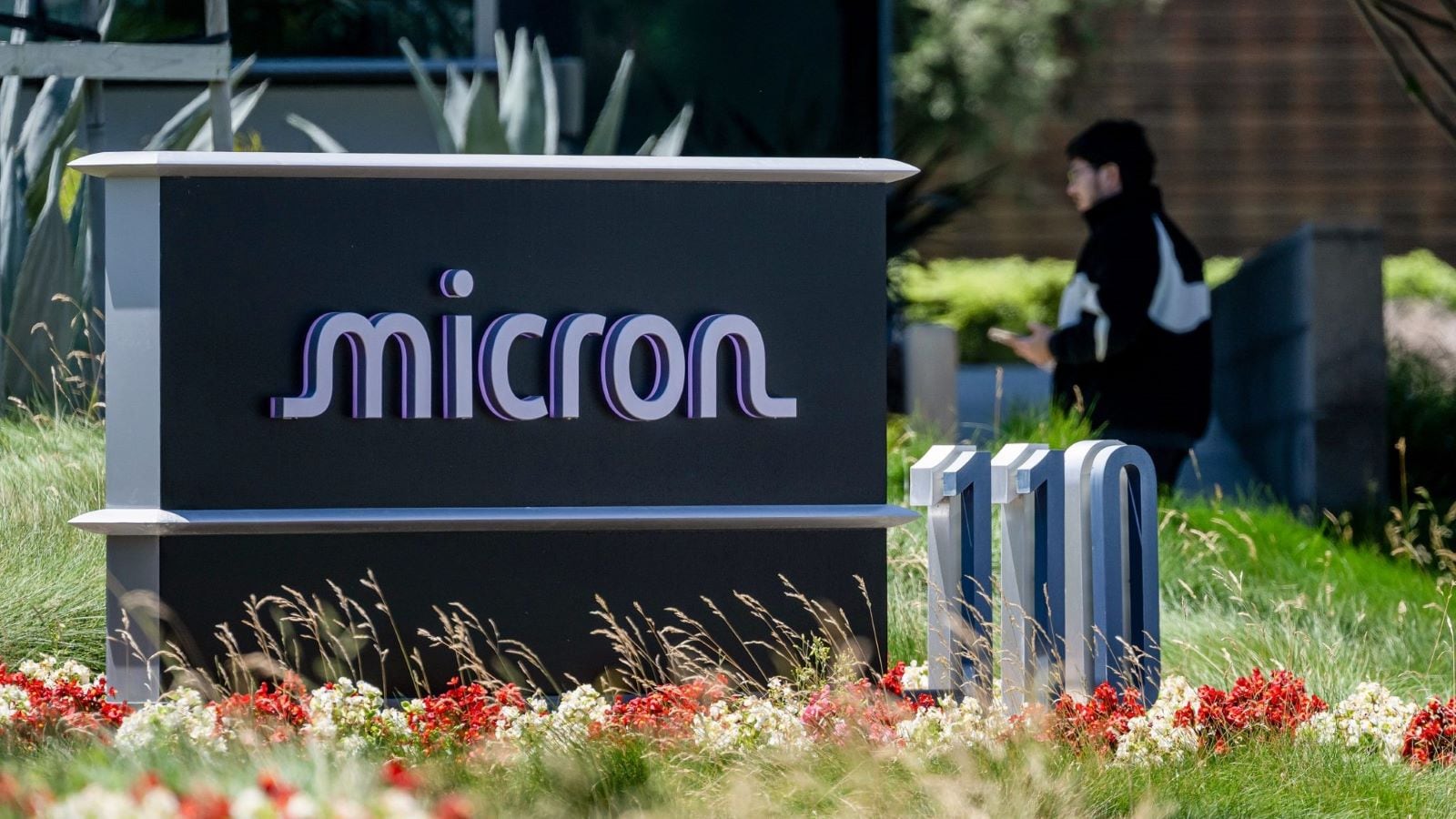
When Micron Technology—one of the absolute heavyweights of memory chip manufacturing—faces a labor dispute in Taiwan, the headlines usually reduce the event to a sterile corporate metric. Analysts talk about supply chain resilience. Stock prices dip or spike by fractions of a percent. Industry watchers issue cautious notes about memory chip pricing and inventory cycles.
They miss the human core entirely.
The Anatomy of a Breaking Point
Trust is a fragile export. For decades, the global technology sector has relied on the extraordinary discipline and precision of the Taiwanese workforce. The manufacturing miracle that turned an island into the beating heart of global hardware did not happen by accident. It happened because generations of engineers and technicians accepted grueling shift rotations, high-stress error tolerances, and the relentless pressure of Moore's Law.
They did this because they believed in a simple social contract: exceptional output warrants exceptional compensation.
When that contract wobbles, the cleanroom starts to feel different.
The recent labor tensions centered around bonus disputes at Micron’s operations in Taiwan reveal a deeper anxiety. It is not just about the raw currency, though inflation and the soaring cost of living in tech-hub cities like Taichung and Taoyuan make every dollar count. It is about respect. When corporate leadership adjusts compensation formulas after a difficult financial cycle, workers experience it as a direct devaluation of their labor.
To understand why this threatens a strike, you have to understand the nature of modern manufacturing. You cannot simply plug a new person into a billion-dollar photolithography station. The institutional knowledge required to keep a semiconductor fab running at peak efficiency is rare. It lives in the muscle memory of veteran technicians who can tell by the faint vibration of a vacuum pump whether a machine is about to drift out of alignment.
When those technicians talk about walking off the job, they are not engaging in casual posturing. They are pulling an emergency brake.
The Invisible Stakes
Look at the broader map. The world is racing to build more domestic fabrication plants in the United States, Europe, and Japan. Billions of dollars in subsidies are flowing from governments desperate to secure their technological independence. Yet every single one of those ambitious megaprojects faces a brutal bottleneck: talent.
You can pour concrete and buy extreme ultraviolet lithography machines by the dozen, but you cannot instantly manufacture experience. The veteran workforce in Taiwan represents an irreplaceable node in the global economy. If labor stability in this region fractures, the ripples do not stop at the factory gates. They travel instantly to smartphone assembly lines in Shenzhen, server warehouses in Virginia, and automotive plants in Detroit.
Think about what happens when memory supply stutters. Prices creep upward. Product launches stall. The invisible architecture of modern life creaks under the strain.
And yet, executive boardrooms often struggle to translate the human element into their risk assessments. Spreadsheets do not capture the quiet resentment of a shift supervisor who pulled thirty consecutive days of overtime during a crunch period, only to see their annual bonus shrink due to global market corrections beyond their control.
This disconnect is dangerous. It assumes that loyalty is a renewable resource that never depletes.
Beyond the Balance Sheet
We have built a civilization that rests on a microscopic foundation. We expect our devices to be faster, cheaper, and infinitely reliable, demanding miracles from silicon while rarely pondering the human hands required to make those miracles tangible.
The union organizers in Taiwan understand this leverage. They also understand the heavy psychological weight of taking public action in a culture that traditionally values corporate harmony. Stepping forward to challenge a multinational tech giant is not a decision made lightly. It requires a collective leap of faith, born from the conviction that silence is no longer an option.
As negotiations unfold and management weighs its next moves, the real test is not financial. It is relational.
The cleanroom will continue to hum. The automated guided vehicles will roll silently across the polished floors, transporting heavy silicon carriers from one bay to the next. But the people inside the suits will be watching. They will be measuring whether the company that demands perfection from them is willing to offer fairness in return.
The machines can etch a billion transistors onto a piece of silicon no larger than a postage stamp, but they cannot manufacture trust. That has to be earned, shift by shift, in the quiet spaces where human beings decide whether or not to care.