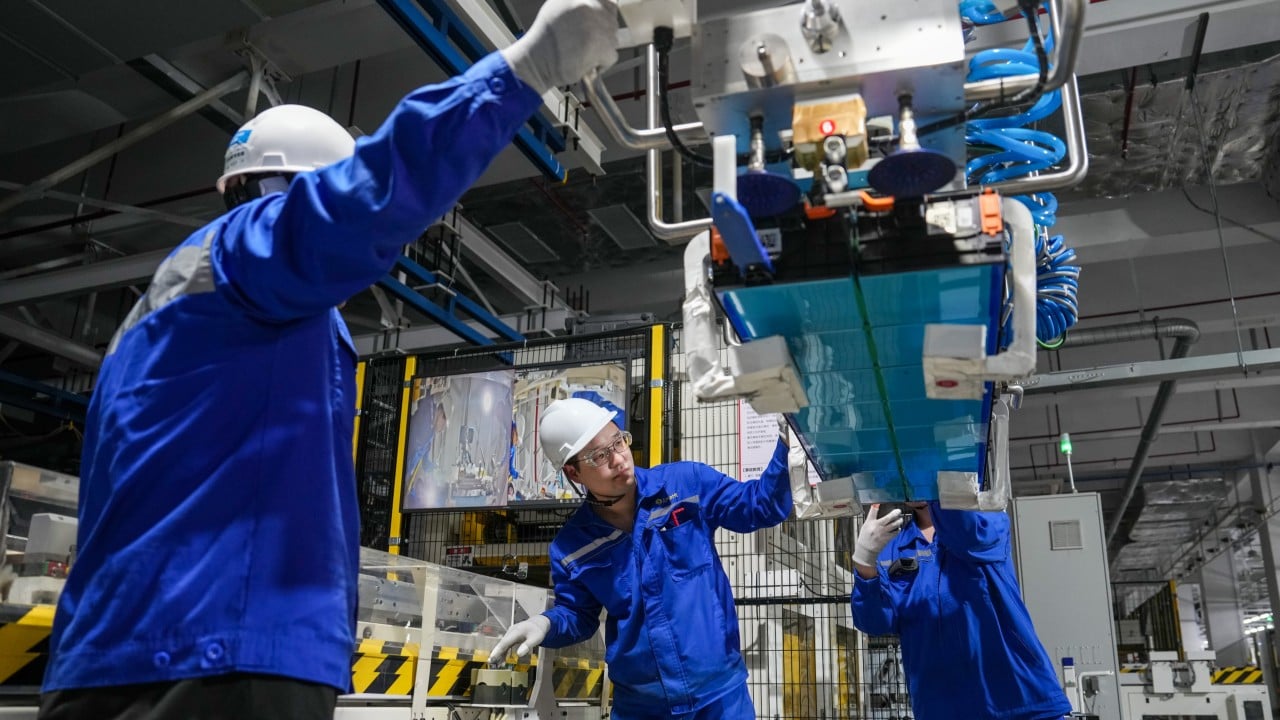
In a small, windowless office in Shenzhen, an export manager named Chen stares at a spreadsheet that has become his entire world. The numbers are bleeding red. Across the ocean, in a port he has never visited, his company’s flagship electric vehicle components are sitting in a warehouse, caught in the crossfire of a trade dispute that started long before he clocked in this morning. Chen isn’t a politician. He doesn’t care about grand strategy. He cares about the thirty factory workers whose families depend on the next shipment clearing customs.
For years, the mandate for companies like Chen’s was simple: grow at any cost. Flood the market. Underprice the local guy. Win.
But the win has started to feel a lot like losing.
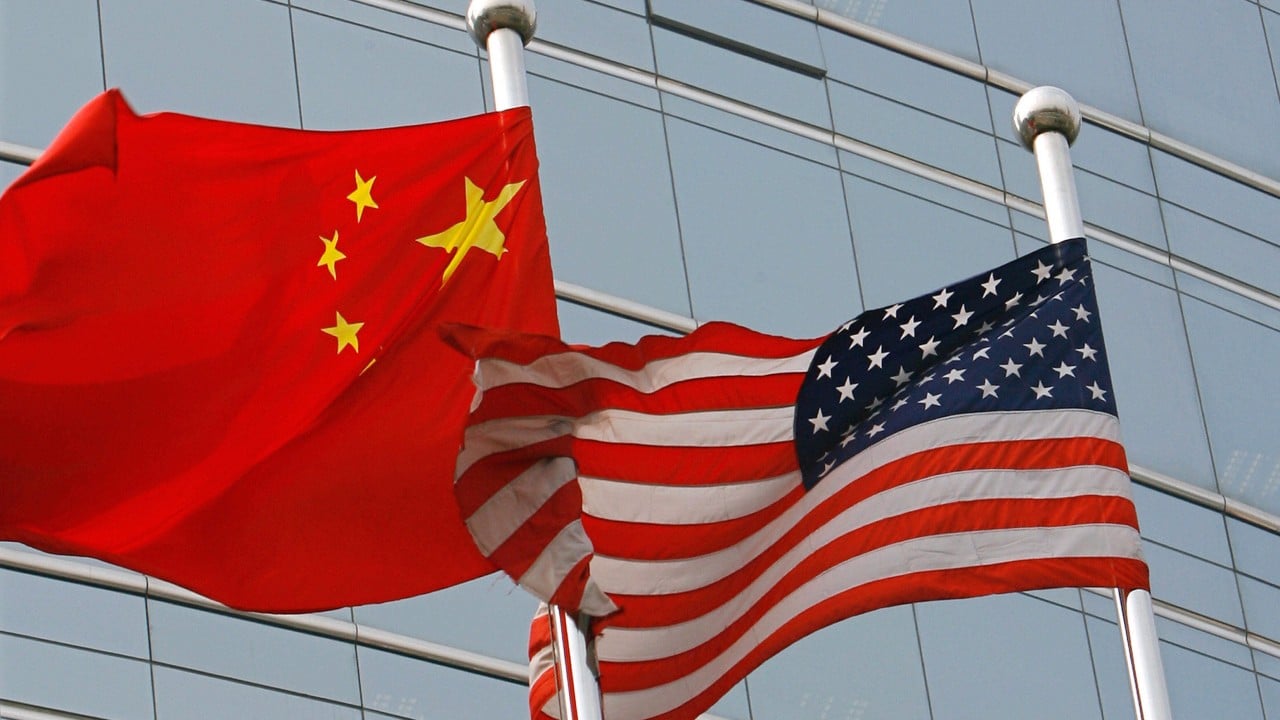
When the State Administration for Market Regulation (SAMR) recently issued a directive telling Chinese firms to pivot toward "healthy competition" in overseas markets, it wasn't just a bureaucratic suggestion. It was a survival signal. The era of the scorched-earth price war is hitting a wall, and that wall is made of international tariffs, local resentment, and the cold reality that selling a product for less than it costs to make eventually kills the maker.
The Invisible Ghost in the Machine
Consider a hypothetical scenario involving two solar panel manufacturers. Let’s call them Star-Light and Nova. Star-Light decides that the only way to capture the European market is to slash prices by 40%. They don’t do this through better engineering or smarter logistics. They do it by burning through venture capital or government subsidies, hoping to starve Nova out of existence.
It works. For a while.
Nova goes bankrupt. Star-Light now owns the market. But in the process, they’ve gutted their own research budget. They’ve stopped innovating because every spare cent goes into maintaining that artificial price floor. Meanwhile, the European regulators, watching their own local industries vanish, slap a 50% "anti-dumping" duty on Star-Light’s products.
Suddenly, the cheap panels aren’t cheap anymore. The market is broken. The customers are angry. And Star-Light has no money left to fix its aging technology.
This isn't just a business failure; it's a systemic collapse of trust. When a company enters a foreign market with the sole intent of predatory pricing, they aren't building a bridge. They are planting a landmine.
The Human Cost of the Discount
We often talk about "market share" as if it’s a scoreboard in a harmless game. It’s not. It represents the sweat of people like Chen.
When a firm is forced to compete solely on price, the pressure flows downward. It lands on the shoulders of the person on the assembly line. It results in skipped safety inspections. It leads to the use of inferior raw materials that might fail three years down the line, long after the initial sale.
I remember talking to a logistics coordinator who watched a once-proud electronics brand dissolve because they obsessed over being the "cheapest option" in Southeast Asia. They won the contracts. They filled the shelves. But the returns started coming back within six months. The capacitors were cheap. The soldering was rushed. By the time they realized the "win" was a mirage, their reputation was so damaged that no amount of discounting could save them.
The SAMR’s new guidance is a recognition that "Made in China" needs to mean more than "Cheaper than the Rest." It’s an attempt to save these companies from their own most self-destructive instincts.
Why the Old Playbook is Broken
The world has changed. Ten years ago, the global economy was a wide-open field. Today, it’s a minefield of protectionism and "de-risking" strategies.
When Chinese firms engage in cutthroat internal competition and then export that same volatility abroad, they provide the perfect justification for foreign governments to raise the drawbridge. It creates a cycle of retaliation.
- Firm A undercuts the global market.
- Local industry in Country B collapses.
- Country B imposes massive tariffs on all imports from Firm A’s home country.
- Firm C, which was playing by the rules and innovating, gets punished for Firm A’s aggression.
The regulator is effectively saying: "Stop making it so easy for them to block us."
True strength doesn't come from being the lowest bidder. It comes from being the indispensable partner. If a company provides a battery that lasts twice as long or a software interface that actually solves a user’s problem, they don't need to beg for sales through bottom-barrel pricing. They have leverage.
The Psychology of the Price Trap
There is a specific kind of fear that drives predatory pricing. It’s the fear of being left behind in a hyper-saturated domestic market. When you have five hundred companies all making the same electric scooter, the only way to stand out is to scream the loudest about your low, low price.
But when that screaming moves to the global stage, it sounds like a threat.
Imagine you are a small business owner in Brazil. You’ve spent twenty years building a local manufacturing plant. Suddenly, an overseas competitor arrives, selling the same product for half of what your raw materials cost. You know they can’t be making a profit. You know it’s a play to run you out of town. How do you react? You don't try to innovate. You call your representative. You demand a barrier.
The SAMR is asking firms to consider the "human element" of their expansion. They are calling for "self-discipline." In the dry language of regulation, that sounds like a slap on the wrist. In the language of reality, it’s a plea for maturity.
The New Standard of Success
Success in the next decade won't be measured by how many units were moved in a single quarter. It will be measured by how many countries still want to do business with you in ten years.
The shift toward "healthy competition" means investing in local communities. It means respecting intellectual property. It means understanding that a market is an ecosystem, not a resource to be strip-mined.
When a company focuses on quality, they are betting on themselves. When they focus only on price, they are betting on their competitor's weakness. One is a position of power; the other is a confession of desperation.
Chen still sits in that office in Shenzhen. He’s looking at a new set of guidelines on his screen. They talk about compliance, about fair play, about avoiding the "involution" that has turned his domestic market into a graveyard of profit margins.
He looks at his spreadsheet again. For the first time in a year, he’s not thinking about how to shave another two cents off the production cost. He’s thinking about how to make the product so good that the tariff doesn't matter.
He’s thinking about how to stop fighting for scraps and start building something that lasts.
The race to the bottom has no winner. There is only the person who hits the ground last. By stepping off that track, these firms aren't just following a government order. They are finally giving themselves a chance to breathe.
The spreadsheet stays red for now, but the strategy is changing. The desperation is being replaced by a quiet, calculated focus on being better rather than just being cheaper.
That is the only way the red eventually turns to black.