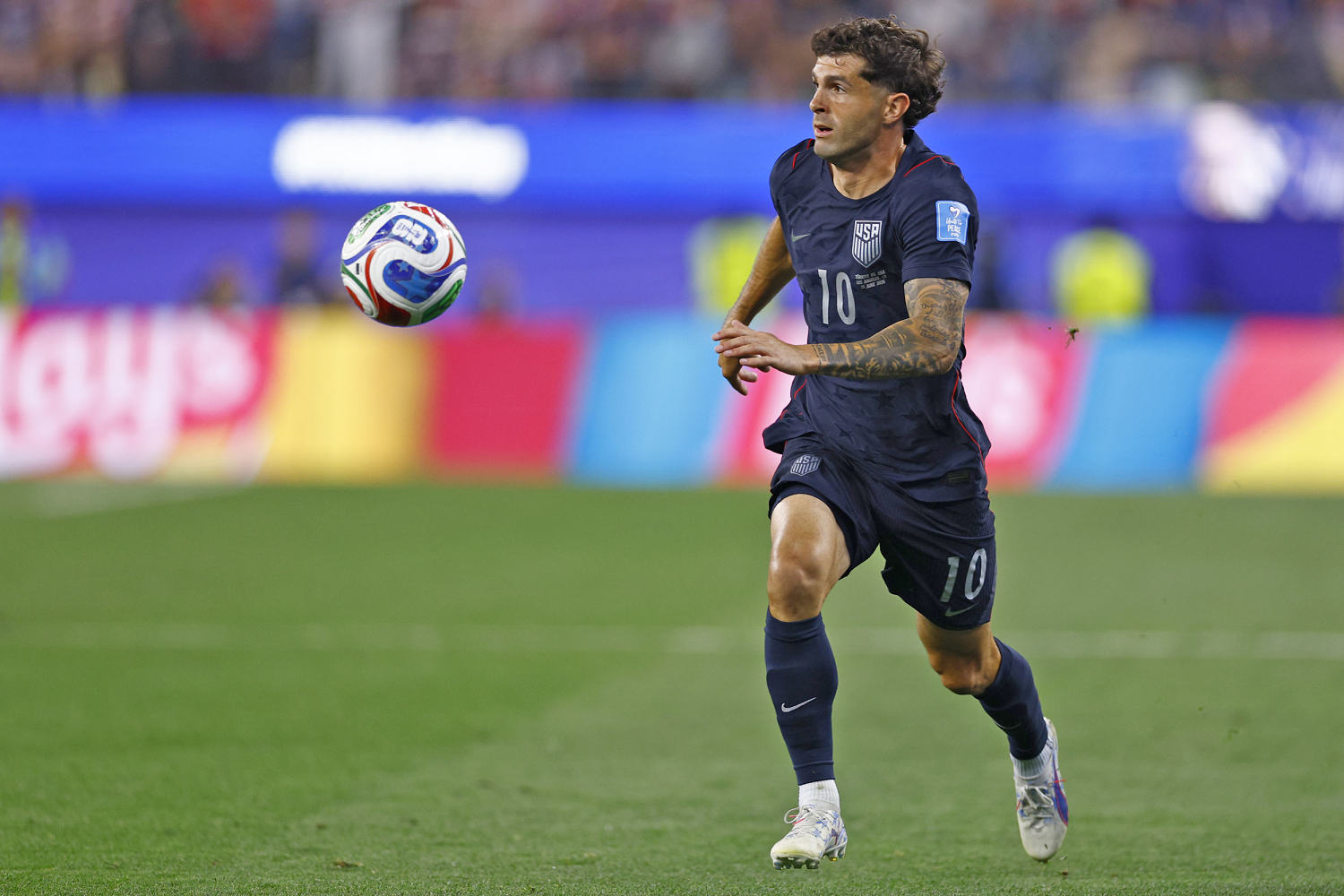
The stadium lights in the damp evening air did not just illuminate the grass; they exposed the raw, collective nerve of American soccer. You could hear it in the sudden, sharp intake of breath from thirty thousand people in the stands, and millions more watching through screens. It was that familiar, low-grade dread. We had seen this movie before. The scoreboard told one story—a loss, cold and unyielding—but the real narrative was written in the mud, the sweat, and the limping stride of one man.
For years, loving American men’s soccer has felt like an exercise in managed heartbreak. We look for saviors in every teenager who signs a contract in Europe. We build them up, drape them in expectations they never asked for, and then watch as the crushing weight of a nation's sporting ambition fractures their confidence, or worse, their hamstrings.
Then came Christian Pulisic.
To understand the stakes of his return on this specific night, you have to understand what he represents. He is not just a talented winger with a quick first step. He is the barometer of American soccer's relevance on the global stage. When he is hurt, the entire program feels fragile, like a house of cards waiting for a stiff breeze from a South American or European powerhouse to blow it all away. When he plays, there is a belief—sometimes rational, often not—that the United States can look the world's best in the eye and not blink.
But the scoreboard on this night did not care about belief. The whistle blew, the match ended, and the United States walked off the pitch defeated. On paper, it was another setback, another entry in the ledger of disappointment that critics love to wave around as proof that the U.S. will never truly grasp the beautiful game.
Look closer.
The real story was not the final score. It was the fact that Pulisic was out there, moving with a fluid, terrifying freedom that we had not seen in months.
Consider what happens to an elite athlete when their body betrays them. The physical pain of an injury is nothing compared to the psychological isolation. You go from the roaring center of the universe to a quiet room with a physical therapist, watching your teammates fly across the world while you try to rebuild the strength in a muscle the size of a deck of cards. The doubt creeps in. Will the speed come back? Will that sharp turn cause something to snap again?
For Pulisic, those doubts have been a constant shadow. He has been labeled fragile. He has been given the moniker "Captain America," a title that carries as much irony as it does pride, given how often he has been sidelined. Every time he went down over the past two years, a collective groan echoed from Seattle to Miami.
Yet, as he stepped onto the pitch for this match, something felt different. There was no hesitation in his stride. In the thirty-fifth minute, he took a pass on the flank, faced down a defender who had spent the evening playing with a cynical, bone-rattling intensity, and drove directly at him. It was a sequence of pure defiance. He cut inside, shifted his weight with a violent grace, and left the defender chasing ghosts.
He did not score in that moment. The play was broken up by a desperate sliding tackle from a second defender. But that was the moment the match changed, even if the scoreboard refused to acknowledge it. It was the moment everyone watching realized that the spark had not been extinguished.
Losing hurts. It should hurt. A culture that accepts defeat with a shrug will never lift a World Cup. The post-match locker room was undoubtedly a quiet, miserable place, filled with the scent of liniment and the heavy silence of an opportunity missed. The tactical breakdowns were real. The defensive lapses will dominate the film sessions for the next week. The coach will face the cameras and answer the same agonizing questions about execution and mentality.
But international soccer is a long game. It is a game played over years, not ninety-minute increments. Teams need structure, tactics, and fitness, yes, but they also need a focal point. They need a player who demands the attention of three defenders just by standing on the field. They need someone who breathes oxygen into the stadium.
Pulisic did that. His presence altered the geometry of the field. Even when he did not have the ball, the opposition shifted, terrified of what he might do if given an inch of space. That space is where the future of this team lives. It is the space that allows younger, less experienced players to grow, to breathe, and to make their own mistakes without the suffocating pressure of being the savior.
We often get sports completely backward. We obsess over the result because it is clean. It fits neatly into a graphic on a sports ticker. It gives us a definitive answer to a complex question. But a football match is a living, breathing organism. Sometimes, a defeat contains the seeds of something vital, while a sloppy, unearned victory can mask a rot that will destroy a team later on.
This loss was bitter, but it lacked the hollow, hopeless feeling of past defeats. It felt like a necessary tax paid on the road to somewhere else.
As the players walked toward the tunnel, heads bowed against the chill, Pulisic stopped. He looked back at the pitch, his jersey stained, his face mapped with the exhaustion of a man who had given everything to a losing cause. He did not smile. He did not offer a comforting wave to the cameras. He just looked at the grass, turned, and disappeared into the concrete belly of the stadium.
The scoreboard will be forgotten by next month. The feeling of watching a talisman regain his fire will not. The road ahead remains steep, treacherous, and entirely uncertain, but for the first time in a very long time, the American men's national team is walking it with their captain on his feet.