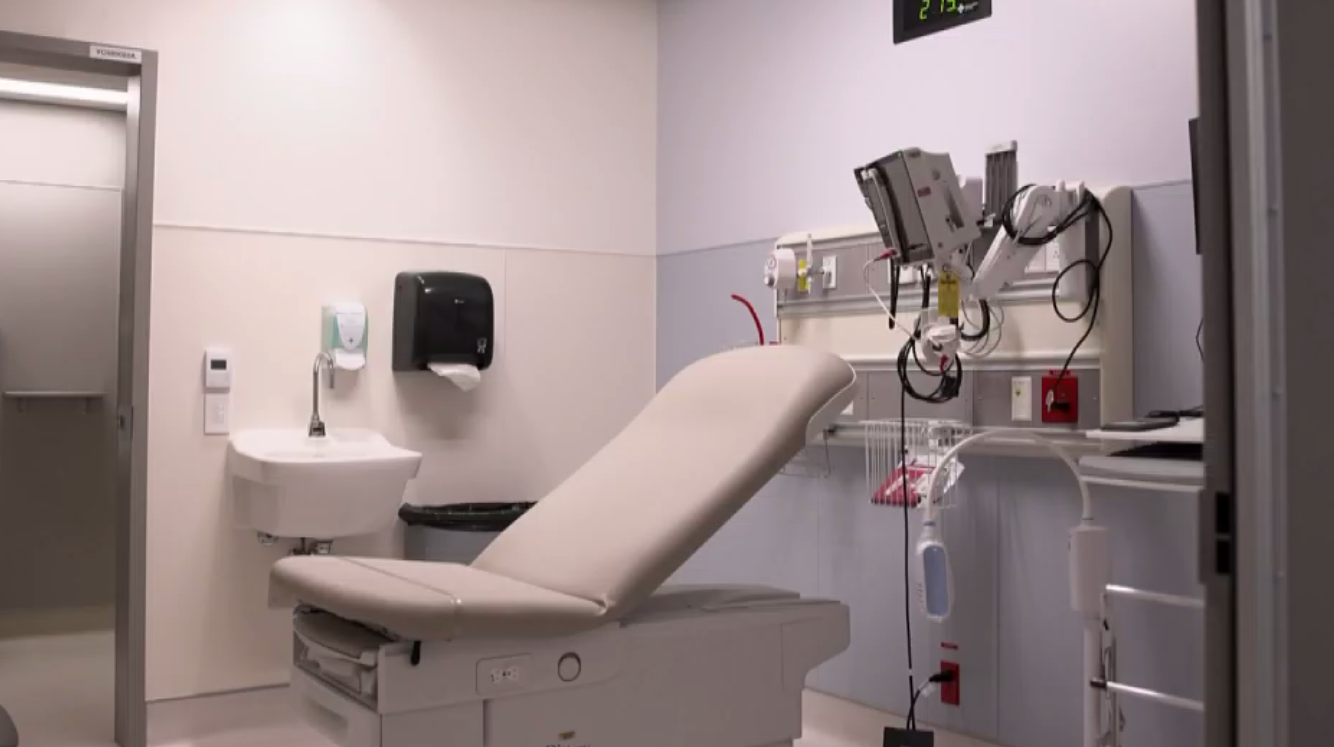
The fluorescent lights of an oncology ward never truly turn off. They hum at a frequency that matches the steady, rhythmic beep of an infusion pump, a sound that gets etched into the gray matter of every parent who has ever spent a Tuesday night sleeping on a plastic fold-out chair.
Outside that window, the world goes on. Traffic moves. Coffee gets ordered. Bills get paid. But inside, time fractures. It breaks into two distinct eras: before the diagnosis, and after.
Now, imagine that split second of terror compounded by a quiet, bureaucratic panic. Imagine sitting beside a bed where a child is fighting a war in their own blood, while the organizations tasked with supporting them have to beg for baseline survival.
Childhood Cancer Canada recently made a public call that should shock the collective conscience of a nation. They are asking the federal government for fifteen million dollars. Not as an ambitious expansion. Not for some distant, speculative moonshot. They need it simply to keep pace with a rising tide of demand that threatens to drown the infrastructure already holding vulnerable families together.
Fifteen million dollars. In the grand ledger of federal spending, it is a rounding error. A footnote in a subcommittee report. But on the ground, in the lives of children whose cells have mutinied, it is the difference between drowning and catching a breath.
To understand why this call for funding matters, you have to look past the cold press releases and understand what actually happens when a child gets sick.
Cancer in adults is often a tragedy of time—wear and tear, decades of accumulated genetic friction. Cancer in a child is a robbery. It is a biological error that strikes before the life has even had a chance to properly draft its opening chapters. When a seven-year-old is diagnosed with leukemia or a solid tumor, the entire ecosystem of a family collapses inward.
Income stops. Expenses multiply. Parking at the hospital alone can cost hundreds of dollars a month. Gas for the commute, specialized food, lost wages from parents who have to abandon their shifts to sit in sterile rooms—it is a financial attrition war waged against people who are already emotionally bankrupt.
Childhood Cancer Canada fills the gaps that the public healthcare system leaves wide open. They provide emotional support, educational bursaries, emergency financial assistance, and advocacy. They are the safety net beneath the safety net.
Yet, for years, that net has been fraying.
Demand is rising. More families are reaching out. The complexity of post-treatment survivorship is becoming clearer—because thanks to modern medicine, more children are beating cancer than ever before. But beating the acute phase is only half the battle. Two-thirds of childhood cancer survivors live with chronic health conditions resulting from the very treatments that saved their lives. Heart damage. Cognitive impairment. Secondary malignancies.
They carry the invisible shrapnel of their cure into adulthood.
When Childhood Cancer Canada asks Ottawa for fifteen million dollars, they are not asking for charity. They are asking for an investment in the baseline humanity of our public policy. They are pointing out a glaring imbalance: while cancer research sees sporadic injections of funding, the wraparound social, psychological, and financial support systems that keep families solvent while they undergo that treatment are chronically underfunded and neglected.
Consider the alternative. When these grassroots organizations fail to secure resources, the burden shifts entirely onto the shoulders of parents who are already exhausted to their core. They turn to GoFundMe campaigns. They remortgage homes. They burn through life savings. They choose between paying for their child's specialized dietary needs or keeping the electricity on.
That is not just a policy failure. It is a moral breakdown.
We live in a society that loves the aesthetic of supporting children with cancer. We like the gold ribbons in September. We appreciate the emotional resonance of a head-shaving fundraiser or a charity run. Those things matter; they build community awareness and generate moments of shared empathy.
But empathy without infrastructure is just sentimentality.
When the cameras turn off and the fundraising galas end, the real work happens in the quiet, agonizing hours of the night. It happens when a mother tries to explain to her ten-year-old why her hair is falling out, while simultaneously worrying whether her credit card will clear at the pharmacy counter.
The federal government has billions of dollars at its disposal. It allocates funds for infrastructure, for economic stimulus, for corporate transitions, for defense. Surely, safeguarding the financial and emotional stability of families facing the most harrowing trial imaginable is a core function of a civilized state.
Fifteen million dollars is a drop in the bucket for a federal budget. But for Childhood Cancer Canada, it is the weight of a promise kept.
We must stop treating the support systems of vulnerable children as optional line items that can be trimmed or ignored when economic winds shift. A society is judged not by its peak achievements, but by how it catches those who fall through its deepest cracks.
The hum of the infusion pump continues. The light under the hospital door stays on. Somewhere across the country, a parent is gripping the edge of a mattress, waiting for dawn, wondering how much longer they can hold the line.
They shouldn't have to fight the disease and the bank statement at the same time. It is time for Ottawa to answer the call, write the check, and recognize that the true wealth of a nation is measured in how it protects its smallest, most defenseless citizens when the night closes in.