Room 214 smells faintly of damp floorboards and the sharp, chemical tang of off-brand dry-erase markers.
Every morning, Sarah adjusts the thermostat. It does nothing. The dial is a plastic ghost, disconnected from any functioning machinery during a modernization initiative three years ago. On the second row, third seat from the left, sits a desk with a missing rubber foot. For eight months, Sarah has propped it up with a folded copy of the district’s 40-page strategic plan framework.
It is a perfect, accidental metaphor.
Sarah is not an auditor. She does not hold a master’s degree in public finance, nor does she spend her weekends parsing line-item variances in municipal ledgers. She teaches seventh-grade English in the Los Angeles Unified School District. But you do not need an advanced degree in forensic accounting to notice the profound disconnect between the wealth at the top of the system and the poverty at the baseline.
The conversation around school funding in Los Angeles has long been dominated by a specific breed of technocratic theater. We are told by school board press releases that the budget is a complex labyrinth. We are reminded of declining enrollment, pension obligations, and unpredictable state tax revenues. We are instructed to wait for the analysis of independent fiscal panels and blue-ribbon committees.
But the view from the chalkboard tells a completely different story.
The Growth of the Invisible Office
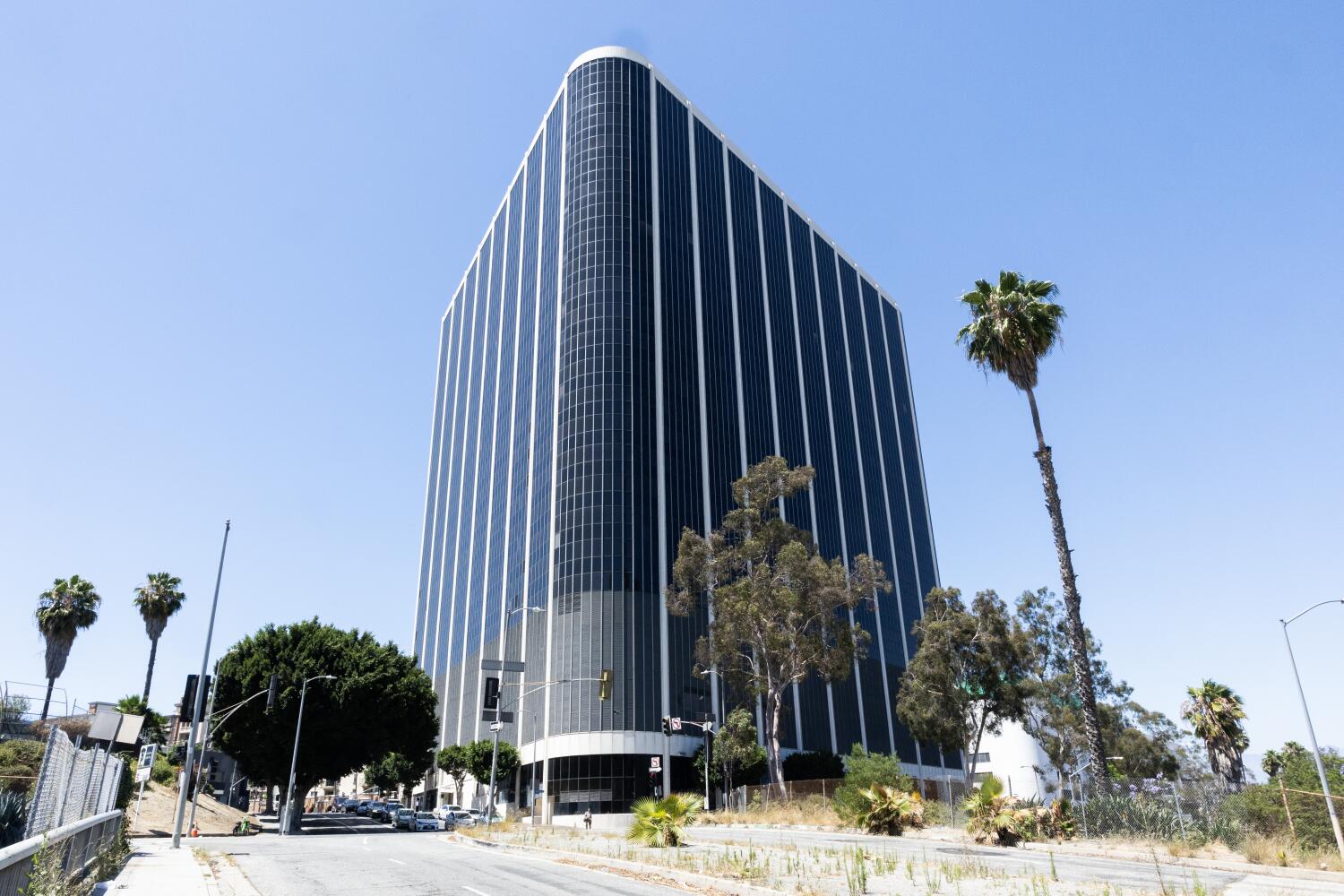
Step inside the central headquarters on South Beaudry Avenue. The air is crisp, cooled by a climate control system that actually works. Here, the language of education changes. Children are no longer kids; they are units of average daily attendance. Learning is no longer reading a book; it is the implementation of data-driven instructional modalities.
Over the last decade, a strange phenomenon occurred across large urban school districts, with Los Angeles leading the charge. Even as student enrollment steadily ticked downward, the administrative infrastructure expanded.
Consider a simple comparison. If a local grocery store chain loses twenty percent of its neighborhood customers, it does not respond by doubling the number of regional vice presidents in the corporate office. It scales down. It focuses on the storefronts.
LAUSD took the opposite route.
New departments emerged with titles that sound like parodies of corporate bureaucracy. Compliance officers hired assistant compliance officers. Special task forces were assembled to study problems that teachers had already solved years prior with a roll of duct tape and sheer willpower. Every new initiative required a director, a deputy director, a communications liaison, and a digital asset coordinator.
Meanwhile, the people actually doing the work—the individuals who look into the eyes of thirty-five children every morning—were told to tighten their belts.
Let us look at a hypothetical calculation based on the district's public salary scales. The cost of one mid-level administrative coordinator at Beaudry, when factoring in benefits and overhead, easily clears $150,000 annually. That single salary represents roughly three thousand brand-new, un-shattered student desks. It represents enough high-quality novels for every middle school English class in an entire sub-district.
Instead, that money funds a desk that generates PDFs about equity frameworks that rarely cross the threshold of a real classroom.
The Outsource Trap
The true drain on public education funds isn't just the internal bloat. It is the quiet army of external consultants.
There is a running joke among veteran educators that if you want the district to fix a leaky pipe, you should call a plumber, but if you want to spend a million dollars talking about the concept of water, you hire a consulting firm.
Every year, millions of public dollars flow out of the district into the pockets of private advisory firms, tech vendors, and public relations specialists. These firms are brought in to solve operational inefficiencies. They conduct surveys. They host focus groups. They create beautiful, glossy slide decks with color-coded charts illustrating things that any school janitor could have told them in five minutes for free.
The irony is thick enough to choke on. The district spends millions on fiscal experts to figure out why they are running out of money.
The institutional memory of our schools is being systematically replaced by transient contractors who have never taken a student to the nurse's office. When an outsourced tech platform fails—as they routinely do during rollouts—the vendor signs a modification order for more money to fix the problem they created.
The burden of these failures never hits the boardroom. It lands squarely on the shoulders of people like Sarah, who spent three hours of her personal time last Tuesday manually entering student grades into a new, mandatory software system because the automated import feature crashed.
The True Cost of Free Volunteering
To understand where the money goes, you have to look at what the district refuses to pay for.
Parents notice it first. The constant stream of bake sales, candy drives, and crowdfunding pages isn’t for luxury items. They are fundraising for copy paper. They are buying tissues so their children don’t have to use brown paper towels from the bathroom that scratch their noses raw during allergy season.
There is a quiet, systemic reliance on the unpaid labor and financial sacrifice of teachers and families to keep the system afloat. The average urban teacher spends hundreds of dollars of their own money each year on basic classroom supplies.
Think about the psychological toll of that reality. A professional with a university degree stands in the aisle of a discount store on a Sunday night, debating whether to buy the name-brand glue sticks that last or the cheap ones that dry out in a week, using money that should go toward their own rent or groceries.
At the exact same moment, twenty miles away, an executive session is approving a six-figure contract for an organizational wellness campaign designed to prevent teacher burnout.
The disconnect is dizzying.
You do not cure burnout with an app or a lunchtime seminar on mindfulness. You cure burnout by fixing the air conditioning. You cure it by ensuring there are enough counselors in the building so a teacher doesn’t have to act as a makeshift therapist for a traumatized child while trying to teach the rules of punctuation. You cure it by respecting the classroom as the only space where education actually occurs.
Turning the Pyramid Right Side Up
The defense of the current system always relies on complexity. Proponents of the status quo argue that an organization serving hundreds of thousands of students requires a massive, sophisticated managerial apparatus. They claim that cutting administrative costs is a simplistic solution to a nuanced structural problem.
That argument is a shield used to protect privilege.
Nobody is suggesting that a multi-billion-dollar enterprise can be run out of a shoebox. Accountability matters. Compliance matters. Logistics matter. But when the machinery of accountability becomes larger and more expensive than the thing it is supposed to hold accountable, the system has failed.
The solution does not require a new fiscal panel. It requires a fundamental shift in values.
Every dollar spent by the district should have to justify its existence through a single, uncompromising question: How does this directly improve the interaction between a teacher and a student?
If an administrative position cannot answer that question clearly, that position should not exist. If a consulting contract cannot show an immediate, tangible benefit to the physical environment of a school, that contract should be canceled.
The money exists. It is printed in the state budget and collected from the property taxes of citizens who genuinely want children to succeed. The crisis is not a scarcity of resources; it is a distortion of geography. The money is simply stuck in the upper atmosphere of the bureaucracy, evaporating long before it can rain down on the classrooms where the soil is parched.
Tomorrow morning, Sarah will walk back into Room 214. She will greet thirty-five children who deserve the absolute best our society has to offer. She will guide them through the complexities of language and thought, despite the broken desk, the silent thermostat, and the dwindling supply of paper.
She will do her job, because she knows that the future of the city is sitting in those squeaky chairs. It is time for the people at the top of the pyramid to start doing theirs.