Dawn in the supermarket aisle has a specific soundtrack. It is the rhythmic, plastic click of a hand-held pricing gun, a low hum of refrigeration units, and the squeak of a lone shopper's trolley wheel on polished linoleum. For years, this soundscape belonged to a comfortable routine. British families pushed their trolleys through broad, brightly lit spaces, dropping green-labelled packets into their baskets without thinking too much about the machinery behind the shelves.
But routine is a fragile thing. When the cost of living squeezed household budgets until they cracked, that comfort dissolved. Shoppers started doing math in their heads before they reached the checkout. They looked at the subtotal, looked at their bank apps, and quietly began walking down the street to the places with the stark, no-frills wood-grain palettes and the German names.
That quiet migration of footsteps is how a corporate giant ends up staring into a nine-figure abyss.
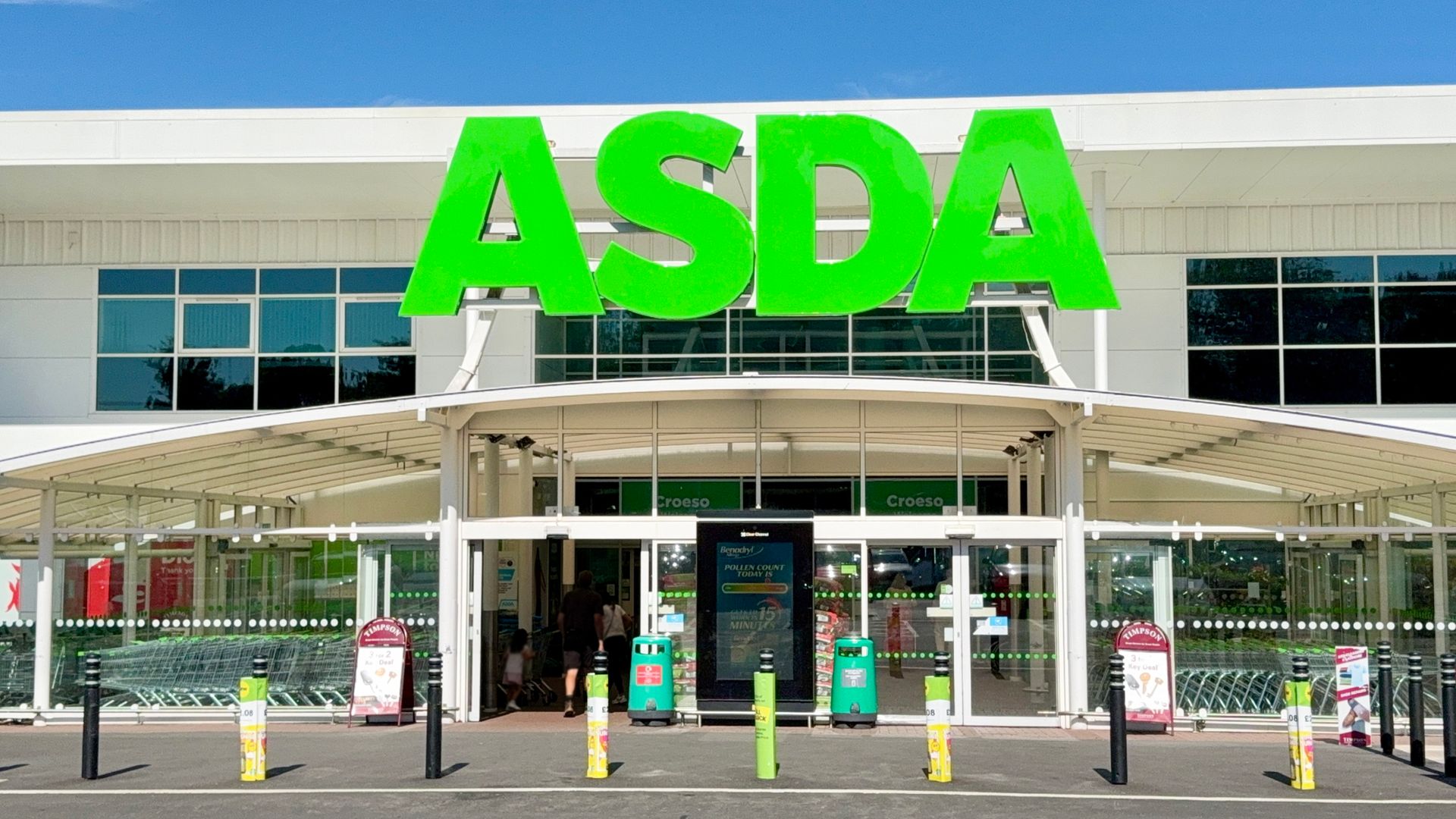
On paper, the news from Leeds reads like an autopsy of corporate ambition. Asda, the UK’s third-largest supermarket chain, watched its pre-tax losses widen to a staggering £989 million for the financial year. It is a number so large it loses meaning. It becomes an abstract concept, a line item in a filing at Companies House. To the person trying to stretch twenty quid across three evening meals, a billion-pound loss sounds like elite boardroom drama, entirely divorced from the reality of the dinner table.
Yet, those two worlds are tethered by a single, desperate objective: survival.
The Self-Inflicted Wound
Consider a hypothetical shopper named Sarah. For a decade, Sarah knew exactly where the baked beans lived in her local Asda. She knew the layout. She knew the rhythm. Then came the great separation—what the corporate hierarchy called "Project Future."
When private equity firm TDR Capital and the billionaire Issa brothers bought Asda from American retail colossus Walmart in a debt-heavy £6.8 billion deal, they inherited an invisible infrastructure. The digital central nervous system of the company—the software tracking every loaf of bread, every logistics route, every inventory update—was still owned by Walmart. Asda had to build its own brain from scratch.
It was an overhaul budgeted at more than a billion pounds, and it went wrong.
During the messy transition, the digital tracking system failed to talk to the physical shelves. Sarah would walk down the aisle to find empty space where the essential household goods were supposed to be. The inventory was frozen in a digital limbo; the stock was in the warehouse, but the computer said it didn't exist. Product availability plummeted.
Allan Leighton, the retail industry veteran who returned to Asda as executive chairman after a two-decade absence, did not mince words about the debacle. He called the system disruptions "totally self-inflicted." The accounting ledger bears out the cost of that technological fracture: a massive £284 million one-off charge explicitly tied to untangling the IT separation from Walmart. When you add a £344 million non-cash hit from reassessing the value of the supermarket's massive property portfolio, the true nature of that near-billion-pound loss becomes clear. It is the price of rebuilding an empire's foundations while the roof is caving in.
The Battle for the One Percent
While Asda was battling its own internal software, an existential threat was moving in down the road.
Supermarket market share is fought over in fractions of a percent, but those fractions dictate the fate of thousands of jobs. Back in 2021, Asda held a comfortable 14.3% of the UK grocery market. By the middle of 2026, that number had eroded to 11.5%.
The beneficiary of that erosion is Aldi. The discount retailer, which captured the number-four spot from Morrisons, has grown with a relentless, terrifying velocity. It now sits at 10.8% of the market. Less than one percentage point separates the old titan from the upstart challenger.
To stem the bleeding, Leighton launched a strategy of brutal, deliberate financial self-harm. He committed to making Asda 5% to 10% cheaper than its traditional rivals, absorbing the financial blow on behalf of the customer. He warned anyone who would listen that this aggressive price-slashing would materially reduce profits. He was right. Revenue slipped by 3.4% to £25.9 billion as the company deliberately choked its own margins to keep prices artificially low.
It is a high-stakes game of chicken played with loaves of bread and pints of milk. The supermarket is gambling that it can lose money faster and more durably than its competitors can steal its shoppers.
The Human Scale of the Ledger
Step back from the balance sheet and look at the man tasked with steering this ship through a storm. Allan Leighton is not a clinical spreadsheet technocrat. He is a roaring, old-school merchant who helped rescue Asda from near-bankruptcy once before in the 1990s.
"It’s not bloody inevitable," Leighton insists, rejecting the narrative that Aldi's ascent to the top three is an unchangeable law of retail physics.
To walk a store with him is to understand that retail is not taught in business schools; it is felt on the shop floor. He points to an expansive display of tropical trees in a Leeds store, noting how visual cues draw the eye toward a fresh price cut. He talks about restoring the scent of in-store bakeries because the smell of warm dough triggers something primal in a shopper—a feeling of abundance, safety, and comfort.
He knows that consumer confidence is currently shot through with anxiety. Geopolitical tensions, like the ongoing conflict involving Iran, have sent tremors through global supply chains, threatening fuel costs and renewing fears of food inflation. In times like these, a supermarket cannot just be a clinical distribution warehouse. It has to be an ally.
"We are more than a supermarket," Leighton argues. He points out that nearly half of Asda's revenue comes from things that aren't food—from the scale of George clothing to pharmacies, optical hubs, and petrol stations. This breadth is the shield he intends to use against the hyper-focused, limited-assortment assault of the discounters.
The Unseen Foundation
The headlines will scream about the loss. A billion pounds makes for a terrifying front page. But look closer at the liquidity buried beneath the rubble of the pre-tax deficit.
The corporate spokesperson trying to calm the markets isn't just spinning PR when they point to the underlying cash generation. Asda closed the year with £1.3 billion in hard cash on its balance sheet and total liquidity reaching £2.1 billion. More importantly, the company managed to shave £500 million off its net debt, bringing it down to £3.1 billion, with the vast majority of those borrowings locked into secure, long-term arrangements extending into the next decade.
This is the central paradox of modern corporate finance: a company can bleed a billion pounds of paper profit while sitting on a mountain of cash. The loss is an accounting reality driven by write-downs and one-time IT bills; the cash is the oxygen that keeps the heart beating.
Leighton originally projected a five-year timeline to fully turn the business around, a target recently extended by six months due to the persistent digital ghosts of the Walmart separation. It is a long, agonizingly slow march. In the last two months, like-for-like sales growth has finally flicked into the positive. The bleeding is slowing, but the patient is far from running laps.
The true test of this massive financial gamble doesn't happen in the corporate headquarters in Leeds or in the private equity offices in London. It happens every Saturday morning when a parent stands at the end of an aisle, holding a box of cereal in one hand and looking at a digital screen. If they feel that the giant cares about their weekly budget enough to take a billion-pound bruise on their behalf, they stay. If they don't, they walk.
And those footsteps, amplified millions of times over, are the loudest sound in the retail world.