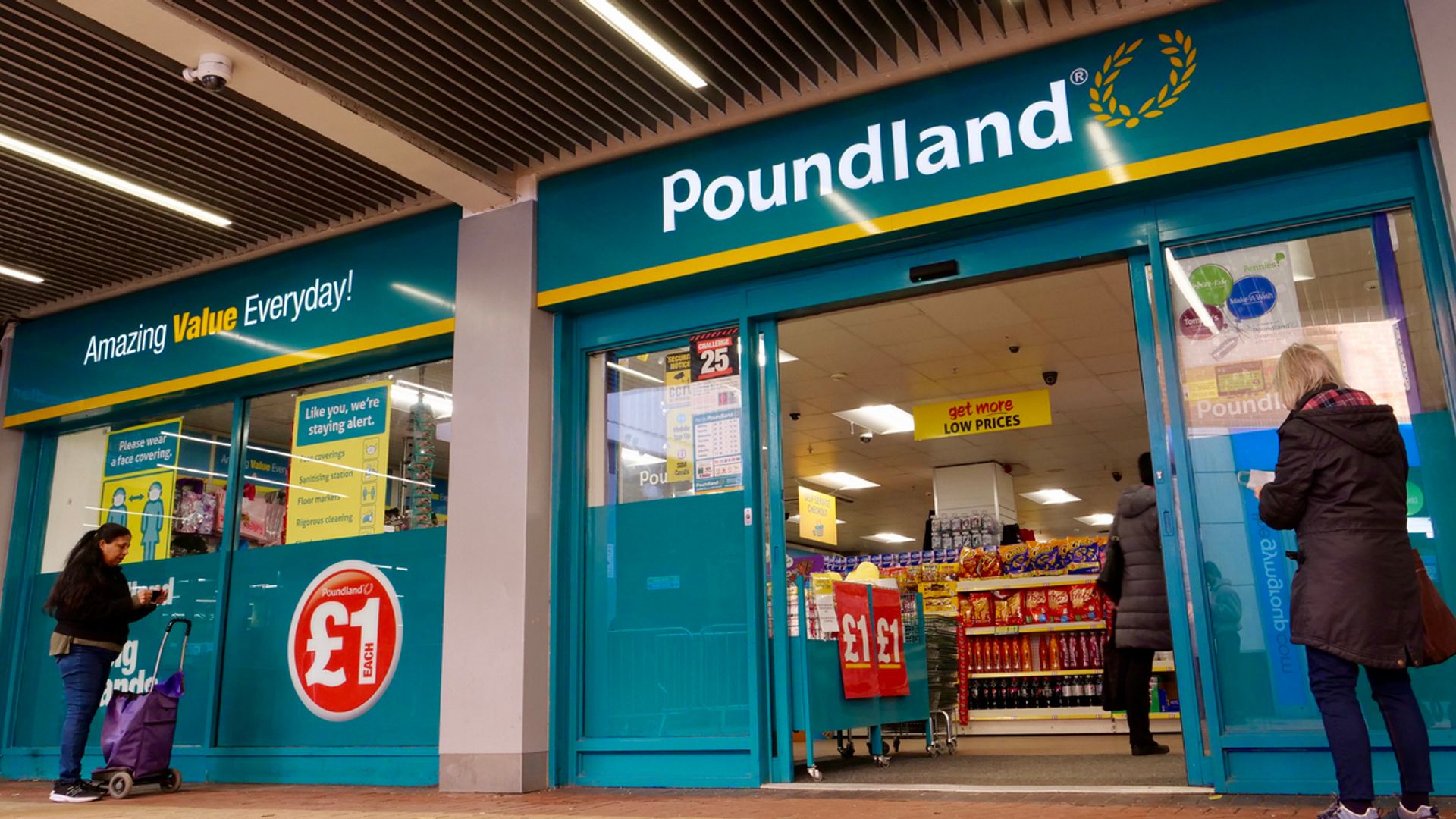
High street retail is a brutal game. If you've tracked the fortunes of Britain's favorite budget chains, you know that survival requires constant reinvention. Just over a year after Pepco Group offloaded Poundland to investment firm Gordon Brothers, whispers of a fresh sale are already circulating.
When a retail institution changes hands this fast, it rarely signals smooth sailing. Instead, it points to deep-seated structural friction in the discount sector. Let's break down what is actually happening behind closed doors and why this latest twist matters for consumers and workers alike. Meanwhile, you can read related developments here: Why failing upward is actually a masterclass in modern career survival.
The Reality Behind the Gordon Brothers Takeover
Back in mid-2025, Pepco Group decided to dump Poundland for nominal consideration. Why? Because Poundland was dragging down margins. While the chain brought in a massive chunk of Group revenue, its actual earnings contribution to Pepco sat at a paltry five percent.
Pepco wanted out of fast-moving consumer goods to concentrate on its higher-margin clothing business. Enter Gordon Brothers, a turnaround specialist known for buying distressed retail assets and restructuring them hard. To explore the full picture, check out the detailed report by CNBC.
That restructuring wasn't painless. The aftermath brought massive footprint adjustments, including plans resulting in the closure of up to 200 stores. Operating hundreds of physical locations across the UK and Ireland while battling rising business rates, supply chain volatility, and fierce competition from online giants leaves very little room for error.
Why Private Equity Flips Retail So Fast
Private equity and turnaround investors operate on a strict timeline. They don't buy legacy brands to run them forever. They buy them to fix the balance sheet, slice away unprofitable fat, and flip them for a profit.
If Gordon Brothers is already eyeing an exit strategy or entertaining buyers so soon, it means one of two things. Either the turnaround math worked faster than expected, or the headwinds facing physical discount retail proved too stubborn to fix without even deeper surgery.
Margins in the pound-plus retail category are razor-thin. Every penny counts when you sell low-ticket items. When minimum wage increases, energy bills spike, and consumer spending tightens, traditional high street discounters feel the squeeze immediately. Shoppers love low prices, but keeping those shelves stocked profitably is an operational nightmare.
What This Means for Shoppers and Staff
Uncertainty at the top always trickles down to the shop floor. Employees who weathered the initial ownership shift and subsequent store rationalizations now face another round of corporate limbo.
For the average shopper heading in for cheap household goods or seasonal items, day-to-day changes might not be immediately obvious. Retail owners change, but the core objective remains getting customers through the door. Yet, frequent changes in ownership often lead to tighter inventory control, reduced staffing levels, and shifts in product quality as new management looks for quick ways to boost profitability.
If a new buyer steps in, expect another wave of strategic evaluations. Some branches might get fresh investment, while underperforming locations face the axe. The high street is shrinking, and only the leanest operators will survive the decade. Watch this space closely, because the corporate musical chairs at the top of Britain's discount retail sector are far from finished.