A Room Full of Stuffed Animals
The hallway in the county child welfare office smells like floor wax and cold coffee. It is a quiet, fluorescent-lit space where life-altering decisions happen every day without ceremony. On a vinyl chair near the intake desk, a three-month-old girl lies asleep in a plastic car seat, bundled in a blanket that has seen better days. She has no control over where she goes next. She does not know about state legislation, public health debates, or political party platforms.
She only knows whether she is warm, fed, and safe.
When a child enters temporary state care, the system makes a solemn promise. That promise is simple: whatever hardship brought this child into the protective custody of the state, we will not make their life harder. We will not expose them to predictable, preventable harm.
Yet across several states, lawmakers have begun pushing to dismantle long-standing health protections for these vulnerable children. Under the banner of personal freedom, proposed legislation seeks to bar child welfare agencies from requiring routine immunizations for prospective caregivers.
It sounds like a debate over adult rights. But when you strip away the political rhetoric, the reality becomes glaringly clear: the adults are fine. It is the children who absorb all the risk.
The Invisible Immune System
Consider a hypothetical child named Leo.
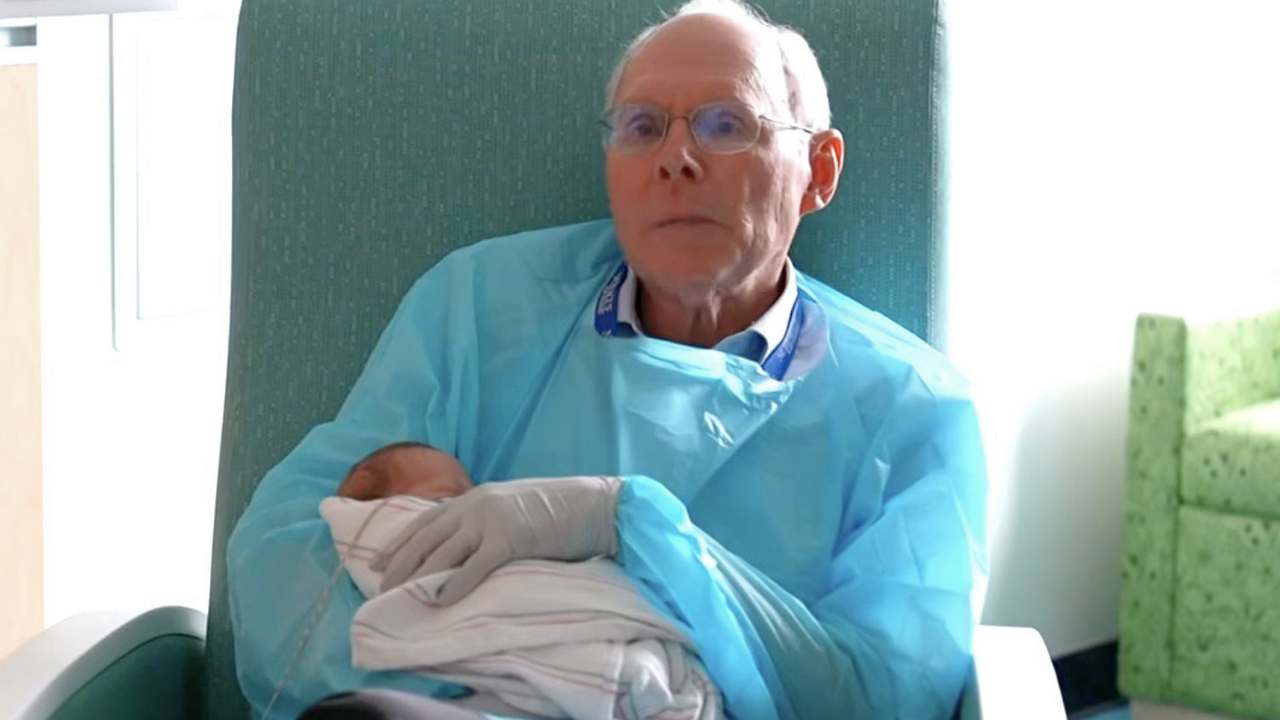
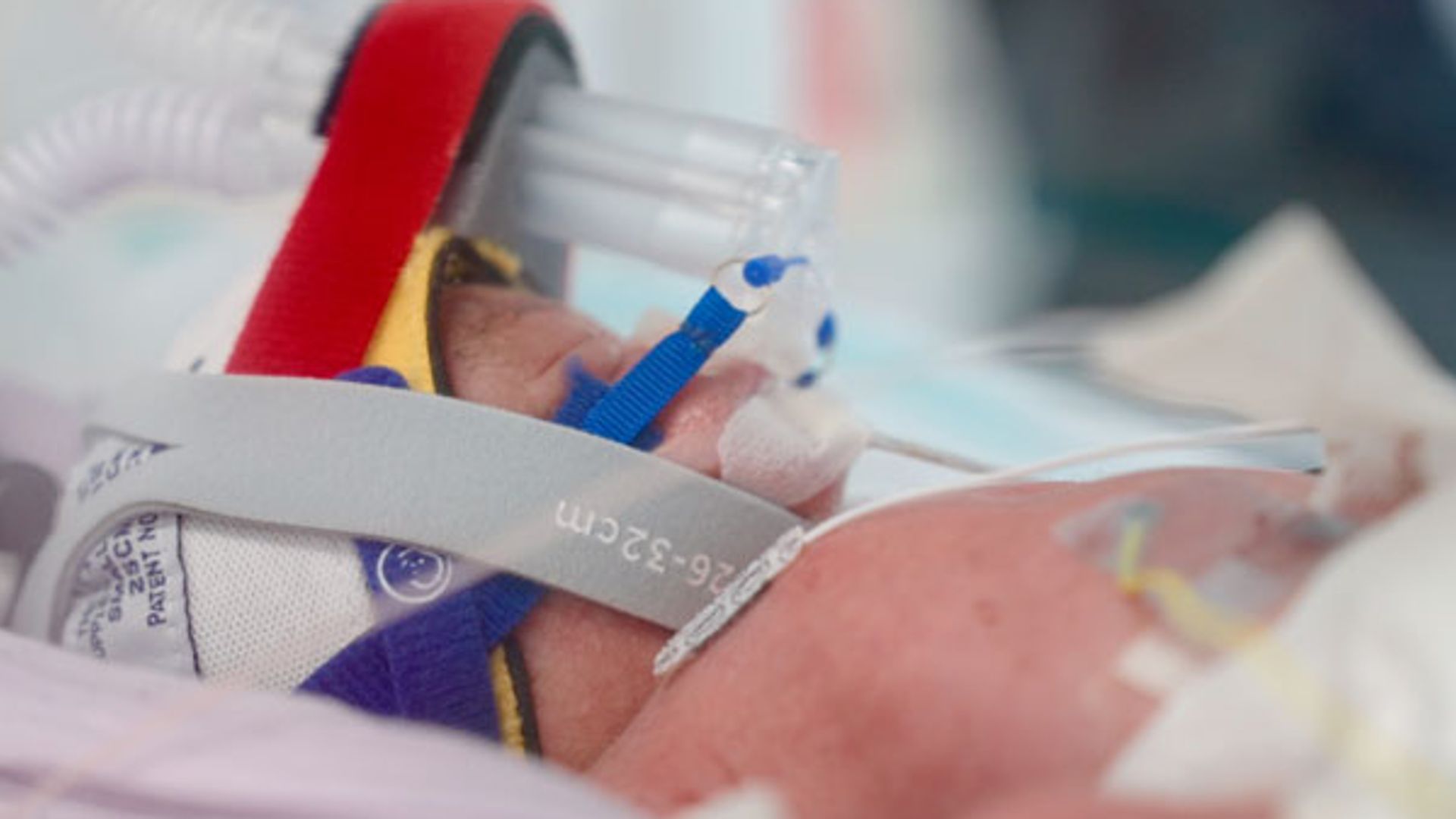
Leo is six months old when he is removed from a home where basic needs were neglected. His medical history is a blank slate. He has missed his infant well-child visits, meaning his immune system has never received standard pediatric immunizations against pertussis, measles, or varicella. When a state places Leo in a temporary home, his body relies entirely on the people around him to act as an invisible shield.
This concept is not complex, but political debates often obscure it.
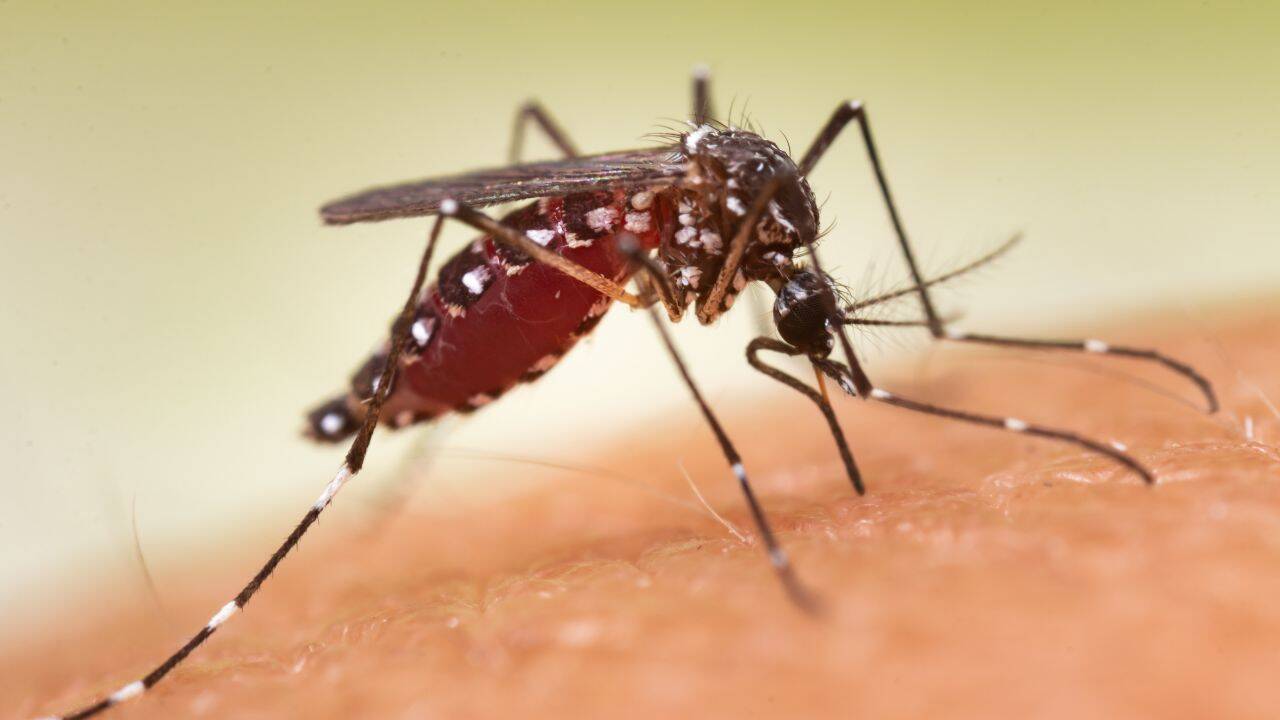
Infants, medically fragile children, and youth with compromised immune systems cannot always build their own defenses against infectious diseases. They depend on what epidemiologists call cocooning. If every adult in the household is immunized against contagious illnesses like whooping cough, the virus cannot find a doorway into the nursery.
When state regulations require prospective caregivers to maintain up-to-date vaccinations, the law is not attempting to police adult personal beliefs. It is setting a baseline safety standard for a high-risk environment. We require temporary caregivers to install smoke detectors. We require them to pass criminal background checks. We require them to store firearms securely.
None of these requirements are viewed as an infringement on personal liberty. They are viewed as common-sense measures to protect a child who has no voice in the matter.
Why should communicable disease prevention be treated any differently?
How Science Became a Loyalty Test
The shift did not happen overnight. For decades, health standards for child welfare homes were largely uncontroversial. Pediatricians, social workers, and state licensing boards agreed on a simple baseline: homes must be safe, stable, and medically secure.
Then came the polarization of public health.
Over the past few years, routine medical precautions were dragged into the culture wars. Simple public health measures transformed into ideological badges. What was once a routine conversation between a pediatrician and a family became a partisan battleground.
When state legislatures introduce bills that prohibit licensing agencies from requiring vaccinations, they frame it as an issue of expanding the pool of available caregivers. The argument sounds pragmatic on the surface. After all, the nation faces a chronic shortage of temporary homes for children in crisis. Social workers struggle every day to find placement for siblings, teenagers, and infants.
But lowering safety thresholds to expand numbers is a dangerous trade-off.
Imagine applying that logic to other safety measures. If a state faced a shortage of licensed drivers, would the solution be to eliminate driving tests? If a school faced a teacher shortage, would we abandon background checks?
Obviously not.
Expanding the capacity of the welfare system cannot come at the expense of basic physical safety. A home that exposes an unimmunized infant to preventable, life-threatening airborne pathogens has failed its primary duty before the child even unpacks a suitcase.
The Real Weight on Social Workers
Talk to any social worker who has sat in an emergency room at 2:00 a.m. with a feverish toddler, and you will hear a very different perspective than the one articulated in state capitol committee rooms.
Case managers carry an overwhelming burden of care. They are the ones who must verify every detail of a child’s environment. They check window locks, measure water heater temperatures, and inspect car seat installation dates. They do this because they know how fragile human life is, particularly for children who have already endured trauma.
When political mandates strip social workers of the authority to enforce health standards, it puts frontline workers in an impossible position.
They are forced to place infants whose immune systems are still developing into environments where preventable diseases can easily circulate. If an outbreak occurs, the legal and moral responsibility does not land on the politician who wrote the bill. It lands on the social worker, the healthcare system, and, ultimately, the child.
Protection Is Not Politics
There is a profound difference between private choices and public duty.
An adult living in a private home has the legal autonomy to make health decisions for themselves, even choices that run counter to established medical consensus. That autonomy is a foundational element of personal liberty.
However, becoming a state-licensed caregiver is not a private act. It is a public partnership.
When an individual applies for a license to care for a child in state custody, they are asking the public to trust them with a vulnerable human life. The state acts as the legal guardian of that child. As a guardian, the state has a strict ethical obligation to prioritize the child's health over the caregiver's political preferences.
If a prospective caregiver declines to meet basic safety requirements—whether that means refusing a background check, declining to put a fence around a swimming pool, or refusing routine immunizations against lethal childhood diseases—they are exercising a choice. But choices carry conditions. The state should not compromise the safety of a defenseless child to accommodate an adult’s ideological preferences.
What Is Left Behind
Back in the fluorescent-lit intake office, the three-month-old girl sleeps on.
She does not care about committee votes or legislative sessions. She does not understand the shifting tides of political rhetoric. She relies entirely on the adults in the room to make decisions that keep her breathing, growing, and safe from harm.
Child welfare systems exist for one reason: to protect those who cannot protect themselves.
When we allow partisan politics to dictate health policy for vulnerable children, we betray that core mission. We turn a system designed for protection into a battleground for adult grievances.
The standard must remain simple, unyielding, and clear. The welfare of the child comes first. Everything else is secondary.