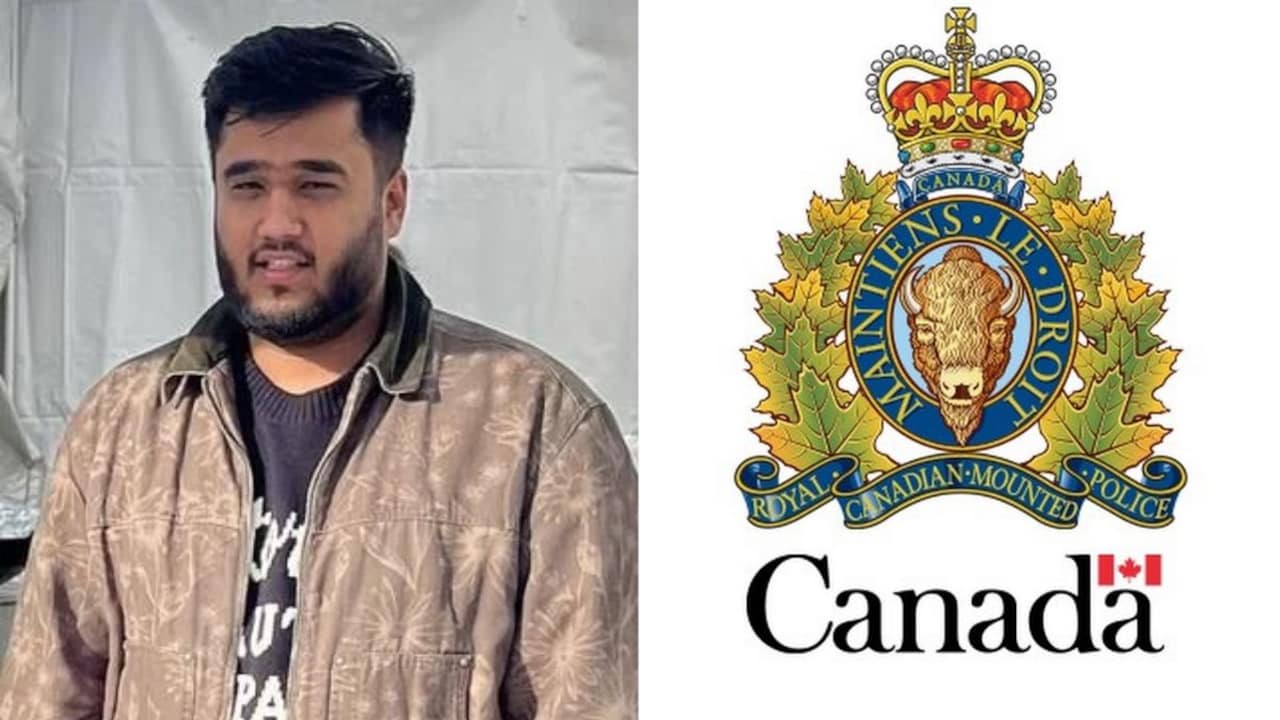
Around 10:26 p.m. on October 29, 2026, firefighters from the Township of Langley Fire Department responded to a routine-sounding call about a vehicle fire in the 23300-block of Rawlinson Crescent in Langley, British Columbia. Once they knocked down the flames, they found human remains inside. Nearly three weeks later, on November 17, homicide investigators put a name to the victim—25-year-old Indian national Tushar Sharma—and dropped a chilling detail. Police believe his death wasn't random.
If you've been following the headlines out of British Columbia, you've probably noticed how quickly initial wire reports flatten complex tragedies into two-paragraph blurbs. Most coverage tells you a young man died, the car burned, and the police want tips. That leaves huge gaps. Why does a guy with zero criminal record end up in a torched car in Fort Langley? What makes Canadian homicide detectives label a case "targeted" when they haven't even named a motive yet? Let's look closely at the verified facts, the investigative hurdles, and what this case actually signals about Lower Mainland crime patterns.
The Timeline of the Langley Vehicle Fire
Police don't release victim names immediately in fire-related homicides, and for good reason. Intense heat destroys standard identification and complicates forensic recovery. It took the Integrated Homicide Investigation Team (IHIT) nineteen days after the October 29 blaze to publicly identify Sharma and issue an appeal for witnesses.
Here is what the confirmed sequence of events looks like so far:
- October 29, 2026 (approx. 10:26 p.m.): Langley RCMP and Township of Langley firefighters arrive at the 23300-block of Rawlinson Crescent near Fort Langley to find a vehicle engulfed in flames.
- Post-suppression discovery: While extinguishing the car, fire crews discover human remains inside the cabin.
- Jurisdiction transfer: Because the circumstances point to foul play, IHIT assumes conduct of the investigation alongside Langley RCMP, Integrated Forensic Identification Services, and the BC Coroners Service.
- November 17, 2026: IHIT officially identifies the victim as 25-year-old Tushar Sharma, a resident of neighboring Surrey, and confirms investigators treat the death as a targeted homicide.
- November 19, 2026: The Consulate General of India in Vancouver issues an official statement confirming they're in contact with Sharma's next of kin and local authorities.
Notice the geography here. Sharma lived in Surrey, one of Metro Vancouver's largest hubs for Indian students and workers, yet his body turned up in a quieter stretch of Rawlinson Crescent in Langley. Moving a vehicle—or luring someone—from a dense suburban center out toward semi-rural Fort Langley is a classic signature of premeditation.
Why Investigators Call This a Targeted Killing
When Sgt. Freda Fong of IHIT told reporters that "evidence to date suggests this was a targeted incident," she wasn't guessing. In Canadian policing, "targeted" has a specific operational meaning. It means the victim didn't just walk into a bad situation or cross paths with a random carjacker. Someone chose him specifically.
Yet two details about Tushar Sharma make this case stand out from typical Metro Vancouver gang violence:
- He had no criminal record. Police explicitly confirmed Sharma wasn't known to them for criminal activity.
- He had "limited known contacts" in Canada. Unlike long-time residents with sprawling social networks, coworkers, and extended family nearby, Sharma kept a remarkably small footprint in British Columbia.
That second point is honestly a massive headache for detectives. Homicide investigations rely on victimology—mapping out every person a victim texted, worked with, owed money to, or argued with in the weeks before they died. When a 25-year-old migrant worker or newcomer lives quietly in Surrey with very few local ties, those digital and social trails shrink fast. IHIT investigators have had to reach overseas to speak with Sharma's family and friends in India just to build a basic profile of his daily habits.
Setting a vehicle on fire also tells investigators plenty. Arson in homicide cases serves one primary purpose: destroying trace evidence. Accelerants and high heat wipe out DNA, fingerprints, gunshot residue, and blood spatter. It takes planning, fuel, and an escape vehicle to burn a car on a residential crescent without getting caught in the act. You don't carry gasoline and ignition tools around for a spontaneous street fight.
Vehicle Arson and Crime Patterns in Metro Vancouver
If you follow crime reporting across British Columbia's Lower Mainland, burning vehicles in Langley and Surrey aren't an unfamiliar sight. For years, organized crime groups in the region have used torched getaway cars to erase forensic links after shootings.
Usually, though, those cars are found empty a few miles from a shooting scene. Finding the victim inside the burning vehicle shifts the calculus. It points toward a personal dispute, an extortion attempt gone wrong, or a deliberate message—though police haven't endorsed any specific theory yet.
Look at how tricky this becomes for communities on both sides of the Pacific:
- Fear among newcomers: Thousands of young Indian nationals live in Surrey and Langley on work permits or student visas. When someone with no criminal background ends up dead in a burned car, anxiety spreads quickly through diaspora WhatsApp groups and local community centers.
- Speculation versus facts: Online forums immediately jump to wild conclusions—ranging from cartel hits to political targeting—before forensic toxicology or autopsy results even come back. Right now, zero public evidence backs up any geopolitical angle. Treating unverified internet rumors as fact only clouds real witness memory.
- Cross-border coordination: Because Sharma's immediate family remained in India, every piece of background verification requires coordinating across a 12.5-hour time difference. The Consulate General of India in Vancouver stepped in to assist the family, which helps with repatriation and consular logistics, though criminal evidence gathering rests entirely with the RCMP.
What Happens Next in the IHIT Probe
Right now, IHIT's file—numbered 2026-1052—hinges on reconstructing October 29 hour by hour. Detectives need to know how Sharma traveled from Surrey to Rawlinson Crescent in Langley, whether he drove himself or rode with someone else, and who knew his location that evening.
If you live, work, or drove through the Fort Langley area around Rawlinson Crescent on the night of October 29, 2026, check your dashcam archives or home security systems immediately. Even footage from hours earlier showing an unfamiliar sedan scouting the block can break a stalled homicide timeline wide open. Anyone who knew Tushar Sharma in Surrey or has video from the area around 10:26 p.m. on October 29 should contact the IHIT Information Line directly at 1-877-551-IHIT (4448) or email ihitinfo@rcmp-grc.gc.ca.