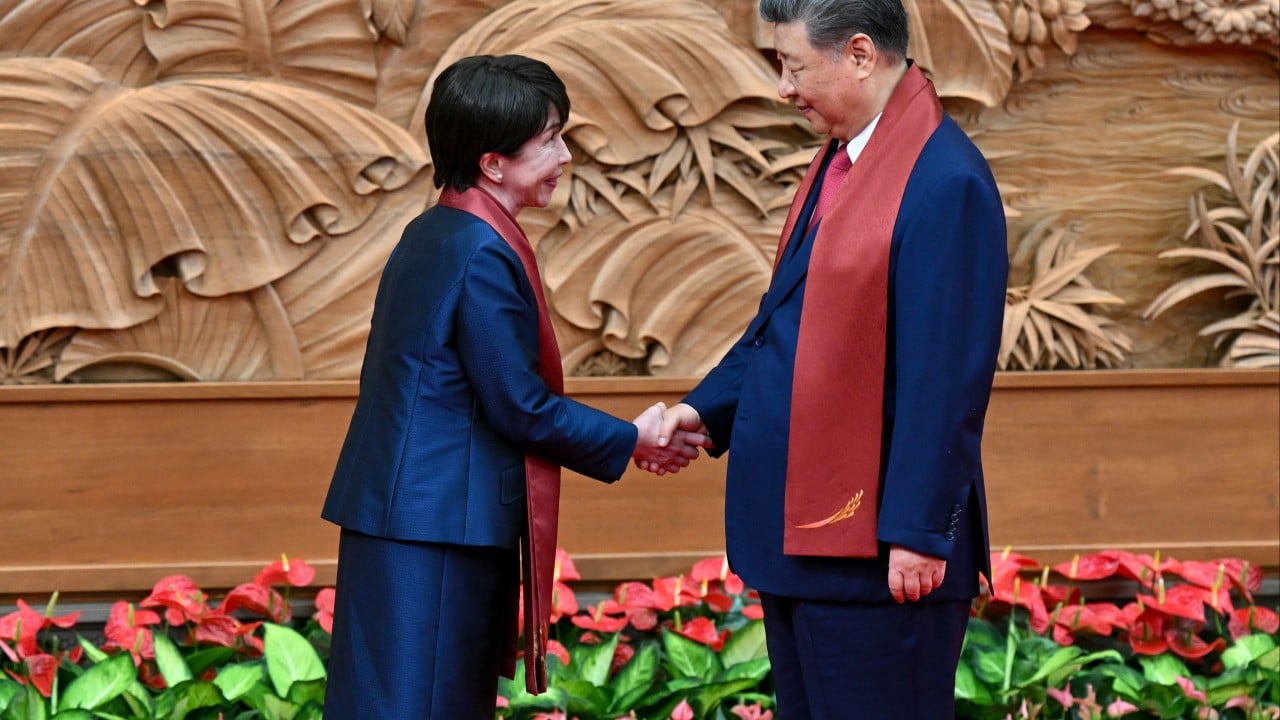
Diplomacy rarely hinges on grand speeches. Usually, it comes down to a single, calculated sentence whispered before the cameras roll. When Japanese Prime Minister Sanae Takaichi stepped up to Chinese President Xi Jinping at the APEC summit and thanked him for hosting, political analysts across East Asia immediately sat up straight.
It looked like basic manners. It wasn't. For a different look, consider: this related article.
For months leading up to the summit, relations between Tokyo and Beijing sat in a deep freeze. Trade restrictions, territorial disputes in the East China Sea, and Takaichi's own reputation as a staunch conservative hawk made any warm interaction seem almost impossible. Yet there she was, offering a polite olive branch right out of the gate. If you want to understand where Asian geopolitics is heading right now, you need to look closely at why Takaichi broke the ice this way—and what Xi Jinping actually gets out of it.
The Reality Behind Sanae Takaichi's Diplomatic Gamble
Most western observers misunderstand Takaichi. They see her hardline stance on defense spending, her regular visits to the controversial Yasukuni Shrine, and her vocal support for Taiwan, and they assume she wants permanent conflict with Beijing. That's a massive misreading of how Japanese conservative politics actually works. Similar analysis on this trend has been provided by Reuters.
In Tokyo, only a hawk can safely make peace with China. If a moderate prime minister tries to soften the tone with Beijing, right-wing factions inside the Liberal Democratic Party (LDP) tear them apart for being weak. Takaichi doesn't have that problem. Her conservative credentials are bulletproof. When she thanks Xi Jinping for hosting the APEC summit, nobody in Tokyo can credibly accuse her of selling out Japan's national security.
She used her political capital to lower the temperature. Honestly, she had no choice. Japan's economy relies heavily on Chinese supply chains and consumer markets, even as Tokyo pushes companies to diversify away from the mainland. You can't decouple overnight without triggering a massive recession at home. By offering a simple, low-cost gesture of respect at a multilateral forum like APEC, Takaichi signaled that she's willing to separate security friction from basic diplomatic functioning.
Why Thanking the Host Isn't Just Small Talk
Protocol in East Asian diplomacy is brutal. Every word is vetted by dozens of bureaucrats in the Ministry of Foreign Affairs weeks before a handshake happens. Nothing is accidental.
When Takaichi thanked Xi for hosting APEC, she was doing three distinct things at once:
- Validating China's regional leadership. Beijing cares deeply about prestige and "face" on the international stage. Acknowledging Xi's role as host feeds directly into China's desire to be seen as a responsible global power.
- Creating a safe off-ramp. Neither leader wanted to look like the one begging for a meeting. Using the summit's logistics as an opening line allowed both sides to engage without losing domestic credibility.
- Testing the waters for bilateral talks. A warm opening remark acts as a barometer. If Xi responded coldly, Takaichi's team knew immediately that substantive talks on seafood bans or detained Japanese nationals were dead on arrival.
If you've ever watched high-stakes corporate mergers fall apart over ego, you get the dynamic here. Sometimes you need a neutral excuse just to get people sitting at the same table. APEC provided the excuse, and Takaichi provided the opening line.
What Most People Miss About Xi Jinping's Position
It's easy to frame this entirely around Japan's needs, which is what most headlines do. That misses half the equation. Xi Jinping needed this icebreaker just as much as Takaichi did.
China's domestic economy is facing brutal headwinds. Real estate slumps, youth unemployment, and shrinking foreign direct investment have forced Beijing to rethink its aggressive "Wolf Warrior" diplomacy. Alienating Tokyo while simultaneously fighting trade wars with Washington and Brussels is a losing strategy, and Xi knows it.
Beijing wants Japanese capital and technology back. By accepting Takaichi's polite opening without immediately lecturing her on history or Taiwan, Xi signaled to Chinese state media—and by extension, the Chinese public—that relations with Japan might be stabilizing. You could practically see the shift in how state outlets covered the handshake compared to their rhetoric six months earlier.
The Unresolved Flashpoints Nobody Can Ignore
A polite thank-you doesn't erase decades of hostility. Anyone telling you that Tokyo and Beijing are suddenly best friends isn't paying attention to the military hardware moving around the Western Pacific.
The core disputes haven't budged an inch. Chinese Coast Guard vessels still patrol waters near the Japanese-administered Senkaku Islands (which Beijing claims as the Diaoyu Islands) on a near-daily basis. Japan is still doubling its defense budget and deepening its military integration with the United States, Australia, and the Philippines.
And then there's Taiwan. Takaichi has repeatedly stated that a crisis in the Taiwan Strait is an existential threat to Japan. Beijing views that stance as direct interference in its internal affairs. No amount of summit pleasantries will bridge that gap. What this icebreaker actually achieves is much more modest—and much more practical. It establishes guardrails so that an accidental collision between a Chinese ship and a Japanese vessel doesn't spiral into an unintended war because nobody was speaking to each other.
How to Read East Asian Summits Like an Insider
If you track international markets, supply chains, or geopolitical risk, you can't just read the official press releases after these meetings. Those statements are full of empty diplomatic boilerplate about "mutually beneficial strategic relationships." Instead, watch the body language and the micro-interactions.
Pay attention to who initiates the greeting and how long the handshake lasts. Look at whether both leaders bring their top economic ministers into the room, or if the meeting is strictly staffed by defense and foreign policy officials. When Takaichi led with gratitude for the APEC hosting duties, she deliberately framed the interaction around regional cooperation rather than bilateral grievances.
Keep your eyes on three concrete indicators over the next ninety days to see if this icebreaker actually worked:
- Regulatory movement on Japanese imports. Watch whether Beijing quietly lifts remaining restrictions on Japanese seafood and agricultural products.
- Visa-free travel updates. China has been rolling out short-term visa exemptions to boost tourism; extending or expanding this for Japanese business travelers is a massive tell.
- Working-level ministry meetings. When mid-level bureaucrats in Tokyo and Beijing start scheduling boring technical talks on customs, environment, and finance, you'll know the diplomatic thaw is real.
Watch those three metrics closely, ignore the dramatic nationalist rhetoric on social media, and you'll have a clearer picture of Asian stability than most pundits on television.