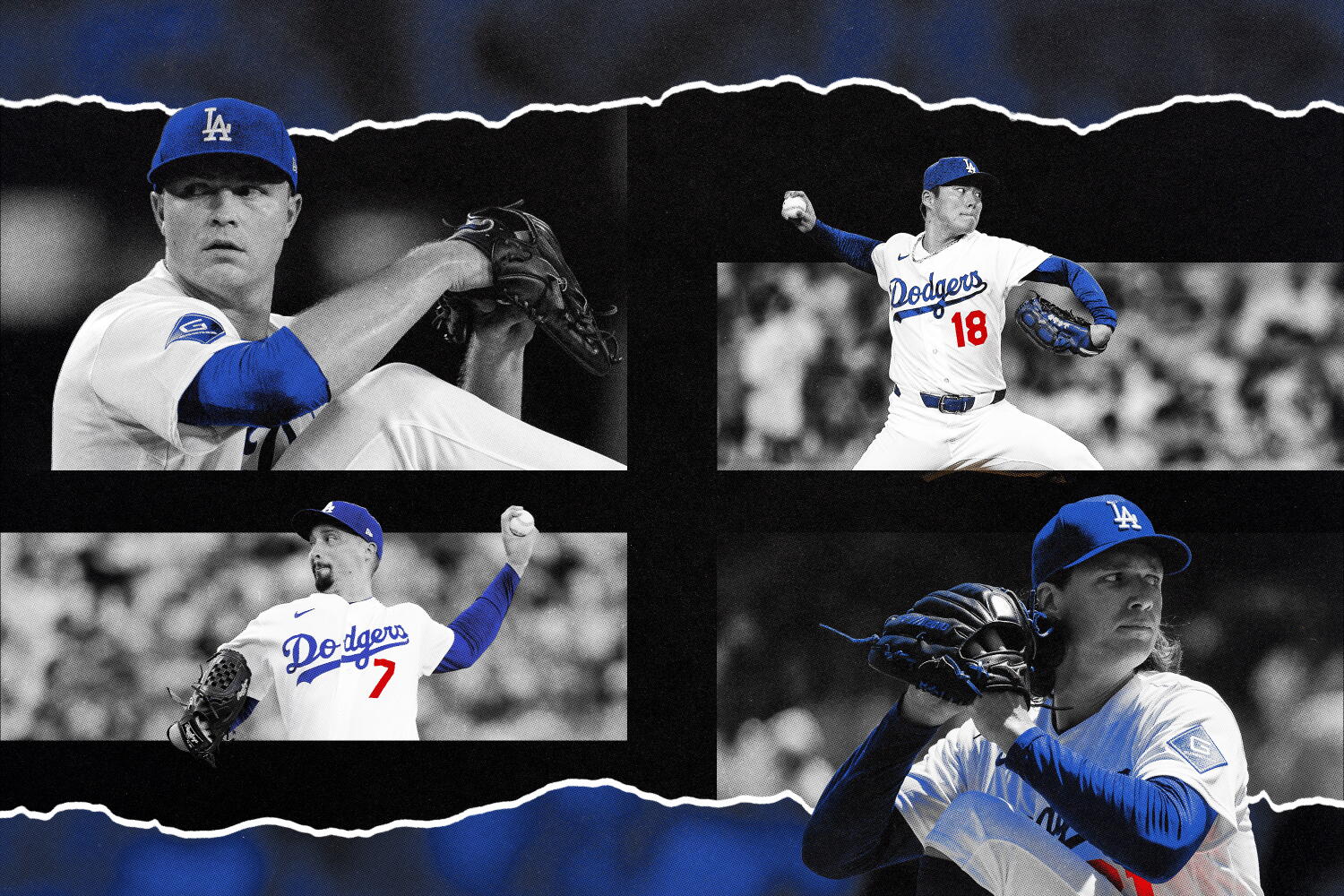
Baseball championships are rarely won in the spreadsheet room, but they are frequently lost there. When the Los Angeles Dodgers navigate an October schedule without burning their high-leverage arms into the ground against Atlanta, the ripple effects alter the mathematical reality of a postseason series against Milwaukee.
Load management in Major League Baseball has evolved from a cautious luxury into an uncompromising survival strategy. Modern front offices understand a brutal biological truth. Pitchers who exceed strict workload thresholds in high-stress September environments experience diminished velocity and compromised spin rates by the time the calendar flips. The Dodgers avoided the catastrophic bullpen drains that routinely cripple October rotations. By shielding their primary starters from unnecessary late-season stress, they created a structural advantage over opponents who had to empty their chambers just to secure playoff seeding.
The True Cost of Short Rest
Conventional wisdom among old-school managers once demanded that frontline starters pitch deep into games regardless of the score or the month. That philosophy treated human ligaments and tendons like industrial steel. The data tells a different story. When a starting pitcher surpasses one hundred pitches repeatedly under high-pressure postseason pressure, recovery windows shrink from five days to four, and the microscopic tearing in the elbow and shoulder compounds.
The Milwaukee Brewers built their success on pitching infrastructure, but their organizational philosophy often relies on aggressive bullpen deployment and maximizing every available arm to stay competitive in a smaller market. That approach works brilliantly over a grueling one-hundred-and-sixty-two-game marathon. In a short, five- or seven-game series, however, it leaves little margin for error if fatigue sets in.
Consider a hypothetical October matchup where a frontline starter is asked to throw one hundred and ten pitches on short rest. Historical performance metrics show that opposing hitters slug significantly higher against any pitcher working on three or four days of rest compared to five or six. The velocity drop might only be one mile per hour, but in the modern era of elite velocity and sweeping breaking balls, that microscopic difference transforms a swing-and-miss offering into a mistake over the heart of the plate.
Bullpen Architecture and Postseason Attrition
Depth is the hidden currency of October baseball. A rotation is only as formidable as the arms waiting to bridge the gap to the ninth inning.
When a team overextends its rotation during the final weeks of the regular season, the bullpen inevitably absorbs the shockwaves. Relief pitchers are rushed into high-leverage spots with tired arms, leading to predictable collapses. The Dodgers managed their roster architecture with an eye toward ultimate preservation. By utilizing tactical bullpen games and carefully monitoring pitch counts, they ensured their high-leverage relievers arrived at the postseason with fresh legs and elite stuff.
Milwaukee faces a different structural reality. Their bullpen has historically relied on finding undervalued arms and maximizing their output through elite pitching coaching. That system produces incredible results, but it also creates heavy workloads for specific high-leverage relievers. If those arms are forced to shoulder an immense burden early in a series, the cracks begin to show by game four or five. Hitters begin to time fastballs that have lost a tick of life, and the entire defensive structure wobbles.
Navigating the October Gauntlet
The path through the National League playoffs demands relentless execution. Every tactical decision made by a coaching staff echoes through the subsequent rounds.
When facing an opponent whose rotation is rested and synchronized, an opposing manager cannot afford to guess wrong. If an early hook exposes a vulnerable middle relief corps, the game can slip away in a single inning. This is where strategic restraint pays massive dividends.
The Dodgers did not win their division by accident; they engineered their regular-season usage rates to peak precisely when the autumn air turned crisp. Their starting pitchers enter the series against Milwaukee operating at peak efficiency, capable of working deep into games without requiring immediate panic moves from the dugout.
Baseball remains a game of adjustments, but physical recovery underpins every tactical choice a manager makes. The team that arrives at the ballpark with healthy joints, uncompromised mechanics, and fully restored energy reserves holds the ultimate trump card. October does not reward the team that tries the hardest in September. It rewards the team that has something left in reserve when the lights shine brightest.