Every few years, the international relations commentariat loses its collective mind over the race for the United Nations Secretary-General. Articles flood the press warning that this specific election will either save the multilateral system or plunge the globe into terminal chaos. The narrative is always identical. The world is at a crossroads. The threats are unprecedented. Therefore, the choice of the next top bureaucrat will make or break the organisation.
It is absolute nonsense.
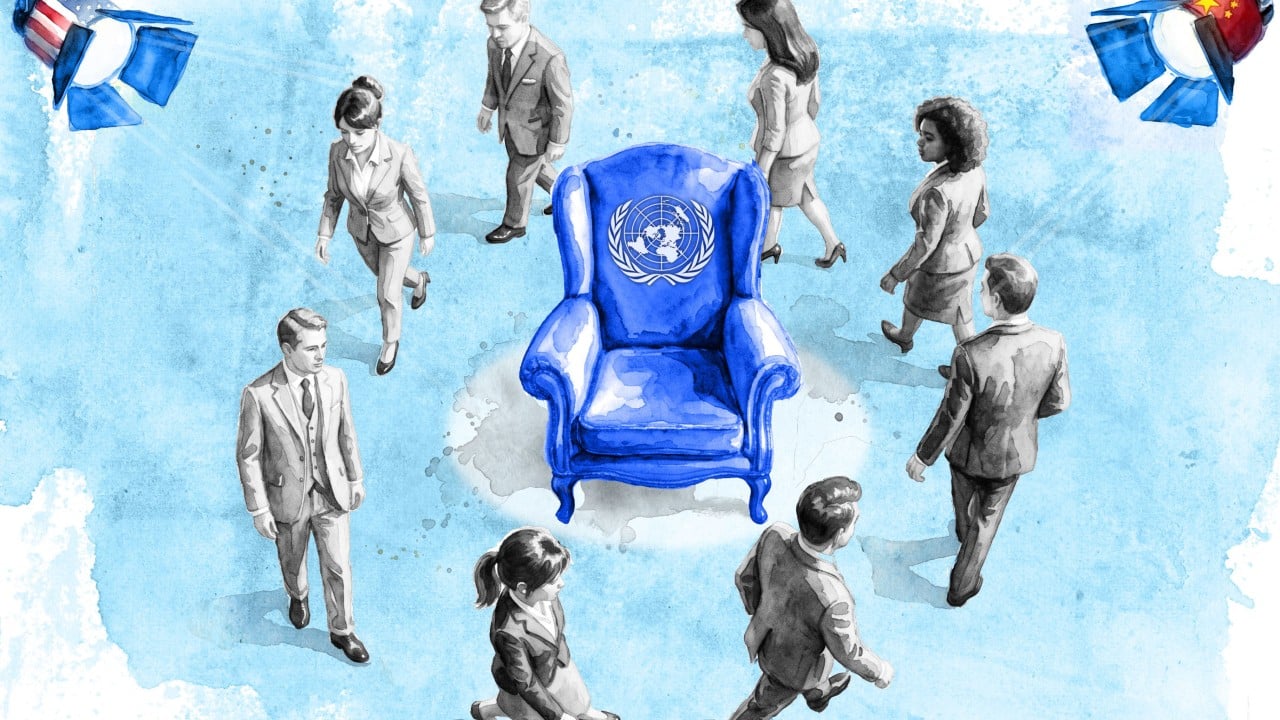
I have spent two decades watching diplomats shuffle through glass corridors in New York and Geneva, whispering about succession like medieval courtiers picking a new pope. The breathless anxiety misses the structural reality of modern geopolitics. The Secretary-General does not steer the ship. They are the hood ornament.
To understand why the obsession with this selection process is a grand distraction, you have to look past the press releases and examine how power actually flows in the international system.
The Myth of the Chief Executive
The lazy consensus in mainstream foreign policy analysis rests on a fundamental category error. Commentators treat the UN Secretary-General like the CEO of a multinational corporation or the prime minister of a sovereign state. They assume the officeholder commands resources, sets strategic direction, and holds executive authority.
Nothing could be further from the truth.
Article 97 of the UN Charter defines the Secretary-General as the "chief administrative officer" of the organisation. Notice the word. Administrative. Not commander. Not visionary-in-chief. Administrative.
When you strip away the diplomatic pleasantries, the Secretary-General is essentially a high-class secretary with a fancy title and a fleet of black sedans. They manage a sprawling, risk-averse secretariat plagued by bureaucratic inertia and competing national interests. They do not command armies. They do not control state budgets. They cannot compel any of the five permanent members of the Security Council to change course by a single millimeter.
Imagine a scenario where a newly elected Secretary-General wakes up on day one, ignores the diplomatic script, and decides to aggressively broker peace in a major conflict without the explicit, unanimous backing of Washington, Beijing, and Moscow. Within forty-eight hours, the budget of their preferred initiatives will be gutted, their special envoys will be frozen out, and their public statements will be aggressively undermined by their own department heads.
Power in the UN system does not reside on the thirty-eighth floor of the Secretariat building. It resides in the capitals of the P5. It resides in the barrel of a security veto and the ledger of assessed contributions. Pretending that swapping out the person holding the clipboard will alter this dynamic is either breathtakingly naive or intentionally misleading.
The Geography of Compromise
The selection process itself is engineered to produce the lowest common denominator. Because the appointment requires a recommendation from the Security Council followed by approval from the General Assembly, any candidate who possesses a genuinely independent vision, sharp elbows, or a track record of radical institutional reform is disqualified immediately.
The permanent members hold an absolute veto. If you want the job, you must pass through a gauntlet of mutual distrust. The United States, China, Russia, France, and the United Kingdom will never back a leader who might actually challenge their strategic prerogatives.
What emerges from this backroom haggling is not a visionary statesman. It is a seasoned diplomat who has mastered the art of saying nothing in five languages. They are chosen precisely because they are safe, predictable, and unlikely to rock the geopolitical boat.
We measure candidates by geographic rotation and gender representation, treating identity politics as a substitute for institutional power. While regional rotation matters for optics, it does nothing to alter the structural impotence of the office. A Secretary-General from Eastern Europe, Latin America, or the Global South operates under the exact same structural constraints as their predecessors. They inherit a bloated budget, a risk-averse legal framework, and a member-state constituency that treats international law as a convenient talking point rather than a binding constraint.
Why Fixing the UN Requires Ignoring the Secretary-General
If you genuinely care about the future of international cooperation, stop obsessing over the UN top job. Energy spent anointing or critiquing candidates is energy stolen from addressing structural failures.
The real crisis of the multilateral order is not leadership quality. It is relevance.
When regional conflicts flare, superpowers bypass the UN Security Council entirely, resorting to minilateral coalitions, economic sanctions, and proxy engagements. Climate finance is negotiated in fragmented bilateral deals and private-sector commitments rather than sweeping treaty frameworks. Humanitarian aid is increasingly channeled through specialized agencies and non-governmental organisations that can move faster and cleaner than the glacial machinery of the UN Secretariat.
The organisation is being bypassed not because Dag Hammarskjöld or Kofi Annan had unique qualities that current contenders lack, but because the architecture designed in 1945 cannot process the multipolar realities of the twenty-first century.
When an institution's foundational rules grant veto power to the very states most likely to commit violations of international norms, the problem is not the driver. The problem is that the car is built out of lead.
The Uncomfortable Truth About Global Governance
Admitting this reality is professionally hazardous for career internationalists. If you concede that the Secretary-General is largely irrelevant to the grand sweep of history, you invalidate entire libraries of policy papers, academic departments, and diplomatic careers.
It is much easier to pretend that the next election is a historic turning point. It provides media outlets with a dramatic storyline and gives diplomats a reason to throw expensive receptions in Manhattan.
The honest assessment is stark. The next Secretary-General will manage crises at the margins, issue deeply concerned statements when international law is trampled, and preside over a bureaucracy that struggles to audit its own expenditures. They will do this regardless of their nationality, their gender, or their rhetorical flair.
Stop waiting for a savior in a tailored suit to rescue the multilateral system. The system was designed to deadlock, and no amount of brilliant diplomacy will ever override a veto.