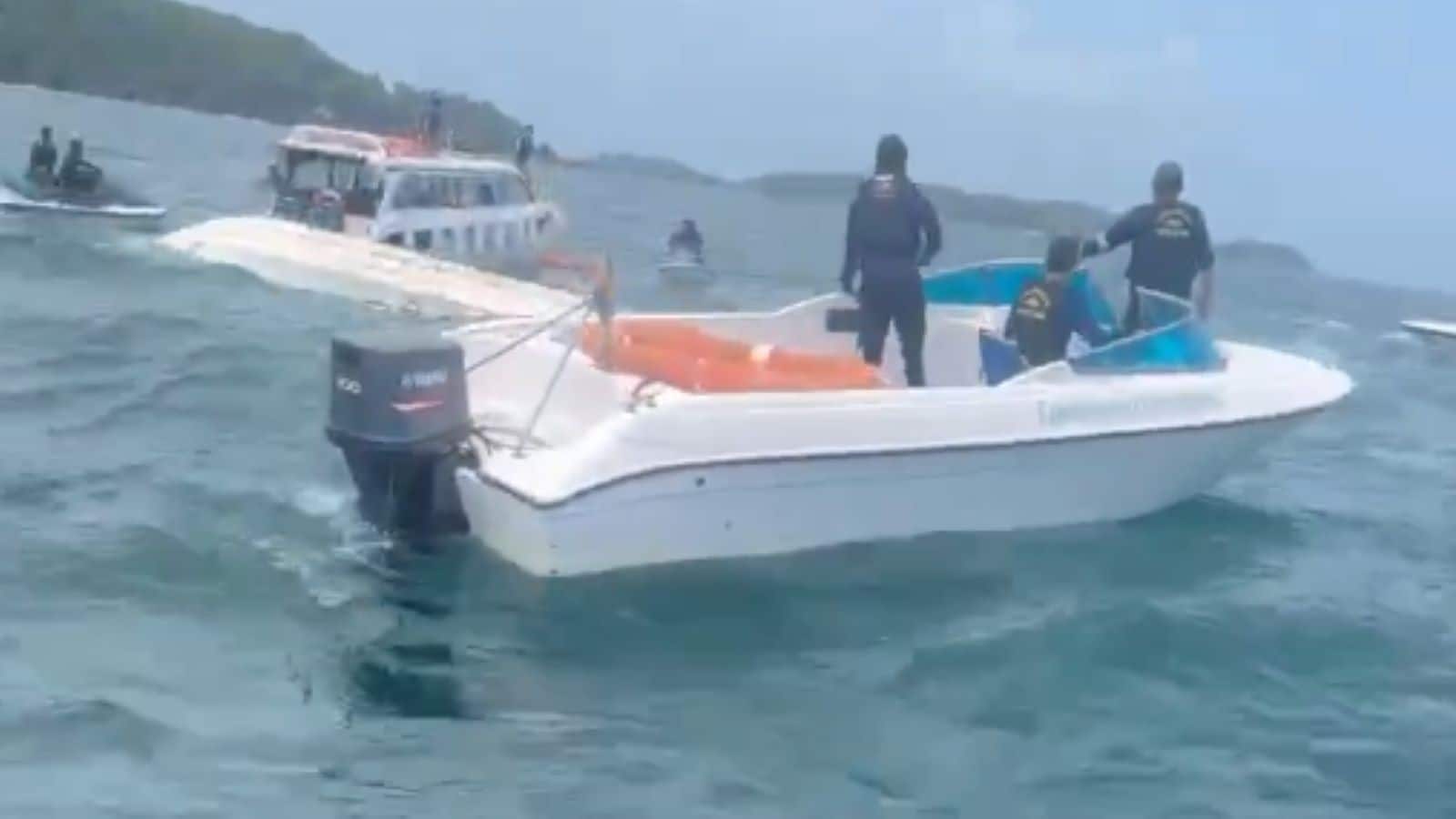
The tragic capsizing of a tourist speedboat off Vietnam’s Phu Quoc Island has left fifteen Indian nationals dead and exposed the deep fractures underlying Asia’s fastest-growing tourism pipeline. On July 11, 2026, a vessel operated by the Ocean Pear Island Company went under in rough waters near Hon May Rut Ngoai island, trapping passengers beneath its hull. Thirty-two Indian tourists, along with four crew members and an attendant, were on board when the vessel overturned just 400 meters from the shore. The disaster is not an isolated maritime accident. It is a severe indictment of an outbound tourism market expanding far faster than the safety frameworks designed to protect it.
For years, Southeast Asian destinations have aggressively courted the burgeoning Indian middle-class traveler. Simplified visa regimes, direct flight routes, and highly coordinated social media campaigns have transformed places like Phu Quoc from quiet fishing outposts into international hotspots. Yet, this rapid influx of visitors has outpaced local regulatory enforcement, leaving holidaymakers reliant on unvetted domestic operators who prioritize volume over safety.
Rough Seas and Flawed Industry Standards
The afternoon excursion was supposed to be a routine island-hopping trip through the An Thoi archipelago, a popular destination famed for its coral reefs and diving spots. Instead, around 1:00 p.m., the speedboat encountered severe wind and high waves. Witnesses from nearby vessels reported that while there was no active rainfall, the sea conditions were visibly hazardous. The vessel turned upside down within minutes, leaving the majority of the passengers completely trapped inside the enclosed space of the speedboat.
Rescuers from adjacent tourist boats arrived at the scene within five minutes, but the structural design of the vessel turned it into a submerged trap. Only a few individuals were pulled from the water conscious. The local border guard, navy, and coast guard eventually recovered twenty-one survivors, with several requiring critical medical treatment at nearby facilities.
Initial reports from the Phu Quoc Special Economic Zone authorities pointed toward a sudden technical malfunction combined with environmental factors. However, maritime analysts suggest that the systemic issue lies in how these day-trips are monitored. Speedboats built for high capacity but lacking adequate escape vectors are routinely deployed during borderline weather conditions to avoid losing daily revenue.
The Regulatory Void in Outbound Tour Operators
When an Indian traveler books an international vacation package through a domestic travel agency, there is a widespread assumption of safety. That assumption is entirely decoupled from reality. Indian tour operators function largely as aggregators, bundling flights, hotels, and local activities managed by third-party subcontractors thousands of miles away.
- No Safety Audits: Domestic agencies rarely conduct independent physical safety audits of the marine vessels, ground transport, or adventure infrastructure they promote.
- Liability Shifts: Fine print in standard booking contracts explicitly absolves the primary travel agency of any liability regarding injuries or fatalities incurred during third-party excursions.
- Price Under-cutting: To offer competitive rates, local destination management companies often hire the cheapest available operators, who frequently skimp on maintenance and mandatory safety briefings.
The reality is stark. Millions of tourists board small vessels every week in foreign waters without ever knowing if the captain is properly certified, if the boat carries functioning life vests for every passenger, or if the vessel's weight capacity limits are strictly observed.
A Missing Consular Protocol for Mass Casualties
The response from the Indian government highlights another glaring gap in the country's massive outbound travel push. While Prime Minister Narendra Modi expressed grief and diplomatic missions set up emergency control rooms in Hanoi and Ho Chi Minh City, the actual execution of consular crisis management remains largely reactive.
India currently lacks a standardized, proactive rapid-response protocol tailored to handle mass tourist casualties abroad. When a crisis of this scale strikes, families back home are left navigating a confusing maze of foreign police departments, hospital administrative bodies, and complex international repatriation laws. In this instance, the state government of Andhra Pradesh had to independently scramble resources to identify how many victims originated from its districts, illustrating a fragmented data-sharing infrastructure between central diplomatic channels and regional home states.
Compare this to the consular frameworks of nations with older, established outbound travel populations. Countries like the United Kingdom or Germany maintain active travel advisories that go beyond political risk, explicitly warning citizens about specific regions where local transport or maritime regulations fail to meet international benchmarks. They also deploy immediate on-the-ground consular teams to coordinate directly with local forensic and medical institutions during mass casualty events.
The True Price of Cheap Coastal Tourism
The economic drive behind Phu Quoc’s tourism push explains the reluctance to enforce stricter operational halts during adverse weather. The island welcomed over five million tourists in the first half of this year alone, reflecting a significant year-on-year increase. Foreign arrivals, heavily driven by the Indian market, surged by over fifty percent. This sheer volume creates immense pressure on local operators to keep boats moving, even when the Gulf of Thailand exhibits volatile conditions.
A maritime safety specialist operating out of Singapore, speaking on the condition of anonymity, noted that small-scale commercial speedboats are highly vulnerable to shifting centers of gravity. When a large wave hits a vessel loaded to its absolute maximum capacity, any sudden movement of passengers trying to avoid water can lead to an irreversible capsizing event. If the boat features a rigid canopy or enclosed cabin structure, the chances of survival drop exponentially as it flips.
The Phu Quoc tragedy must force a fundamental reevaluation of how outbound tourism is managed from the point of origin. India cannot continue to celebrate its status as a global tourism powerhouse without demanding enforceable safety guarantees from the nations receiving its citizens.
Tour operators must be legally mandated to verify the maritime compliance certificates of their international vendors. Governments must establish transparent, accessible safety registries for popular overseas excursions. Until accountability is hardcoded into the booking process, the cost of a tropical holiday will continue to be measured in human lives.