Sunita wakes up at 5:00 AM in a cramped apartment in the suburbs of Mumbai. Before she makes tea, before she wakes her children, she looks at her reflection in a cracked mirror. She sees the puffiness in her face and feels the familiar, dull ache in her knees—the physical manifestation of a metabolic war her body is losing. She knows the names of the "miracle" drugs. She sees the TikTok clips of Hollywood stars looking skeletal and radiant, talking about injections that melt fat away like wax under a flame. But for Sunita, and for millions like her across the Global South, those drugs might as well be on Mars. At $1,000 a month, they are a fantasy, a luxury for a world that doesn’t have to choose between medicine and school fees.
This is the silent geography of the obesity crisis. For decades, we have treated weight as a moral failing or a Western quirk. We were wrong. The crisis has shifted. It is now a burden carried most heavily by developing nations, where cheap, calorie-dense processed foods have outpaced the infrastructure of public health. But the tide is turning in an unexpected place. The same labs that broke the back of the HIV/AIDS monopoly twenty years ago are now turning their sights on the most sought-after molecules in modern history.
India is preparing to do what it does best: democratize survival.
The Patent Wall and the Price of Hope
To understand the stakes, you have to understand the molecule. Semaglutide, the active ingredient in the world’s most famous weight-loss injections, is a synthetic version of a hormone our bodies produce naturally. It tells the brain we are full. It slows the stomach. It fixes the broken signaling that makes obesity a chronic disease rather than a lack of willpower.
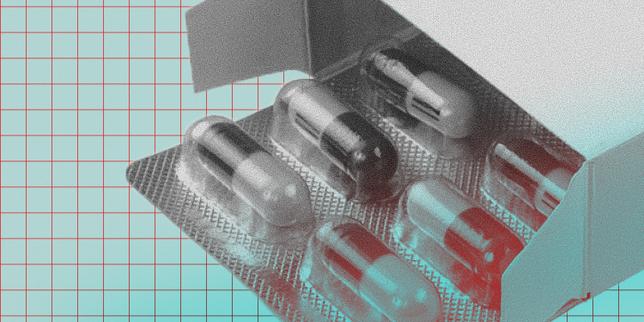
But patents are a fortress. Currently, a handful of Western pharmaceutical giants hold the keys. They have priced these drugs for the elite, reaping tens of billions in revenue while the vast majority of the global population watches from the sidelines. This isn't just a matter of vanity. For a person with Type 2 diabetes in a rural village, these drugs are the difference between keeping a limb and losing it.
The pharmaceutical industry often argues that high prices are necessary to fund the "R&D" of tomorrow. There is a logic there, but it is a logic that collapses when you look at the human cost. When the price of a life-saving intervention is set at a level that 95% of the planet cannot afford, the "innovation" is only a partial success. It is a lighthouse that only shines on the yachts.
The Hyderabad Counter-Attack
Enter the industrial parks of Hyderabad and Ahmedabad. Inside these gleaming facilities, chemists are working with a quiet, frantic intensity. They aren't looking to invent a new molecule; they are looking to master the one that already exists. India’s pharmaceutical sector is a juggernaut built on "reverse engineering"—the art of taking a complex compound apart and finding a way to rebuild it cheaper, faster, and at a scale that defies imagination.
Consider the precedent. In the early 2000s, HIV was a death sentence in Africa because the cocktail of drugs cost $10,000 per patient, per year. An Indian company named Cipla stepped forward and offered the same drugs for $350 a year. They broke the price floor. They saved millions of lives.
The same script is being written for obesity. More than a dozen Indian firms, including giants like Dr. Reddy’s and Sun Pharma, are currently developing their own versions of these GLP-1 drugs. Some are waiting for patents to expire; others are developing "bio-similars" or unique delivery methods that could bypass legal hurdles.
The goal? To bring the price down from $1,000 a month to perhaps $5 or $10.
That change isn't just a discount. It is a seismic shift in global economics. When weight loss becomes affordable at a systemic level, the ripple effects touch everything from workforce productivity to the long-term solvency of national healthcare systems.
The Hidden War on Metabolic Health
There is a misconception that obesity is a "rich person's problem." The reality is far grimmer. In nations like India, Brazil, and Mexico, we see the "double burden" of malnutrition. This is a cruel irony where a single household may have a child who is stunted from lack of protein and an adult who is obese from an over-reliance on cheap, refined carbohydrates.
Metabolism is the engine of the human machine. When that engine starts to smoke, the whole vehicle breaks down. We are talking about a projected 4 billion people being overweight or obese by 2035. Most of those people live in countries that cannot afford the dialysis machines, the heart surgeries, and the stroke recovery centers that follow a lifetime of untreated obesity.
If India can flood the market with high-quality, low-cost weight-loss drugs, they aren't just selling a product. They are providing a pressure valve for a global health system that is currently on the verge of exploding.
The Fear of the "Copycat"
Of course, the Western establishment is nervous. You will hear whispers about "quality control" or "counterfeit risks." There is a persistent narrative that if it’s made cheaply in the East, it must be inferior.
But the data tells a different story. India already provides 40% of the generic drugs used in the United States. If you have taken a pebble-shaped pill for an infection or a blood pressure medication in the last five years, there is a high probability it came from an Indian vat. The expertise is there. The regulatory rigor is catching up.
The real fear isn't that the drugs won't work. The real fear is that they will.
If a generic version of a blockbuster drug hits the market at a 90% discount, the profit margins of the world’s biggest companies will vanish. The monopoly will shatter. For the CEOs in Basel and New Jersey, this is a nightmare. For Sunita in Mumbai, it is the first time she might be able to breathe without weight pressing down on her lungs.
A Choice of Narratives
We have to ask ourselves what kind of world we want to inhabit. Is it a world where health is a subscription service available only to those with the right zip code? Or is it a world where the brilliance of human chemistry is shared as a common good?
The "invisible stakes" here aren't just about waistlines. They are about the sovereignty of the body. When a person is trapped in a cycle of metabolic disease, they lose their agency. They lose their ability to work, to play with their children, to contribute to their community. By slashing the cost of these treatments, India is essentially offering a mass-scale restoration of human agency.
The transformation won't happen overnight. There are legal battles to be fought in international courts. There are complex manufacturing hurdles—these aren't simple pills; they are delicate biological proteins that require sophisticated refrigeration and "cold chain" logistics.
But the momentum is undeniable.
The Final Frontier of Medicine
We are standing at the edge of a new era. The 20th century was defined by the fight against infectious diseases—polio, smallpox, malaria. The 21st century is defined by the fight against "lifestyle" diseases that are actually "system" diseases. We have built a world that makes us sick, and now we must use our highest technology to heal the damage.
As Sunita finishes her tea and prepares for her commute, she isn't thinking about patent law or trade TRIPS agreements. She is thinking about her mother, who lost her sight to diabetes. She is thinking about her own future.
Somewhere in a lab in Hyderabad, a technician is monitoring a bioreactor. The liquid inside is clear, cold, and incredibly precious. It is a molecule that has the power to reshape the health of the planet. And for the first time, it won't just be for the few.
The pharmacy is open. The price is falling. The world is waiting.
The heavy, suffocating blanket of a global epidemic is finally starting to fray at the edges, torn apart by the very hands that once labored in the shadows of the giants.