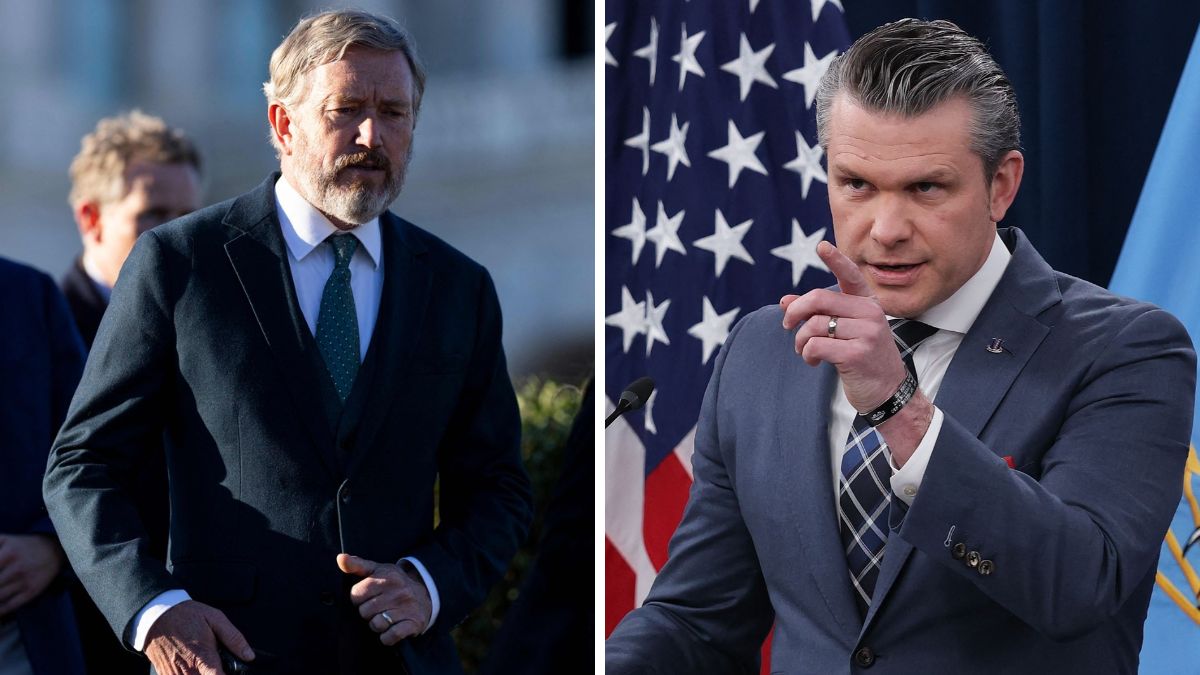
Seven months is an eternity in Washington. When a sitting Defense Secretary avoids the Pentagon press room since May, people notice. When he finally decides to step back behind that podium right in the middle of active impeachment efforts against him, you know the political temperature has hit a boiling point.
Pete Hegseth is scheduled to deliver his first formal Pentagon news briefing since May, breaking a stretch of media silence that has frustrated the defense press corps and fueled endless speculation on Capitol Hill. This isn't just another routine afternoon update on troop movements or defense budgets. It's a high-wire political act happening while House lawmakers push forward with efforts to remove him from office.
If you've been following the coverage, you've probably seen plenty of surface-level hot takes. Most outlets treat this like standard cable news theater. They're missing the actual mechanics of why this briefing is happening now, what the impeachment push actually looks like behind closed doors, and how Pentagon communications work when a cabinet secretary is fighting for political survival.
The Seven-Month Silence Inside the Pentagon
Let's be honest about how unusual this gap really is. Historically, Defense Secretaries use the Pentagon briefing room to project stability, explain military operations to the American public, and control the narrative before leaks do it for them. Going from May without stepping up to that podium creates a vacuum. And in Washington, vacuums always get filled by your enemies.
During the months Hegseth stayed away from formal briefings, the Pentagon relied heavily on press releases, selective television appearances, and background statements from spokespeople. That strategy works fine when things are quiet. It falls apart the second controversy hits.
Reporters credentialed to the Pentagon press corps—journalists who spend their careers tracking defense procurement, military readiness, and senior leadership—don't like being kept at arm's length. When you shut them out for over half a year, every minor administrative misstep turns into a front-page story. The friction between the Secretary's office and the press room has been building for months, making his return to the podium feel less like a victory lap and more like a forced reckoning.
Why Cabinet Officials Avoid the Podium
I've watched political communications teams operate during crisis cycles for years, and the instinct to bunker down is always strong. Advisors tell their boss that taking unscripted questions from beat reporters only creates soundbites for the opposition. On paper, avoiding the briefing room limits unforced errors.
In practice, it does the exact opposite. When a Defense Secretary stops taking questions, Congress steps in to demand answers through formal hearings, subpoenas, and public resolutions. You trade twenty minutes of tough questions from journalists for months of coordinated political attacks from lawmakers who have subpoena power.
What Is Driving the Impeachment Efforts Against Hegseth
You can't separate this news briefing from the impeachment push happening simultaneously. Even when impeachment resolutions face steep mathematical odds in Congress, they carry massive political weight. They force members on the record. They dominate news cycles. And they make it nearly impossible for a cabinet official to focus on actual policy.
The push to impeach Hegseth stems from mounting criticism over his leadership, management decisions at the Department of Defense, and disputes with lawmakers over oversight and transparency. Critics in Congress argue that his handling of key Pentagon matters warrants formal constitutional accountability, while his defenders dismiss the effort as pure partisan warfare aimed at weakening the administration's national security agenda.
How Cabinet Impeachment Actually Works
Most people hear the word impeachment and immediately think of a president being removed from office. For a cabinet secretary, the process follows the exact same constitutional track under Article II, Section 4, though it happens far more rarely in American history.
- House Investigation and Articles: A member introduces impeachment resolutions, which are typically referred to the House Judiciary Committee for review and markup.
- Simple Majority Vote: If articles reach the House floor, a simple majority vote is all it takes to impeach the official.
- Senate Trial: Once impeached, the case moves to the Senate, where a two-thirds supermajority is required for conviction and removal from office.
Even if an effort stalls before reaching a two-thirds vote in the Senate, the political damage happens during the House phase. Every committee hearing becomes a televised prosecution. By stepping back into the Pentagon briefing room now, Hegseth is trying to seize back the microphone before lawmakers completely own the narrative.
What Reporters Will Actually Ask at the Briefing
Forget the softballs you see on friendly morning shows. The Pentagon press corps operates differently. These are reporters who read Inspector General reports for fun and know the difference between an authorization bill and an appropriations bill.
When Hegseth steps up to the lectern, he won't get to stick strictly to prepared talking points. Here is what the room will focus on immediately.
- The Impeachment Resolution: Reporters will ask directly whether the impeachment push is distracting him from running the military and whether he plans to resign if the pressure escalates.
- The Seven-Month Gap: Expect pointed questions on why it took since May to hold a formal briefing and whether this signals a permanent shift toward regular press access.
- Congressional Oversight: Journalists will press him on compliance with document requests and upcoming testimony before the Armed Services Committees.
- Operational Readiness: Beneath all the political noise, beat reporters will push for concrete answers on active global deployments, defense spending priorities, and troop morale.
The smartest move Hegseth could make in that room isn't attacking the press. It's answering the hard questions directly, acknowledging the friction without looking rattled, and pivoting back to specific operational facts that demonstrate command of the building.
The Real Stakes for the Department of Defense
Political drama in Washington often feels disconnected from real life, yet instability at the top of the Pentagon has genuine consequences. The Department of Defense manages hundreds of billions of dollars, oversees millions of active-duty service members, reservists, and civilian employees, and coordinates security alliances across the globe.
When a Defense Secretary is fighting off impeachment efforts, foreign adversaries watch closely. Allies look for signs of distraction or policy reversal. Senior military officers inside the building have to navigate the delicate line between maintaining strict political neutrality and executing orders from civilian leadership under fire.
Why This Briefing Is a Turning Point
If Hegseth handles this briefing cleanly, takes tough follow-up questions without losing his composure, and outlines clear priorities for the department, he buys himself breathing room. He shows skeptical lawmakers that he isn't hiding behind closed doors.
If the briefing goes poorly—if he appears defensive, dodges basic oversight questions, or turns the podium into a partisan rally—it will pour gasoline on the impeachment fire. Moderate lawmakers who might otherwise stay on the sidelines suddenly have fresh video clips explaining why they can't defend him.
How to Watch and Track What Happens Next
Don't rely on thirty-second social media clips to judge how this briefing goes. Cable networks and partisan accounts will slice up the footage to fit whatever angle they already believe.
If you want the real picture, watch the full unedited briefing feed through the Department of Defense website or C-SPAN. Pay close attention to how Hegseth handles the second and third follow-up questions from veteran Pentagon correspondents—that's always where you see whether a leader actually has control of the room. Follow up by checking the Congressional Record and House committee schedules over the next two weeks to see whether the impeachment resolution gains new co-sponsors or quietly loses momentum.