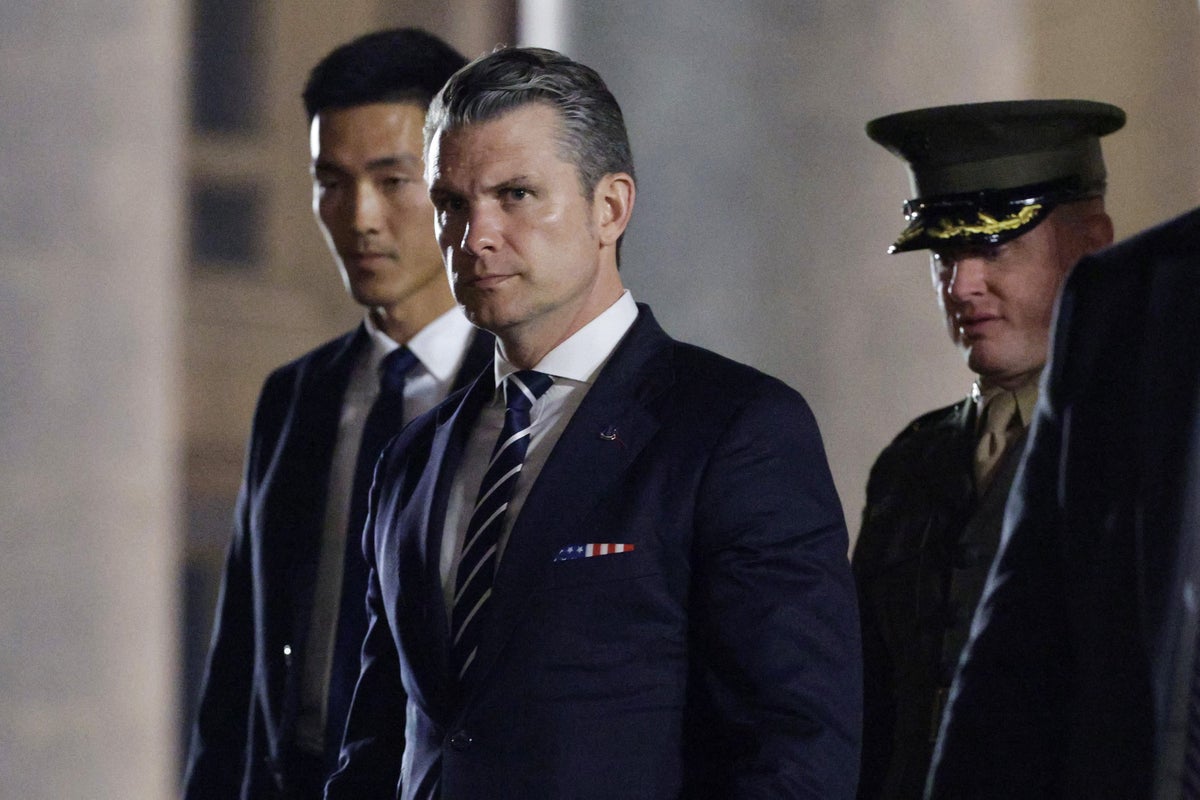
You can't run the world’s most powerful military when you don't trust the people inside it. Fifteen current and former defense officials just blew the whistle on a culture of absolute distrust paralyzing the Pentagon under Secretary Pete Hegseth.
The building is basically eating itself alive from the inside out. While the U.S. juggles massive overseas tensions, the leadership at home is focused on political loyalty tests, blocking promotions, and treating career military personnel like enemy combatants. It's not a strategy. It's pure paranoia.
The Cost of the Ideological Purges
Leadership requires stability. Instead, the Pentagon has seen a relentless purging of top commanders for non-military reasons. Hegseth has already forced out key leaders, including former Army Chief of Staff Randy George, who reportedly pushed back against political interference in the military promotion process.
This isn't just about shuffling desks. Hegseth explicitly targeted Black and female military officers, wiping them from promotion tracks under the banner of an "anti-DEI" campaign. When military professionals stand up for their colleagues or try to protect the traditional merit-based advancement system, they get the axe. The message sent down the ranks is loud and clear: loyalty to the political regime matters more than competence on the battlefield.
Locked Doors and Banished Journalists
The internal panic has leaked heavily into how the building interacts with the outside world. In a bizarre move, the Pentagon barred mainstream journalists from its press office, declaring it a "classified space." Longtime reporters from legacy outlets were pushed out of their physical desks, replaced by a hand-picked roster of ultra-friendly media operations.
Hegseth even went so far as to compare mainstream reporters to biblical "Pharisees" trying to tear down his mission. When an institution stops taking questions, it’s usually because they’re terrified of the answers. This war on transparency doesn't make the country safer. It just signals deep, systemic panic to America's allies and adversaries alike.
Alienating Allies and Upending Deployments
Paranoia doesn't stop at the Potomac River. It's actively poisoning American foreign policy. Hegseth recently blindsided his own staff and international partners by abruptly scrapping a planned deployment of 4,000 U.S. troops to Poland, only to have the administration pull a massive U-turn shortly after.
Our allies are watching this chaotic decision-making with growing dread. Add in Hegseth's widely criticized speeches—like telling European partners they are facing an "invasion" of dangerous ideologies—and you get a Defense Department that is actively fracturing its most critical global alliances.
Micromanagement and the Battle Over Faith
When a leader is consumed by suspicion, they start micromanaging the absurd. Take the recent disaster over the military's recognized religions list. The Pentagon slashed the number of recognized faiths for service personnel from over 200 down to just 31, initially cutting out major groups including the Church of Jesus Christ of Latter-day Saints.
The move sparked a furious, immediate backlash from lawmakers, forcing a humiliating, rapid walk-back. It's a prime example of an administration fixing things that aren't broken, driven by an obsessive desire to reshape every single corner of the military bureaucracy in their own image.
How to Restore Sanity to National Defense
Fixing a broken culture inside a massive bureaucracy requires immediate, structural course corrections.
- Reinstate Objective Promotions: Congress must exert its oversight authority to ensure military promotions are based strictly on operational merit, objective performance evaluations, and leadership capabilities—not political or ideological compliance.
- Restore Media Access: Reopen the Pentagon press corps to all credentialed national security journalists. Transparency is a defense mechanism against bad policy, not a security threat.
- Recommit to Coalition Stability: Stop making erratic, uncoordinated announcements regarding troop drawdowns or deployments in Europe and the Pacific. Consult with joint chiefs and regional allies before changing force postures on a whim.