New York politics is currently running on a loop of pure, unadulterated aesthetic.
When a video of a Madison Square Garden crowd chanting a rhythmic, profane insult at New York City Mayor Eric Adams went viral, the political machine didn’t analyze the underlying policy failures driving the rage. Instead, they did what modern politicians do best: they treated it as a branding opportunity.
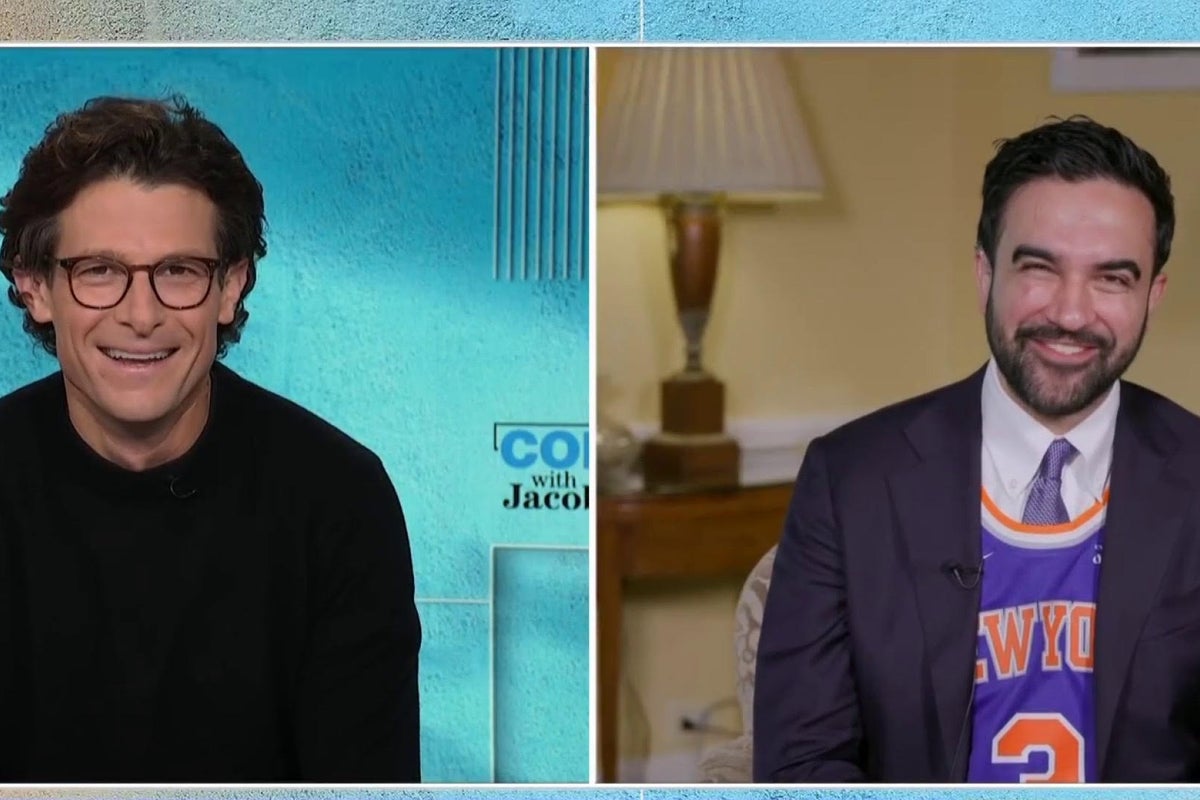
Assemblyman Zohran Mamdani—a democratic socialist representing Astoria—quickly jumped on the trend, reacting with a line that sent political commentators into a frenzy: "My mayor’s Muslim, my bagel’s Jewish."
The media swallowed it whole. It was praised as a witty, quintessentially New York acknowledgment of the city’s diverse cultural fabric, blending the reality of Mayor Adams' personal faith with the iconic cultural markers of the five boroughs.
It is actually a masterclass in the shallow, identity-driven performance that has paralyzed local governance.
By reducing the complex, friction-filled realities of working-class New York life to a clever, rhyming couplet, politicians are pulling a classic sleight of hand. They want you to look at the vibrant mosaic of the city so you don't notice that the subway system is crumbling, housing costs are forcing families out, and the basic machinery of government is stalled.
The Trap of Cosmetic Pluralism
We have entered an era where representing New York has been divorced from serving New Yorkers. The "lazy consensus" among the city's political class is that if you mirror the demographic or cultural quirks of a neighborhood back to its residents, you have done your job.
This is cosmetic pluralism. It values the aesthetic of diversity over the material well-being of the diverse population.
When Mamdani frames the city's identity through the lens of a Muslim mayor and a Jewish bagel, it feels comforting. It evokes a nostalgic, idealized version of New York as a harmonious melting pot. But this rhetorical harmony serves as a shield for a far uglier material reality.
Let's look at the actual data. Under the current administration, the city has faced brutal budget battles over libraries, early childhood education, and social services—amenities that working-class Muslim, Jewish, Black, Brown, and immigrant New Yorkers rely on daily. Acknowledging a leader’s faith or a city's culinary history does nothing to lower the rent in Queens or make the G train run on time.
I have spent years analyzing how political actors leverage cultural capital when their policy playbooks run dry. It is a repeatable, cynical cycle:
- A real crisis or public outburst occurs (like a stadium full of sports fans chanting against the mayor).
- A politician translates that raw anger into a digestible, viral social media moment.
- The conversation shifts from systemic issues to cultural discourse.
- Nothing changes on the ground.
Dismantling the Premise of "Representation as Results"
If you look at the questions frequently asked by voters and political observers, the disconnect becomes glaring. People ask: How does identity politics shape New York City governance?
The premise of the question is flawed because it assumes that identity politics in its current form is a genuine attempt to govern. It isn't. It is an engagement strategy optimized for algorithms.
Imagine a scenario where a local community board is debating a new affordable housing development. The residents don't need a lecture on the multicultural history of the neighborhood; they need to know if their kids can afford to live within four blocks of them. Yet, the public debate almost inevitably devolves into a proxy war over who belongs, who represents whom, and which cultural symbols are being centered.
When politicians lean heavily into viral branding, they are exploiting a psychological loophole. They substitute cultural recognition for material redistribution. If the public accepts the recognition, the politician is absolved of the harder task of delivering tangible results.
The Anatomy of a Political Distraction
To understand how this mechanism operates, we can break down the lifecycle of a modern local political story into a distinct operational loop.
[Raw Public Anger/Viral Outburst]
               │
               ▼
[Politician Reframes Event with Cultural Trope]
               │
               ▼
[Media Amplifies the Aesthetic Commentary]
               │
               ▼
[Policy Failures and Structural Issues Sidelined]
This loop is highly efficient. It requires zero legislative drafting, zero coalition building, and zero budgetary compromise. It only requires a smartphone and a basic sense of rhythm.
The Limits of the Contrarian Counter-Strategy
To be entirely fair, attacking this viral loop comes with its own set of risks. The danger of pointing out the hollowness of identity-driven rhetoric is that it can easily be co-opted by cynical actors who want to dismiss the importance of representation entirely.
Let's be precise: representation matters. Having a government that looks like the populace it serves is a necessary baseline for a functioning democracy. It ensures that historical blind spots are addressed and that marginalized communities have a seat at the table.
But representation is the beginning of governance, not the destination. The moment representation is treated as a substitute for policy outcomes, it becomes reactionary. It becomes a tool used by the establishment to protect itself from critique. If you criticize a leader's metrics, their defenders can simply accuse you of attacking what that leader symbolizes.
Stop Applauding the Clever Rhyme
The next time a local politician delivers a perfectly timed, culturally resonant zinger that goes viral on TikTok or X, don't share it. Don't write an op-ed about how "New York" the moment is.
Instead, ask the only question that matters: What did you actually vote on this week?
If the answer is nothing, or if the answer is a compromise that stripped funding from public goods, then the viral rhyme wasn't a celebration of the city. It was a distraction.
Demand an end to the aesthetic loop. Stop letting politicians use the rich, complex identity of New Yorkers as a human shield against accountability. The city needs fewer poets and more mechanics.