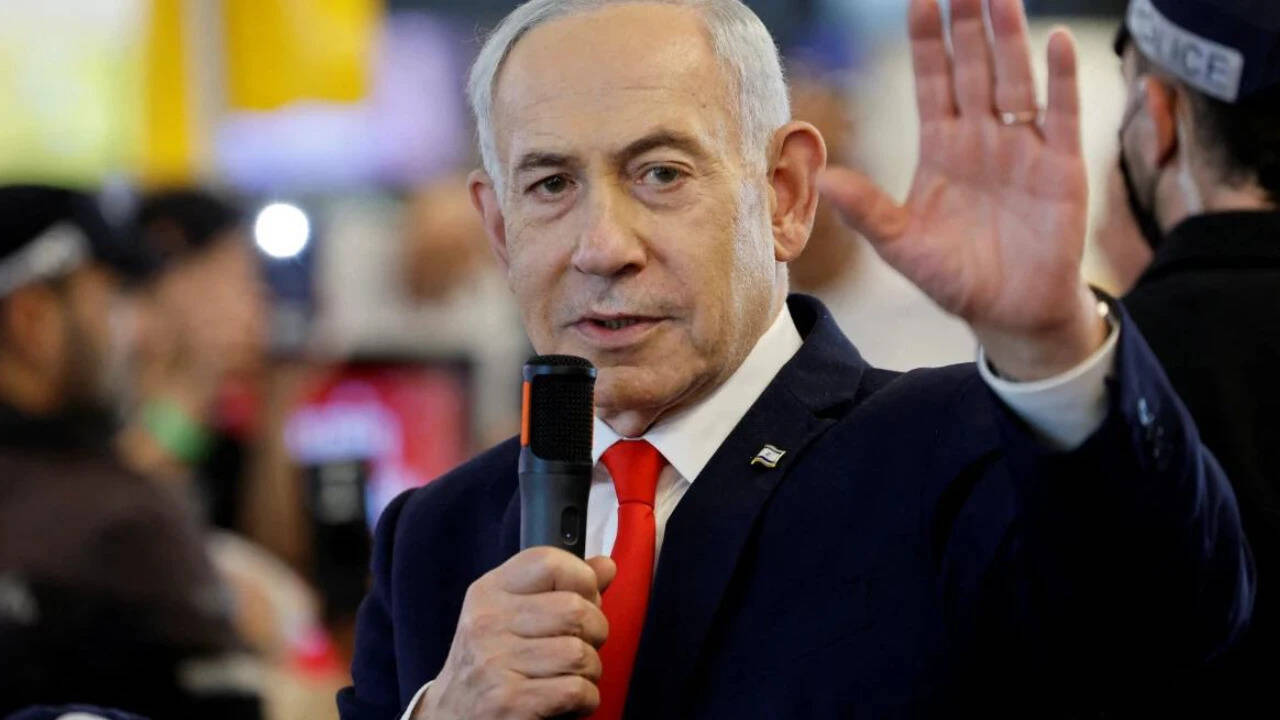
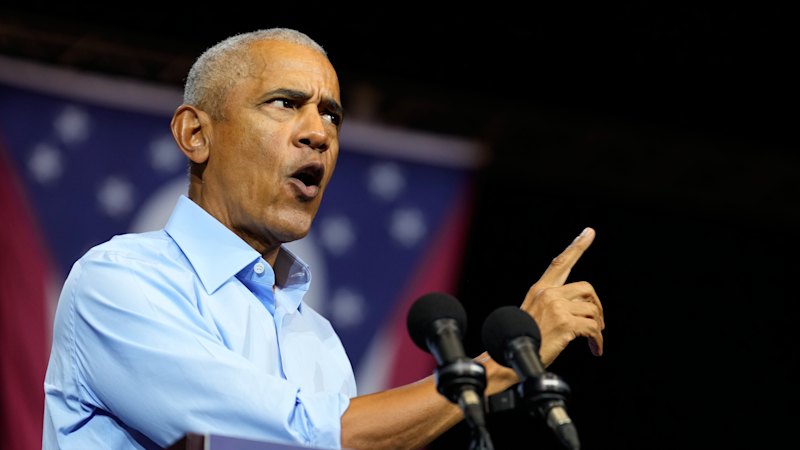
When Ukrainian President Volodymyr Zelensky publicly accused Donald Trump of spreading "totally false information" about the global energy crisis, most headlines treated it like just another political slap fight. They missed the point entirely. This clash isn't about ego or soundbites—it's about who controls the narrative on global oil, gas, and the survival of wartime economies.
If you've followed international energy markets over the last few years, you already know how fragile supply chains have become. When a major political figure makes sweeping claims about energy prices, global shortages, or who's to blame for inflation at the pump, markets react. Voters react. And leaders on the front lines of actual conflicts, like Zelensky, can't afford to let distorted narratives go unchallenged. In similar updates, take a look at: Anatomy of an Electoral Reversal Why Lula Defeated Incumbency and Geopolitical Headwinds in Brazil.
Let's break down what actually sparked this dispute, what the real energy numbers say, and why this rhetoric matters far beyond Washington and Kyiv.
Why Zelensky Called Out Trump on Global Energy Claims
The friction boils down to competing explanations for why energy markets have been so volatile. Throughout his public appearances and campaign rallies, Donald Trump has repeatedly argued that the global energy crisis—and the spike in oil and gas prices—was entirely preventable. His core argument is simple. He claims that under his administration, the United States was energy dominant, prices were low, and Russia wouldn't have dared invade Ukraine if oil had stayed around $40 a barrel. USA Today has also covered this critical issue in extensive detail.
Zelensky pushed back hard against this framing. From Kyiv's perspective, reducing a complex geopolitical and energy crisis to a single talking point ignores reality. When Zelensky stated that Trump was spreading "totally false information" regarding the global energy situation, he was pointing directly at claims that misrepresent how energy infrastructure, Russian exports, and European supply chains actually operate.
Here's the truth. Energy markets don't move on one politician's say-so.
During the full-scale invasion of Ukraine, Russia weaponized its natural gas supplies to Europe, intentionally choking off pipelines like Nord Stream 1 long before physical sabotage destroyed the lines. At the same time, Russian drone and missile strikes systematically targeted Ukraine's power grid, wiping out massive chunks of its thermal and hydroelectric generation capacity. When Zelensky hears claims that oversimplify this crisis or imply Ukraine is somehow responsible for global economic pain, he pushes back because the stakes for his country are existential.
The Real Causes Behind the Global Energy Crisis
To understand who's right here, you have to look at the timeline and the mechanics of global energy. Anyone who's worked around commodity trading or European energy policy knows that the crisis didn't start overnight, and it certainly wasn't caused by one single policy decision in Washington.
Post-Pandemic Demand Collided With Supply Cuts
Before tanks ever rolled across the Ukrainian border, global energy markets were already tightening. In 2020, lockdowns crushed oil demand, forcing producers worldwide—including American shale companies and OPEC+ nations—to slash capital expenditure and shut in wells. When economies reopened faster than expected in 2021, demand roared back. Supply couldn't keep up. Natural gas storage levels in Europe were already hitting historic lows in the autumn of 2021, months before the February 2022 invasion.
Russia Weaponized Pipeline Gas
Moscow saw Europe's tight gas market as an opportunity. Throughout late 2021, Gazprom, Russia's state-backed energy giant, stopped selling gas on the European spot market and refused to refill storage facilities it owned in Germany and Austria. By the time the war started, European benchmark gas prices (the Dutch TTF) were already trading at multiples of their historical average. When Russia cut flows further in 2022, prices skyrocketed to over €300 per megawatt-hour, triggering the worst energy shock in Europe since the 1970s.
The Global Oil Market Is Interconnected
A common myth in political debates is that the U.S. president has a magic dial on the Resolute Desk to set global oil prices. That's just not how crude oil works. Oil is priced on a global market. Even when the United States hit record-high crude oil production—surpassing 13 million barrels per day, more than any nation in history—American consumers and global buyers still faced price swings driven by OPEC+ production cuts, Middle East tensions, and shipping disruptions in the Red Sea.
How Media Narratives Distort Energy Reality
State-run outlets like PressTV, which covered Zelensky's rebuke of Trump, often highlight divisions between Western leaders and Kyiv to push their own geopolitical angles. When Iranian, Russian, or aligned state media amplify disputes between Trump and Zelensky, their goal isn't to clarify energy economics. Their goal is to portray the Western alliance as fractured, chaotic, and unreliable.
That's why reading between the lines matters so much right now.
If you only read the headline, you might think Zelensky is wading into American domestic politics just to pick a fight. In reality, Zelensky is fighting an information war on multiple fronts. If American voters and policymakers believe false narratives about how the energy crisis started—or how aid to Ukraine impacts their gas prices—support for Kyiv dries up.
Let's look at the actual numbers on U.S. energy and Ukraine aid:
- U.S. LNG exports surged directly because of Europe's break from Russian gas. American energy companies became the top suppliers of liquefied natural gas to Europe, bringing billions of dollars into the U.S. economy and supporting thousands of domestic jobs.
- Ukraine's transit role is shrinking, not expanding. Kyiv made it clear it wouldn't renew its gas transit contract with Gazprom once it expired, cutting off one of Moscow's last remaining revenue streams into Central Europe.
- Global oil prices stabilized largely through coordinated releases from the Strategic Petroleum Reserve, increased non-OPEC production (from the U.S., Brazil, Guyana, and Canada), and the G7 price cap mechanism designed to keep Russian oil flowing to global markets while limiting the Kremlin's profit margins.
None of those facts fit neatly into a 15-second campaign soundbite.
What Happens When Political Rhetoric Meets Market Reality
You might wonder whether politicians' statements about energy actually change anything on the ground. Honestly, they do—just not in the way most people think.
Words don't drill wells or build LNG terminals. However, political uncertainty freezes investment. Energy companies operate on 10- to 20-year horizons. When executives hear wildly conflicting promises—one side claiming they'll crash oil prices to $40 a barrel, another pushing aggressive regulatory shifts—boards hesitate to approve multi-billion-dollar infrastructure projects.
Worse, false narratives about the global energy crisis distract from the real vulnerabilities that still threaten global stability today:
- Grid fragility in Eastern Europe: Ukraine has lost over half of its power generation capacity to Russian strikes. Keeping the lights and heat on requires massive, ongoing deliveries of air defense systems, transformers, and decentralized power equipment.
- Shadow fleet risks: To bypass Western sanctions, Russia relies on hundreds of aging, uninsured oil tankers operating with turned-off transponders. An environmental disaster in the Baltic or Black Sea isn't a hypothetical risk—it's a ticking clock.
- Underinvestment in refining capacity: Even when crude oil is plentiful, global refining bottlenecks can cause diesel and gasoline prices to spike independently of crude prices.
When politicians reduce these complex structural issues to finger-pointing, the public ends up misinformed about why their utility bills are high and what actually needs to happen to bring them down.
How to Fact-Check Energy Claims Yourself
You don't need an economics degree to cut through political spin on global energy. Whenever you see a headline quoting a politician—whether it's Trump, Zelensky, or anyone else—making bold claims about oil, gas, or power crises, run it through a quick mental filter.
First, check the benchmark data. Look at the U.S. Energy Information Administration (EIA) or the International Energy Agency (IEA). Both publish free, transparent weekly and monthly reports on global oil production, inventory levels, and price drivers. If a politician claims production has collapsed when EIA data shows record output, you know immediately they're selling a narrative, not facts.
Second, separate crude oil from natural gas and electricity. Politicians constantly mash these together, even though they operate on completely different infrastructure and pricing models. A crisis in European natural gas doesn't automatically mean a shortage of American gasoline, though global markets do influence each other at the margins.
Third, watch the source framing. When outlets like PressTV report on Western political clashes, ask yourself what angle they're serving. Always cross-reference the exact quotes against full transcripts or direct video from the press conference before taking a headline at face value.
The clash between Zelensky and Trump over energy misinformation is a sharp reminder that in modern geopolitics, control over the story is almost as valuable as control over the pipelines. Stay skeptical of simple answers to complex global crises, verify the production data directly from independent energy agencies, and judge leaders by market realities rather than campaign rhetoric.