Most people think cardiac arrest looks like a Hollywood movie. Someone clutches their chest, groans dramatically, and collapses onto a plush carpet while an ambulance arrives two minutes later with a defibrillator ready to go.
Real life is brutal and fast.
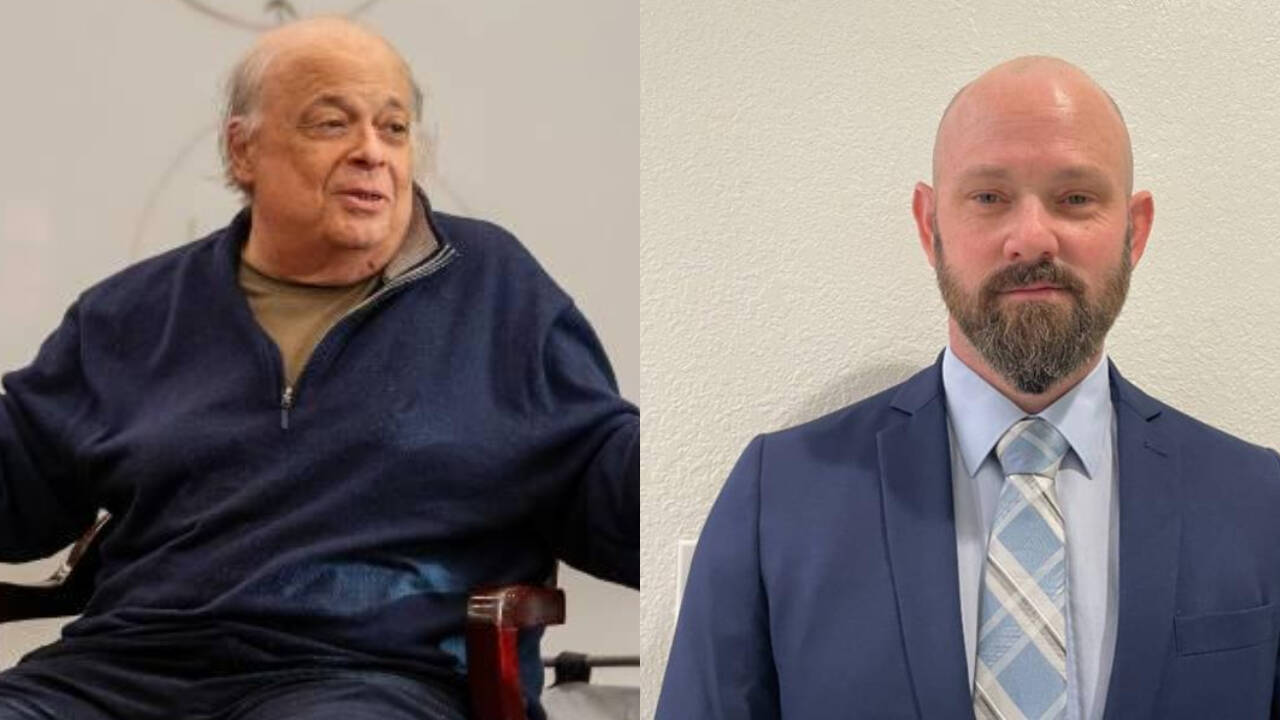
When a 73-year-old Texas law professor suffered sudden cardiac arrest and survived because a Navy SEAL student in his class stepped in to perform CPR, the story made headlines across the country. It sounds like a one-in-a-million miracle. Honestly, the fact that a trained special operations warrior happened to be sitting in the room was an incredible stroke of luck.
Everything that happened next wasn't luck at all. It was basic mechanics, cold nerve, and immediate action.
If you're waiting around for paramedics to save someone whose heart just stopped, you're already too late. Without immediate intervention, brain damage starts in four to six minutes. Death follows shortly after. The real lesson from that Texas classroom isn't that you need a Navy SEAL on your roster—it's that bystander CPR is the only bridge between sudden collapse and a hospital bed.
Why Bystander CPR Actually Works When Seconds Count
Let's clear up a massive misconception right away. CPR doesn't usually "restart" a stopped heart on its own.
People watch TV, see a medic pump a chest five times, and watch the patient gasp awake and start talking. That almost never happens in the real world. When someone goes into sudden cardiac arrest, their heart's electrical system goes haywire—often into a chaotic rhythm called ventricular fibrillation—and stops pumping blood.
Chest compressions act as an external, manual pump. You're literally squeezing the heart between the breastbone and the spine to force oxygenated blood up to the brain.
According to data from the American Heart Association, immediate CPR can double or triple a person's chance of survival after cardiac arrest. Yet fewer than half of the people who experience cardiac arrest outside a hospital receive help from a bystander before emergency crews arrive.
Why do people freeze? Fear.
They worry about breaking ribs. They worry about doing it wrong. They worry about getting sued.
Here is the blunt truth from anyone who has ever run a code or worked emergency response. If you're doing chest compressions properly on a 73-year-old adult, you might feel or hear cartilage pop or a rib crack. Keep pushing. A bruised or cracked rib heals in six weeks. Brain death is permanent.
What Makes Military Medical Training Different Under Pressure
There is a reason a Navy SEAL student reacted instantly while a room full of sharp, educated law students might have hesitated.
Special operations personnel don't just take a two-hour weekend certification course and forget about it. Under Tactical Combat Casualty Care protocols, military operators drill emergency medicine under extreme stress, loud noises, and fatigue until muscle memory takes over completely.
When someone collapses in a quiet university lecture hall, the human brain hits a wall of disbelief. Psychologists call it normalcy bias. Your brain refuses to accept that the professor who was just lecturing about constitutional law or torts is suddenly dying on the floor. You look around the room waiting for someone else to take charge.
Military training strips out that hesitation. You don't wait for permission, and you don't look around for an adult in the room. You assess the scene, check for breathing, call for someone specific to dial 911 and grab an Automated External Defibrillator, and put your hands on the center of the chest.
You don't need a military background to copy that mindset. You just need to decide ahead of time that if someone drops in front of you, you are the person stepping forward.
The Difference Between a Heart Attack and Cardiac Arrest
People use these two terms interchangeably every single day, and it causes dangerous confusion.
A heart attack is a plumbing problem. Blood flow to a part of the heart muscle gets blocked, usually by a clot or plaque buildup. The person is usually awake, talking, sweating, and complaining of chest pressure or pain radiating down an arm or up into the jaw. Their heart is still beating. They need a hospital immediately, not chest compressions.
Sudden cardiac arrest is an electrical problem. The heart malfunctions and stops beating effectively without warning. The person loses consciousness instantly, stops breathing normally, and has no pulse.
Sometimes a severe heart attack triggers cardiac arrest, which is why the two get tangled up in conversation. Knowing the difference keeps you from hesitating when someone goes down. If they are unresponsive and not breathing normally—or only making strange, gasping noises called agonal breaths—their heart isn't circulating blood. Start compressions right away.
How Hands-Only CPR Removed the Biggest Excuse
For decades, public CPR guidelines required bystanders to alternate between thirty chest compressions and two mouth-to-mouth rescue breaths.
That requirement killed survival rates.
Strangers didn't want to put their mouths on a stranger's mouth, especially if the person had vomited or was bleeding. Even worse, stopping chest compressions to fumble with airway tilts and rescue breaths caused blood pressure in the arteries to plummet. Every time you pause compressions, it takes several pumps just to build that pressure back up.
In 2008, the American Heart Association officially updated its guidelines to recommend Hands-Only CPR for teens and adults who suddenly collapse outside a hospital setting.
Research showed that during the first several minutes of sudden cardiac arrest, the blood already inside the victim's lungs and bloodstream contains enough oxygen to keep vital organs alive—provided someone keeps that blood moving.
Skipping the breaths makes the process dead simple:
- Check responsiveness and call 911. Tap the person hard on the shoulder and shout. If they don't respond and aren't breathing normally, point directly at someone nearby and tell them to call 911 and find an AED. Pointing matters—if you yell "Somebody call 911," everyone assumes someone else is doing it.
- Get into position. Kneel beside the person on a firm, flat surface. Place the heel of one hand right in the center of their chest on the lower half of the breastbone. Put your other hand on top and interlock your fingers.
- Push hard and fast. Keep your arms straight, lock your elbows, and use your body weight to push straight down at least two inches deep. Let the chest recoil completely between pushes so the heart can refill with blood.
- Keep the rhythm. Aim for 100 to 120 compressions per minute. The classic benchmark is the beat of the Bee Gees song "Stayin' Alive" or "Walk the Line" by Johnny Cash. Don't stop until paramedics take over, an AED arrives and tells you to stand clear, or the person shows obvious signs of life.
Why AEDs Are the Missing Half of the Equation
Chest compressions buy time, but an Automated External Defibrillator is what actually fixes the electrical chaos.
Every single minute that passes without defibrillation drops the odds of survival by roughly 7 to 10 percent. Universities, airports, gyms, and corporate buildings across the United States stock AEDs on the walls for this exact reason.
Many bystanders are terrified to touch an AED because they think they might accidentally shock someone who doesn't need it.
You literally cannot make that mistake with a modern public AED. Once you turn it on and stick the adhesive pads onto the person's bare chest, the machine's internal computer analyzes the heart's electrical rhythm. If the heart doesn't have a shockable rhythm, the device will refuse to deliver a charge—even if you mash the shock button repeatedly.
It talks to you in a calm voice, step by step, from the second you open the lid.
Common Mistakes That Ruin Good Intentions
Even people who step up to help often make small mechanical errors that cut the effectiveness of CPR in half. Knowing these ahead of time fixes them immediately.
- Pushing too softly. People are naturally hesitant to press down two full inches on another human being's chest. Shallow compressions don't squeeze the heart enough to push blood up into the brain. Put your shoulders directly over your hands and use your upper body weight, not just your arm muscles.
- Leaning on the chest between pumps. If you keep downward pressure on the ribs on the upstroke, the heart chambers can't expand and refill with fresh blood. Come all the way up until your hands are resting lightly on the skin before pushing down again.
- Trying to do it on a soft bed or couch. If someone collapses on a mattress, pushing on their chest just pushes the whole body down into the springs. Drag them onto the floor first. It takes five seconds and makes every compression count.
- Quitting too early. Effective CPR is physically exhausting. After two minutes of continuous compressions at 110 beats per minute, your arms will burn and your depth will drop off. If another person is nearby, switch roles every two minutes with less than a five-second pause.
What You Should Do Today
Reading an article about a Texas law professor surviving a classroom emergency feels inspiring for about ten minutes, and then life moves on. Don't let it stay just another feel-good headline.
Walk through the buildings you spend time in every week—your office, your gym, your church, your kid's school—and actually look for the AED boxes mounted on the walls. Notice where they are before an emergency happens so you aren't sprinting down random hallways guessing which way to turn.
Take sixty seconds right now to look up a local Red Cross or American Heart Association Hands-Only CPR class in your city, or watch a two-minute official demonstration video so you can see proper hand placement and compression depth in action. When someone's heart stops in front of you, you won't rise to the occasion—you'll fall back on whatever you practiced beforehand.