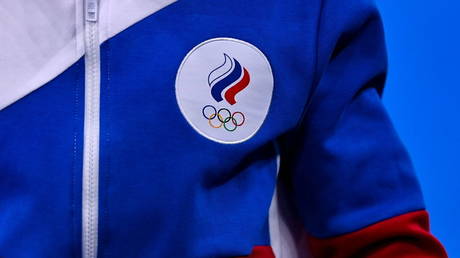
The International Olympic Committee just made a move that caught the entire sports world off guard. By provisionally lifting Russia's Olympic suspension, the executive board effectively rolled out the red carpet for Russian teams to fight for their spots at the Los Angeles 2028 Games. If you think this means the political drama is over, you're dead wrong. It's actually just getting started.
People are scrambling to figure out what this decision means for international sport, the athletes, and the massive geopolitical chess game happening behind the scenes. This isn't just about letting athletes run, swim, or jump. It's a fundamental shift in how global sports bodies handle international conflict and state accountability.
The Real Story Behind Russia's Olympic Suspension
To understand why this matters right now, you have to look at why the ban happened in the first place. Back in October 2023, the IOC froze the Russian Olympic Committee. The reason wasn't just the ongoing war. It was because Moscow went ahead and swallowed up regional sports organizations in occupied Ukrainian territories like Luhansk, Donetsk, Kherson, and Zaporizhzhia. That was a direct violation of the Olympic Charter and an insult to Ukraine's territorial integrity.
Fast forward to today. The IOC Legal Affairs Commission completed a quiet review and claimed the Russian Olympic Committee cleared out those regional bodies from its membership roster. Moscow even promised it wouldn't do business in those disputed territories. Because of that paperwork shuffle, the IOC decided the terms of that specific suspension no longer apply.
But don't think for a second that Russia is getting a completely free pass. IOC President Kirsty Coventry made it clear that the organization wants to stop punishing athletes for the actions of their governments. The committee is shifting its stance, trying to separate the politicians from the people in tracksuits. It's a nice sentiment, but it's causing a massive uproar.
The Fine Print Moscow Doesn't Want to Talk About
Russian Sports Minister Mikhail Degtyarev wasted no time celebrating, calling the decision a green light for international federations to reinstate Russian national teams. He's already talking about Russia hosting major global tournaments again. But he's glossing over some massive roadblocks.
The IOC lifted the blanket suspension on the committee, but they didn't hand back the flag or the anthem. The decision on whether Russian athletes can wear their national colors or hear their national song in Los Angeles is still completely up in the air. The IOC says they'll deal with that when the time is right.
Then there's the massive issue of doping. Let's not forget that Russia has been in the sports penalty box since the 2014 Sochi Winter Games because of state-sponsored cheating. The World Anti-Doping Agency still considers the Russian Anti-Doping Agency non-compliant. To even step foot on a qualification field for 2028, Russian athletes will have to go through intense, independent drug testing run by the International Testing Agency. If their local agency is still banned by 2028, the testing rules get even tighter.
A Furious Global Backlash
Not everyone is buying the narrative of peace through sport. The reaction from Western governments and athlete advocacy groups was swift and brutal.
UK Culture Secretary Lisa Nandy didn't hold back, stating she was utterly appalled by the decision. Her stance represents a huge chunk of international opinion. The argument is simple: you can't pretend things are normal while a full-scale military conflict is happening. Allowing representation from a state that ignores international law rubs plenty of people the wrong way.
Advocacy groups are equally angry. Rob Koehler, the head of Global Athlete, accused the IOC of lowering its own standards for accountability. He argues that welcoming Russia back into the fold ignores both the war and the legacy of institutionalized doping. It sets a messy precedent for any future global conflicts.
What Happens Next on the Road to Los Angeles
The qualification windows for the Los Angeles 2028 Games are already starting. Individual international sports federations—like World Athletics or World Aquatics—now have to make their own choices. The IOC cleared the path, but individual sports bodies still hold the power to set their own timelines and rules for letting Russian teams back on the field.
If you're tracking how this plays out, watch the upcoming 2026 Youth Summer Games in Dakar this October. That will be the first major testing ground for how these new rules work in real life.
Keep a close eye on the anti-doping testing pools over the next twelve months. Watch whether governing bodies for individual sports drag their feet or fast-track Russian entries. The administrative battle inside sports federations will determine exactly who shows up in California in 2028.