Two people in Michigan recently died from a microscopic intestinal bug, turning a massive food safety scare into a tragic reality check. We are looking at the first confirmed U.S. deaths tied to a widespread cyclosporiasis outbreak. State health officials confirmed the fatalities on a Monday, noting that both individuals had serious underlying health conditions that collided catastrophically with severe dehydration.
If you have been tracking the news, you know Michigan is sitting at the epicenter of a massive public health crisis. The Michigan Department of Health and Human Services reported over 11,200 outbreak-linked cases. Nearly 200 people have checked into hospitals. Numbers like that grab your attention. But what is actually happening on the ground, and why are people panicking over a salad? Let's break it down without the corporate medical fluff.
Understanding the Parasite Behind the Panic
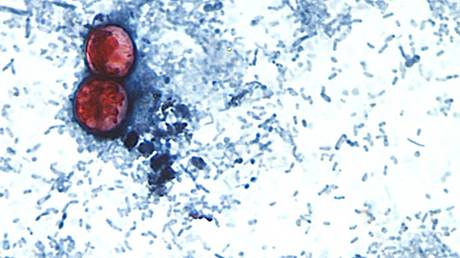
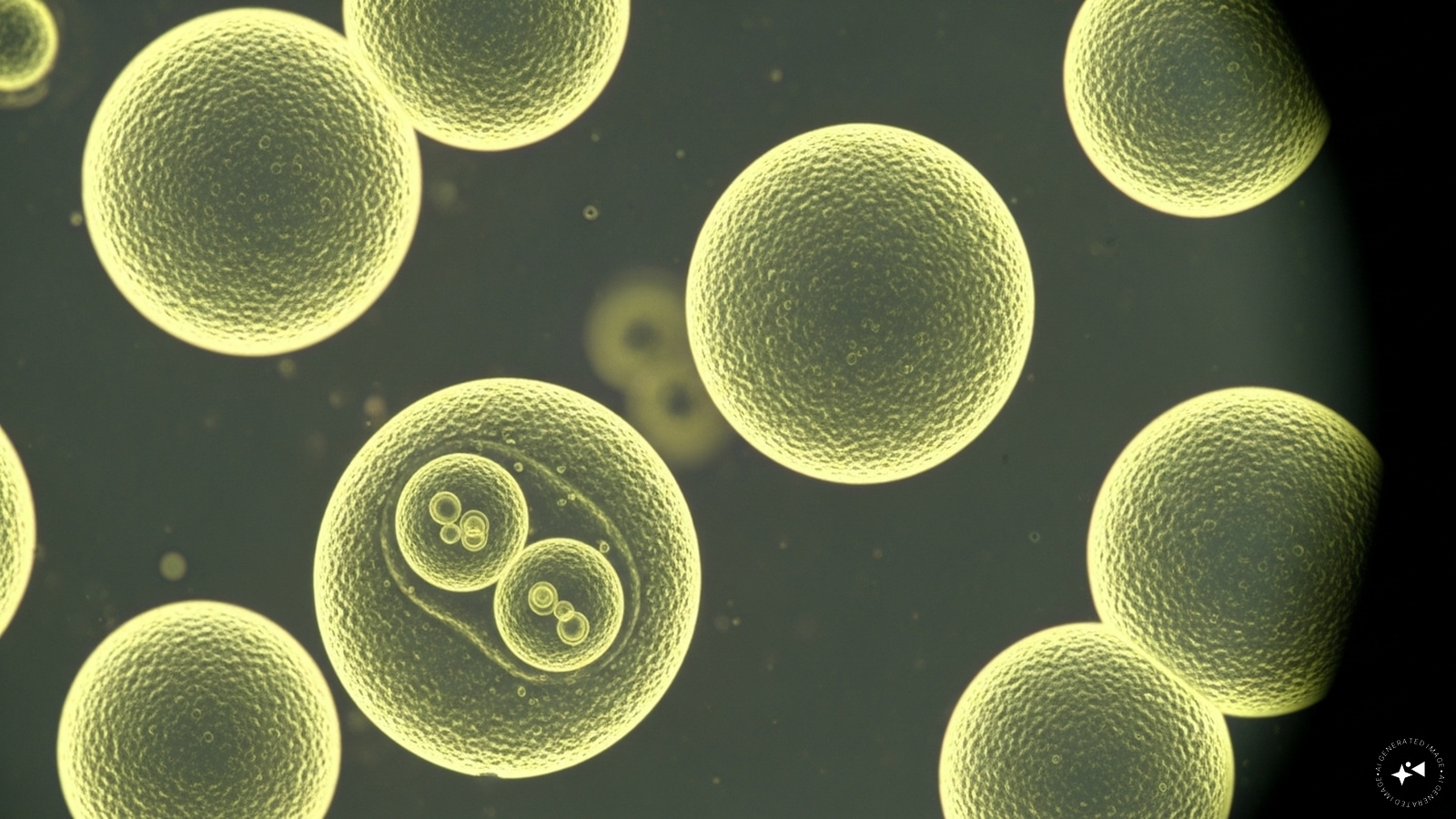
The culprit here is Cyclospora cayetanensis. It is a single-celled parasite that loves warm weather and wreaks havoc on your small intestine. You don't catch it by standing too close to someone coughing. It travels exclusively through fecal-oral routes, usually hitching a ride on fresh produce that was watered or handled in contaminated conditions.
Think about that the next time you blindly trust a pre-packaged salad bag.
Federal investigators tracing the broader multi-state outbreak have pointed fingers at iceberg lettuce imported from central Mexico and distributed by Taylor Farms. Portions of this contaminated supply ended up in restaurants, including major chains like Taco Bell across several states.
Symptoms don't show up immediately. It usually takes about a week after ingestion for the misery to begin. When it hits, it hits hard.
The Symptoms Everyone Tries to Ignore
Most people write off mild stomach trouble as a bad burrito or minor food poisoning. Cyclosporiasis behaves differently. It brings an aggressive wave of symptoms that can linger for weeks if doctors do not prescribe the right antibiotics.
Watch out for these warning signs:
- Explosive, watery bowel movements
- Persistent stomach cramps and bloating
- Uncontrollable nausea and fatigue
- Sudden loss of appetite and rapid weight loss
The real danger isn't the bug itself. It's the fluid loss. When you are visiting the bathroom dozens of times a day, severe dehydration sets in fast. For healthy adults, it is miserable but manageable. For older populations or people with compromised immune systems, it turns deadly. That is precisely what happened in Michigan.
Why Washing Your Lettuce Won't Save You
Here is a hard truth that food safety experts hate admitting publicly: rinsing your greens under the kitchen tap does very little to protect you from Cyclospora.
This parasite is tough. Standard chlorine washes, cold water, and ordinary home cleaning habits often fail to dislodge or kill it. The microscopic oocysts cling tightly to the rough surfaces of leafy greens like iceberg lettuce, cilantro, and basil. Unless you are cooking the food thoroughly at high heat, eating raw produce during an active outbreak is always a gamble.
Public confidence has cratered. Recent consumer polls show that nearly forty percent of shoppers are actively cutting fresh greens out of their grocery carts. People are scared. And honestly? Can you blame them? When thousands of infections pop up across multiple states, routine grocery shopping starts to feel like Russian roulette.
What You Should Do Right Now
Stop guessing and start paying attention to active food recalls. If federal agencies or state departments issue an advisory about specific produce brands or restaurant suppliers in your region, take it seriously. Do not gamble on a bag of salad just because you already paid for it. Toss it out.
If you develop prolonged watery diarrhea, cramping, and exhaustion after eating fresh restaurant meals or packaged greens, call a doctor. Do not wait for it to clear up on its own. Cyclospora requires a specific antibiotic course—usually trimethoprim-sulfamethoxazole—because standard anti-diarrheal over-the-counter medications won't kill the parasite.
Stay vigilant, keep your rehydration salts handy if you travel, and think twice about your raw salad choices until public health authorities declare the supply chain clean.