The headlines make it sound like a sudden breakdown. If you glance at the news right now, you see a glaring contradiction: the UN nuclear watchdog says its inspectors are headed to Iran, while Iranian diplomats flatly insist nobody is getting in until a final deal is signed with Washington.
It looks like a mess. But if you have tracked how Washington and Tehran actually negotiate, you know this public bickering isn't a failure. It's the strategy.
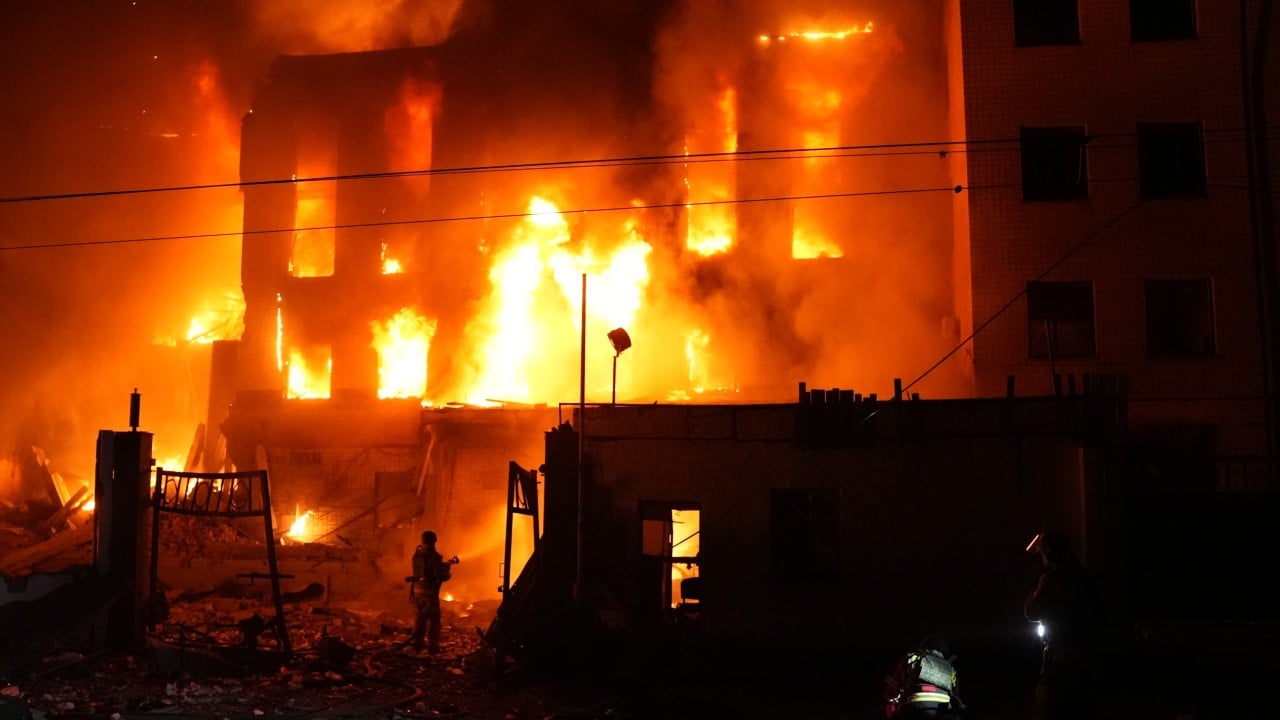
Right now, we are in the opening days of a high-stakes, 60-day clock triggered by a newly signed interim Memorandum of Understanding (MoU). Mediated by Pakistan and Qatar, this deal halted a brutal military conflict that flared up after Israel and the US struck Iranian facilities last year. Now, the real fight is over the fine print.
What the public narrative misses is that both sides are performing for audiences back home. International Atomic Energy Agency (IAEA) chief Rafael Grossi spoke from Japan, asserting that the signed accord explicitly places nuclear facilities under IAEA supervision. Meanwhile, Iranian Deputy Foreign Minister Kazem Gharibabadi shot back on social media, claiming no inspections will happen at compromised atomic sites without a complete lifting of US sanctions.
They are both technically right, and that's exactly why the situation is so volatile.
The Friction Over the 60-Day Clock
The interim deal achieved what months of backchannel talks couldn't: it paused the fighting, secured a temporary 60-day US Treasury waiver on Iranian oil exports, and reopened the Strait of Hormuz to toll-free traffic. In exchange, Iran agreed on paper to "downblend" its highly enriched uranium stockpile—which experts believe is large enough to build up to 10 nuclear weapons if pushed to 90% purity.
But agreeing to dilute uranium is different from letting foreign teams walk through your front door to verify it.
The core of the dispute rests on sequence. The US and the IAEA view inspections as a prerequisite. They want boots on the ground immediately to establish a baseline. You can't verify downblending if you don't know exactly what the starting volume is.
Tehran sees it through a lens of extreme suspicion. Last year's airstrikes devastated several of their primary enrichment sites. Letting inspectors into those specific facilities right now means giving Western intelligence a clear map of the damage, what survived, and how Iran restructured its equipment. Gharibabadi’s defiance isn't just stubbornness; it's a defensive military stall. Iran wants the permanent lifting of banking restrictions and the full return of $24 billion in frozen overseas assets before they hand over the keys to those sensitive areas.
Public Posturing vs Private Reality
While diplomats use words like "media hype" and "trash talk" to describe each other's press conferences, technical teams are quietly checking into resorts in Switzerland to do the actual work.
The public bluster serves a vital political purpose for both administrations.
- The US Position: The White House must project absolute dominance. President Trump and Vice President JD Vance need to assure a skeptical Congress and regional allies—especially a highly alarmed Israel—that the US didn't soften its stance. Trump went as far as warning he would cancel future meetings entirely if inspectors are blocked.
- The Iranian Position: The Iranian negotiating team, led by parliamentary speaker Mohammad Bagher Ghalibabadi, faces intense domestic pressure from hardliners who view any compliance as a surrender. Calling the interim deal "America's declaration of defeat" helps them sell the oil sanctions waiver to their public without looking weak.
The real danger here isn't the political theater. It's the fragile regional backdrop.
This entire 60-day negotiating window relies heavily on a parallel "deconfliction" mechanism designed to maintain a ceasefire in Lebanon. Iran has made it clear that if Israeli operations in Lebanon surge again, the entire nuclear memorandum falls apart. Add in a dispute over whether Iran will try to resume collecting transit fees from ships in the Strait of Hormuz, and you have a diplomatic minefield where one misstep can trigger a return to open warfare.
The Reality of What Happens Next
If you are trying to understand where this crisis goes next, ignore the daily shouting matches on social media and look at the concrete markers. The public posturing will continue because neither side can afford to look like they blinked first. The real test of this deal relies on three specific milestones over the next few weeks:
- The Swiss Technical Talks: Watch for updates from the upcoming technical-level meetings in Switzerland. If the US and Iranian teams stay at the table to hammer out the specific, intrusive mandate of the IAEA inspectors, the deal is alive—regardless of what the politicians claim on television.
- The Sanctions Flow: Keep an eye on the mechanics of the US oil waiver. If Iranian central banks successfully process payments from buyers in China without facing secondary US penalties, Tehran keeps its primary financial incentive to stay compliant.
- The Logistics of the Stockpile: The IAEA needs to confirm that the physical process of downblending has begun, even if it happens under limited observation initially.
Don't expect a sudden breakthrough where Iran throws its doors wide open tomorrow morning. The process will be slow, incremental, and incredibly tense. But as long as the technical teams are talking behind closed doors, the public friction is just part of the price of admission.
For a closer look at how these conflicting diplomatic narratives are playing out on the ground, you can watch this analysis on the US and Iran conflicting messages on nuclear inspection plans, which breaks down the public statements from both sides following the interim agreement.